Aug 18, 2026

Where Technology Meets Field Expertise: The Real Formula Behind BOP Reliability

Where Technology Meets Field Expertise: The Real Formula Behind BOP Reliability

Faster detection. Sharper judgment. Neither works at its best without the other.

Digital tools have transformed how operators track BOP performance — and the results are real: faster testing, fewer manual interventions, and visibility into system health that simply didn't exist a decade ago. This blog looks at how Aquila combines that technology with field-proven engineering to deliver a level of reliability neither could reach alone.

blog card

In this blog...

we'll explore how digital BOP testing has accelerated offshore operations, how real-time monitoring sharpens the decisions engineers make, and how Aquila pairs the two to protect well integrity from surface to subsea.

1. The Rise of Digital BOP Testing

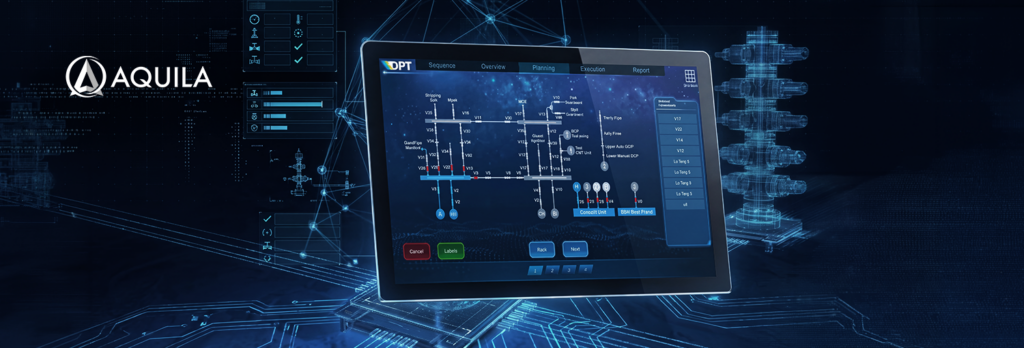
Over the past decade, digital BOP testing software has replaced much of the manual, paper-based process that once defined well control verification. Circular chart for pressure testing recorders — long the industry standard — are giving way to remote digital pressure testing, which captures BOP test data electronically and validates it against API Standard 53 BOP testing requirements in real time.

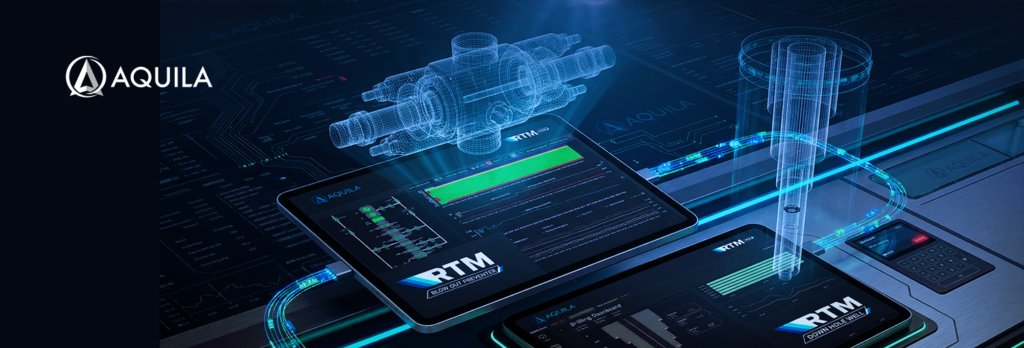
Real-time monitoring systems now give BOP engineering teams continuous visibility into critical parameters:

  • BOP pressure testing results, logged and tracked automatically
  • BOP drawdown test data, showing how quickly hydraulic pressure decreases
  • BOP tracking across function tests, maintenance status, and OEM communications

The impact is measurable. Digital BOP testing efficiency means shorter test cycles, faster leak detection, and a full digital record ready for audit — work that used to take hours now happens in real time.
2. Why Speed and Judgment Both Matter

Technology's job is to get engineers to the answer faster. A well integrity software platform can surface an anomaly the moment it appears — a shift in BOP test data analysis, an unexpected reading in a BOP pressure test procedure — long before a scheduled check would have caught it.

That speed is what makes the next step possible. With the data already flagged and quantified, Aquila's engineers can move straight to the decision that matters:

  • Confirming whether a pressure shift points to an early leak signature
  • Identifying which BOP components are most exposed under current operating conditions
  • Deciding, in real time, whether to act immediately or monitor through the next window

Technology narrows down where to look. Field experience determines what it means — and the two happen almost simultaneously, not in sequence.

3. How Aquila Puts Both to Work

This is the model Aquila's field engineers operate on every day: real-time monitoring data paired with decades of hands-on subsea and well control experience, working together rather than one compensating for the other.

When BOP test data analysis surfaces a shift, the system has already done the heavy lifting — isolating the signal — so the engineer can focus entirely on diagnosis and response. It's this combination — digital BOP assurance accelerating detection, field expertise sharpening every call — that has allowed our teams to catch failures other monitoring setups would have missed, and resolve them before the BOP is even deployed subsea.

Conclusion

Digital BOP testing and real-time monitoring haven't just made offshore operations more transparent — they've made expert judgment faster and more precise. The operators who stay safest won't be choosing between technology and experience. They'll be the ones who never separated the two.

Let's Chat