

Real-time intelligence that turns pressure data into action.

Flowback Analysis

Early Kick Detection

Adaptive Alarms for Downhole

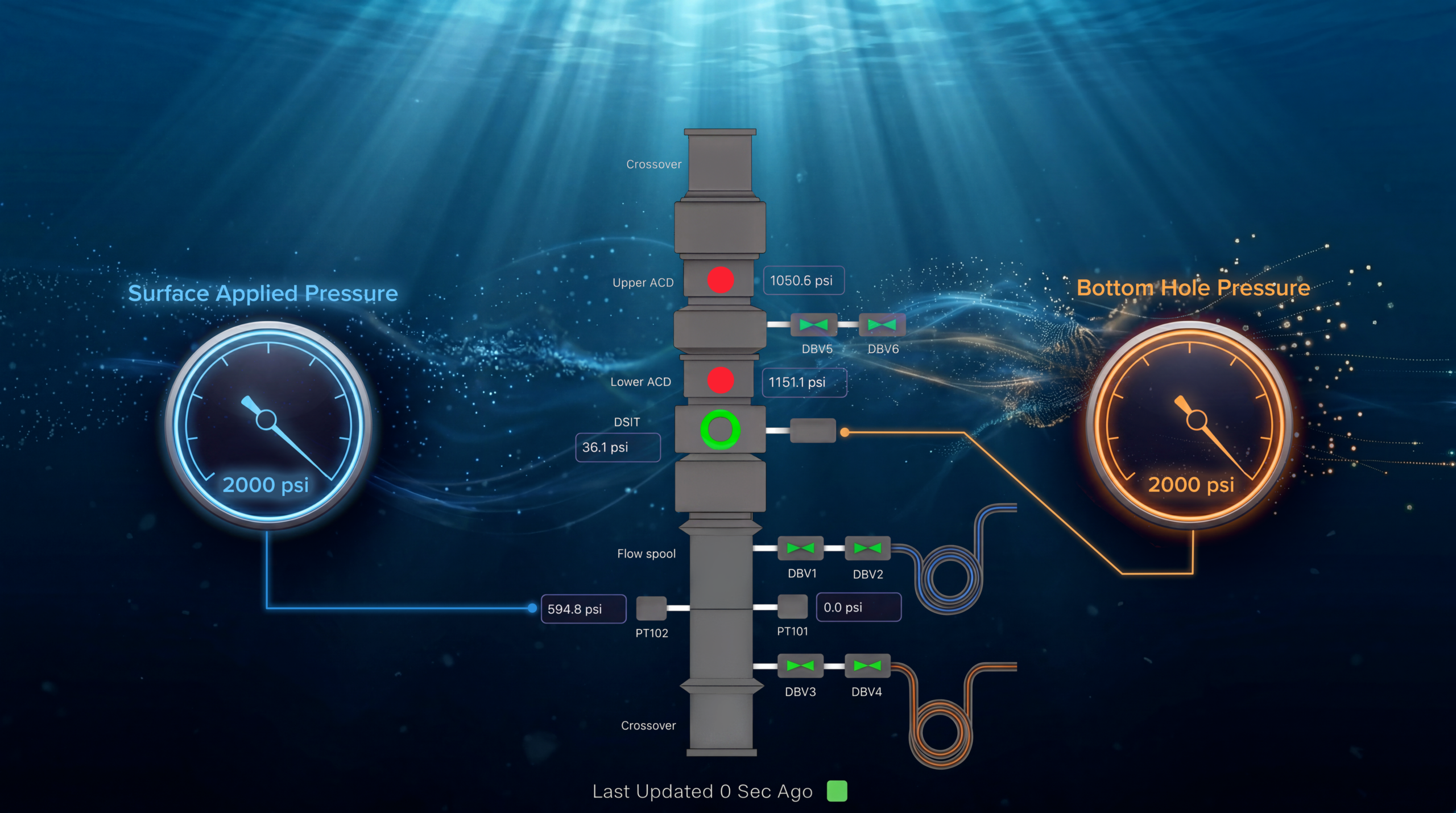

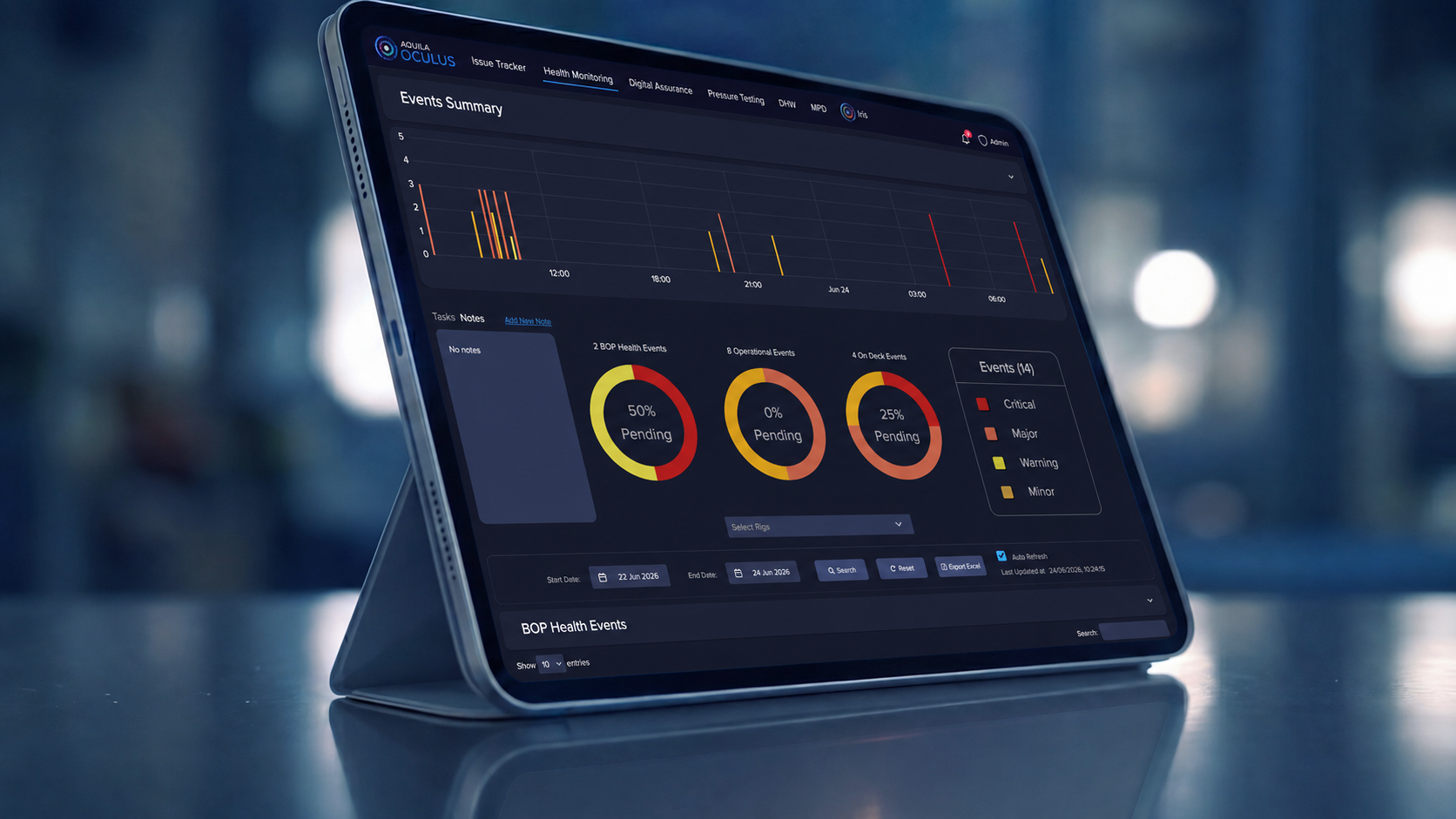
Continuously tracks bottomhole pressure against the operating window to ensure safe, stable well control at all times.
Identifies early signs of kicks or losses through real-time flow and pressure anomalies, enabling faster response.
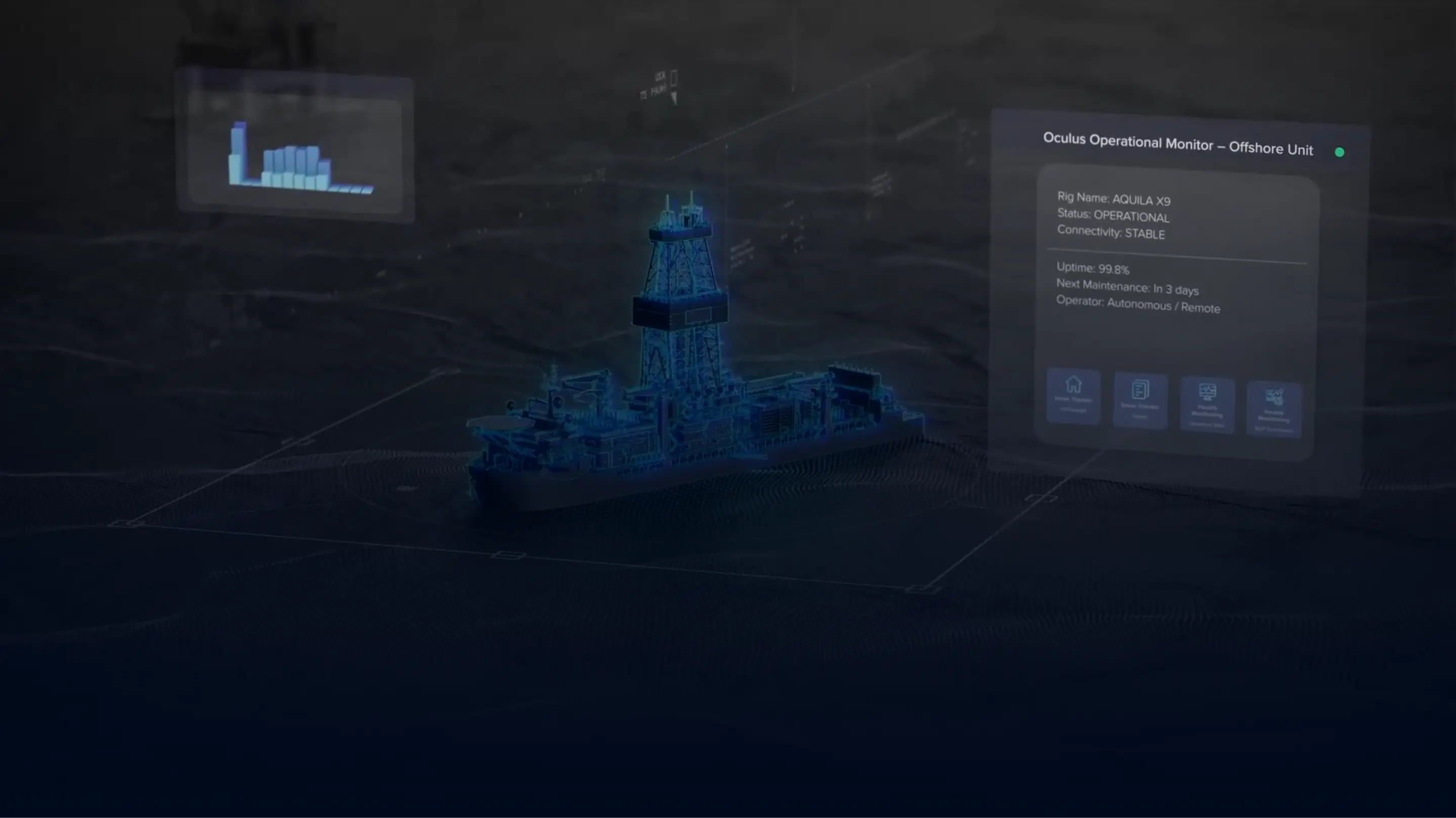
Monitors flow in/out and choke response to maintain precise pressure control and system stability.
Tracks and stabilizes pressure during connections to prevent pressure drops and potential well control events.
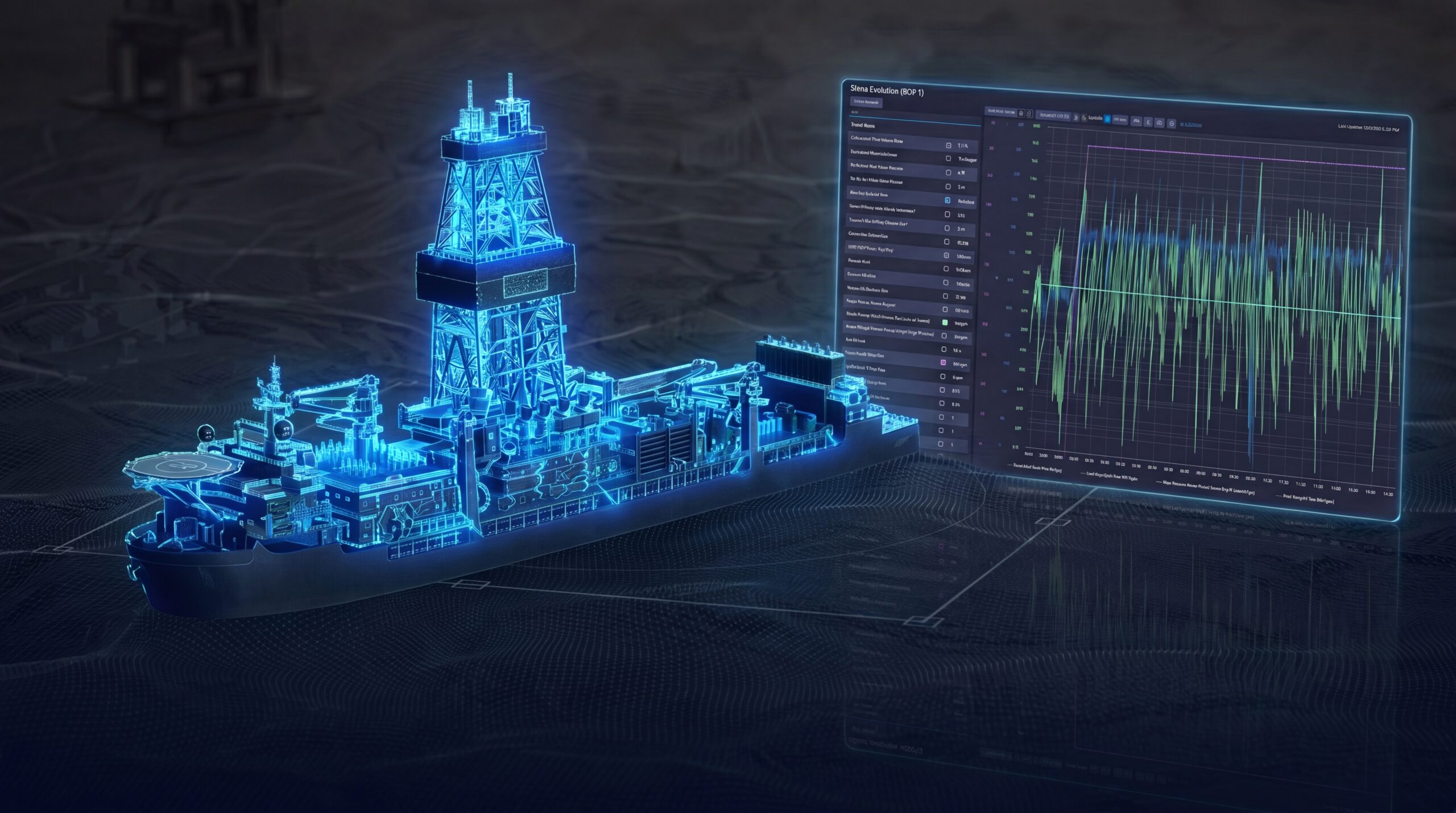
Continuously assesses MPD system health and performance to ensure consistent, dependable pressure control operations.

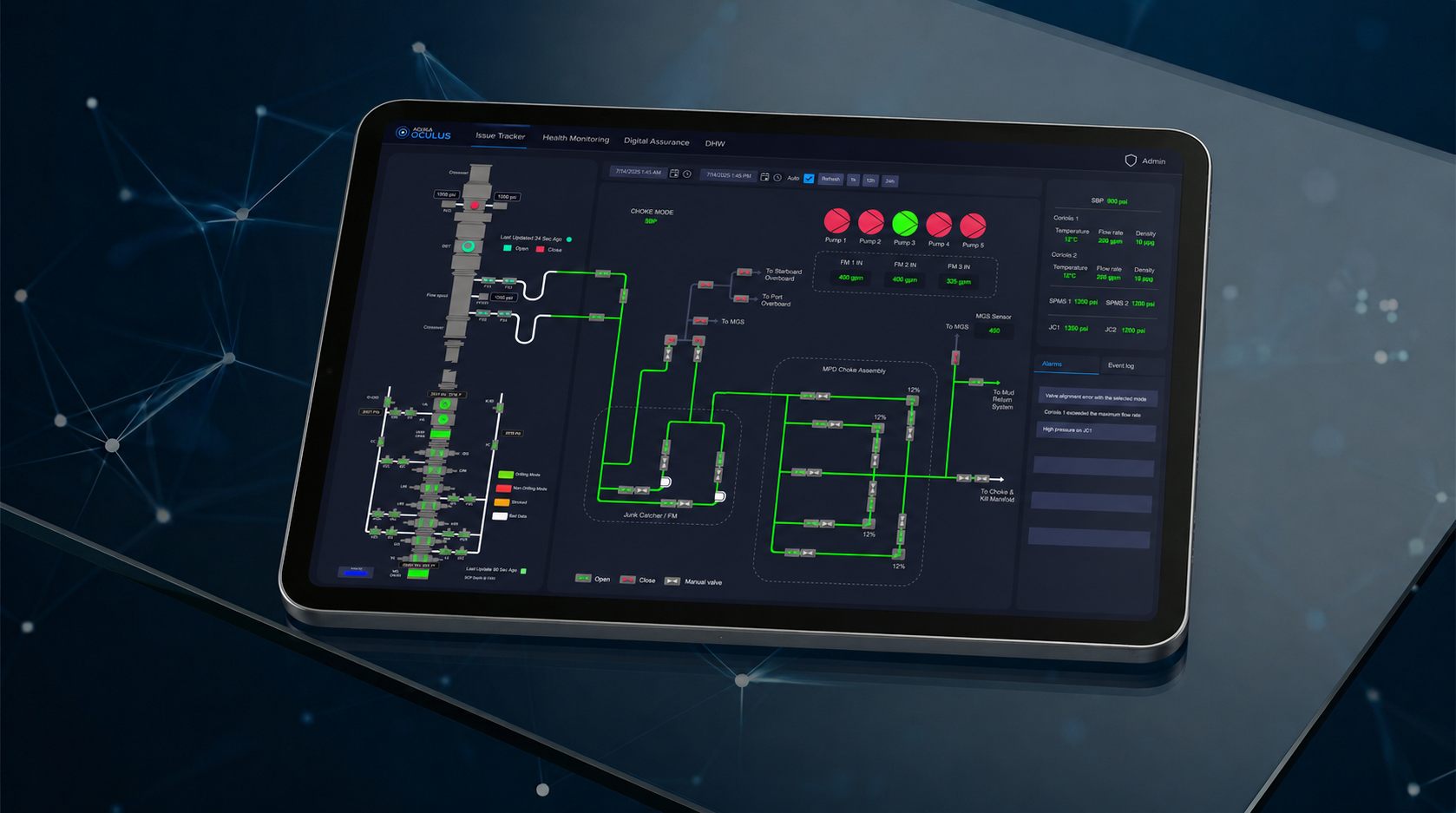
Our system captures the full MPD signal envelope in real time — surface back pressure, choke position, flow path status, connection events, and bit on/off-bottom transitions integrated with BOP and drilling data into a single operational view.

Predictive models evaluate SBP trends, flowback signatures, and connection pressure behavior to distinguish between normal ballooning and genuine formation influx — reducing the risk of misclassified events and improving reaction time to well control precursors.

Drilling engineers and MPD specialists receive adaptive alarms calibrated to actual downhole conditions — not static thresholds — with full flow path schematics, connection detection logs, and historical data accessible from the RTOC or rig floor at any time

See how Aquila's MPD surveillance platform supports well control assurance

Aquila continuously monitors surface back pressure, controlled mud line behavior, and connection flowback patterns at the resolution MPD operations demand — capturing the subtle pressure and flow signals that precede identifiable kick events.
Smart analytical models cross-reference SBP trends, flowback decay curves, and connection signatures against well-specific baselines — surfacing influx precursors and distinguishing formation response from routine ballooning without generating unnecessary alarm fatigue.
Well control teams and MPD engineers receive early, contextualized alerts — with enough lead time to adjust choke position, notify the RTOC, or initiate response procedures before the event develops into a well control situation.
Explore Aquila's connection signature and flowback analysis
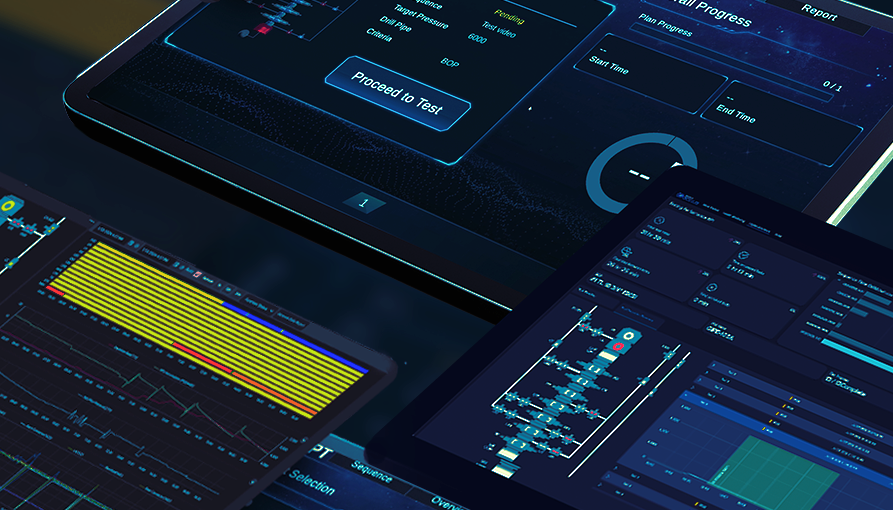
Capture Aquila's DPT module automatically detects MPD joint and manifold pressure test conditions — initiating validation as test requirements are met, without relying on manual intervention to start or confirm the process.
Analyze AI-driven validation models verify test performance against API standards and operator-defined criteria — flagging deviations, confirming pass/fail status, and generating complete, timestamped records instantly at test completion.
Operations teams and compliance coordinators receive standardized test reports with all relevant parameters — reducing human error, simplifying audit readiness, and building a defensible pressure test history across every MPD intervention.
Learn how DPT supports MPD compliance and regulatory reporting
Dynamic alarm system that adjusts to real-time downhole conditions, minimizing false alarms while ensuring critical events are identified early.
Continuously evaluates choke response, pressure stability, and system performance to ensure reliable and consistent MPD operations.
Automates and standardizes pressure test data for MPD equipment, improving accuracy, traceability, and compliance with operational requirements.