
 DPT 1.0
DPT 2.0
DPT 1.0
DPT 2.0
Reliable testing, safer processes, and smarter operation

Accurate, reliable testing

Improves process safety
Easy-to-use interface
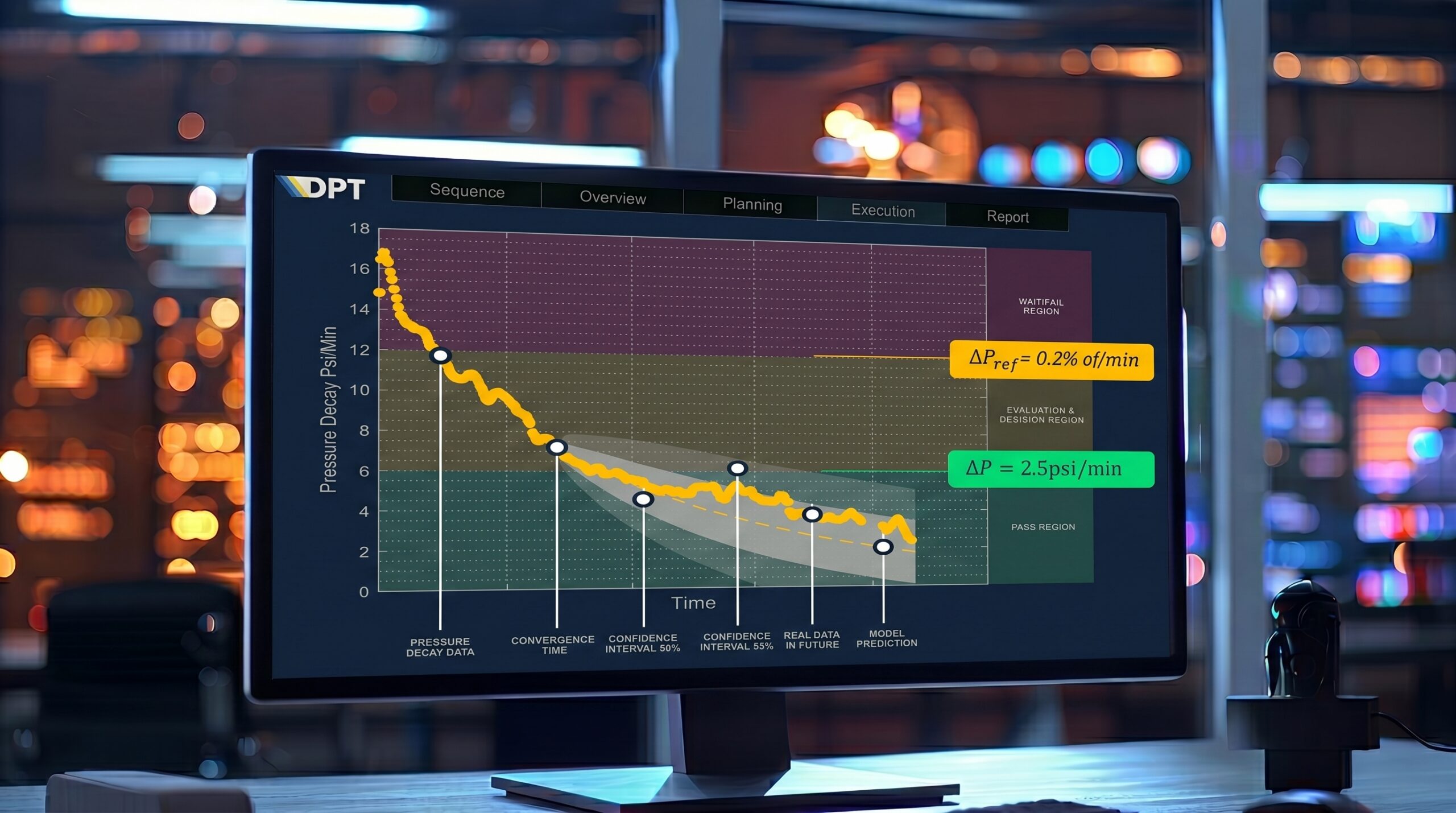

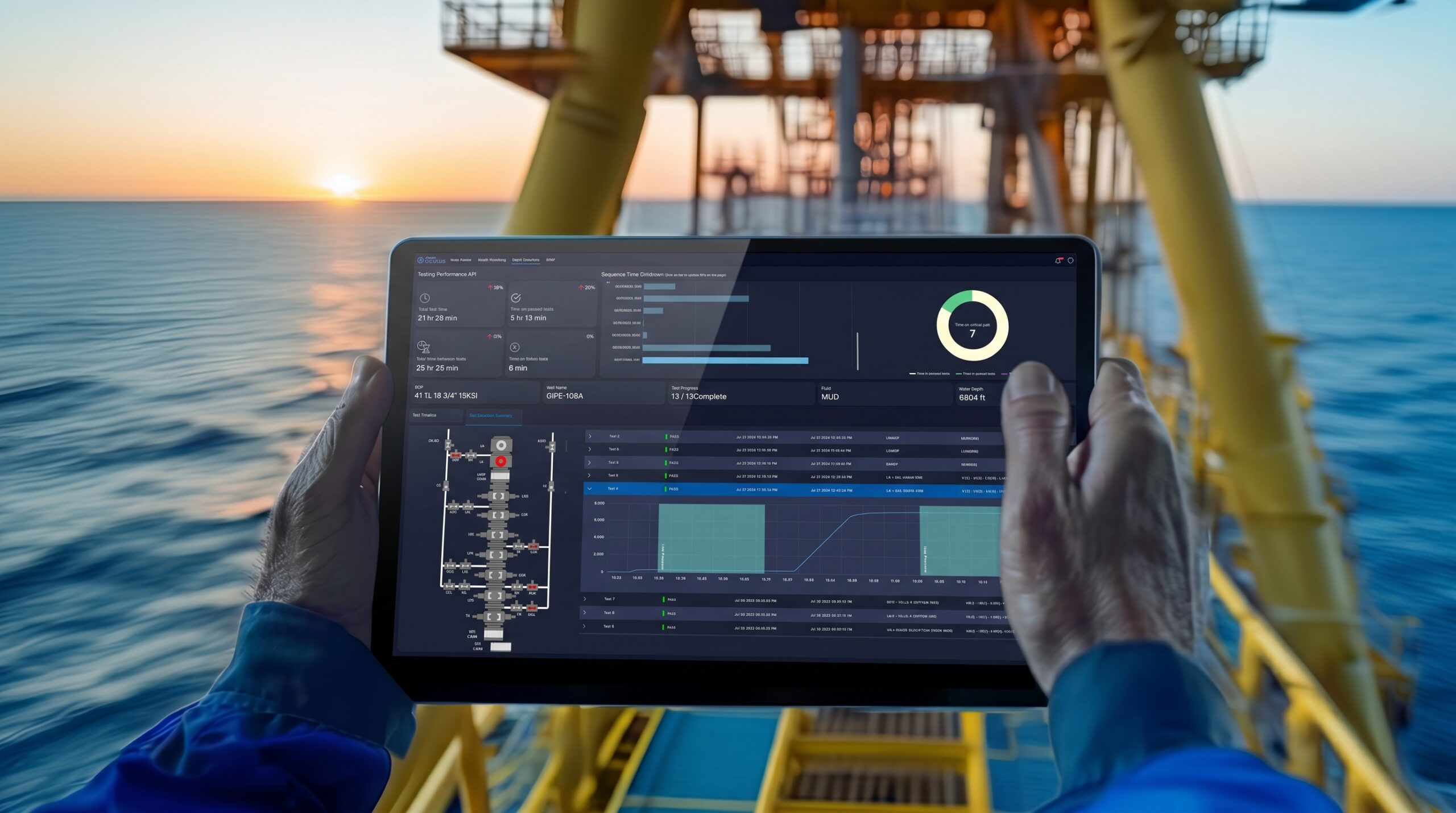
Detects test requirements and initiates validation automatically
Uses AI algorithms to verify tests based on criteria or historical performance
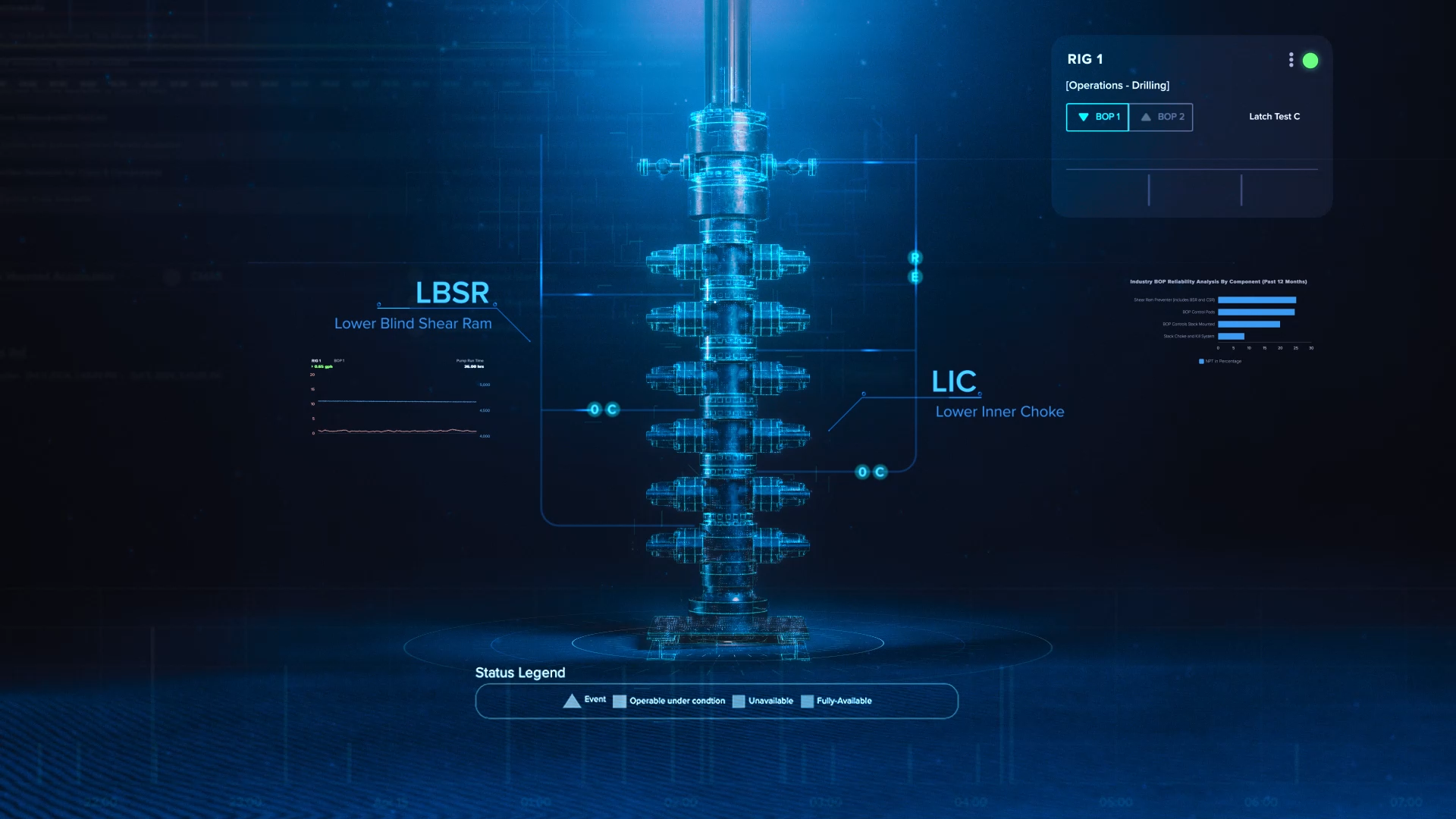
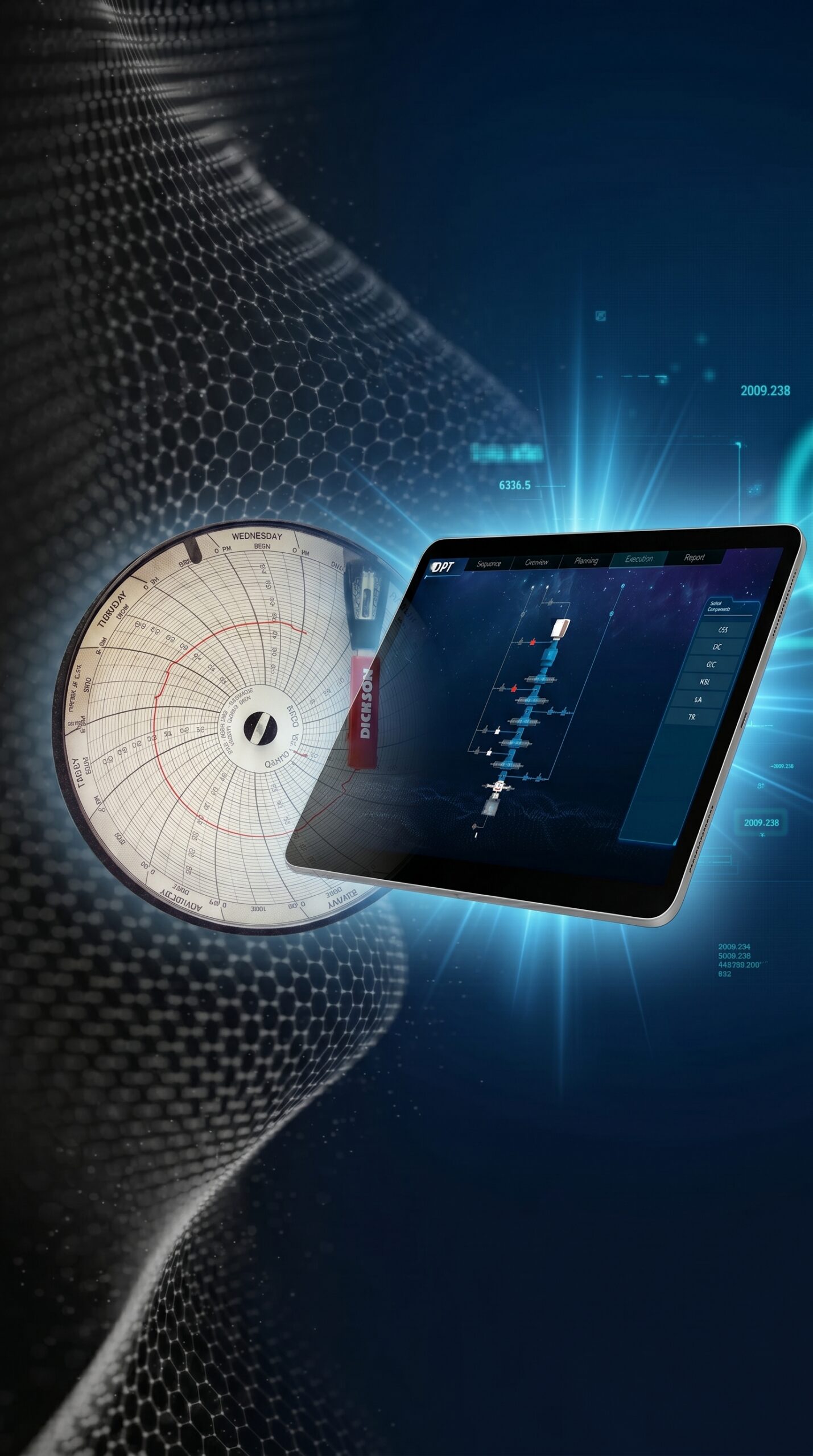
Cross data with the current BOP test plan schematic and errors are automatically detected

Validates that all tests meet API STD 53 and operational procedures
Consolidates all pressure tests, KPIs, and test history in one place for full visibility

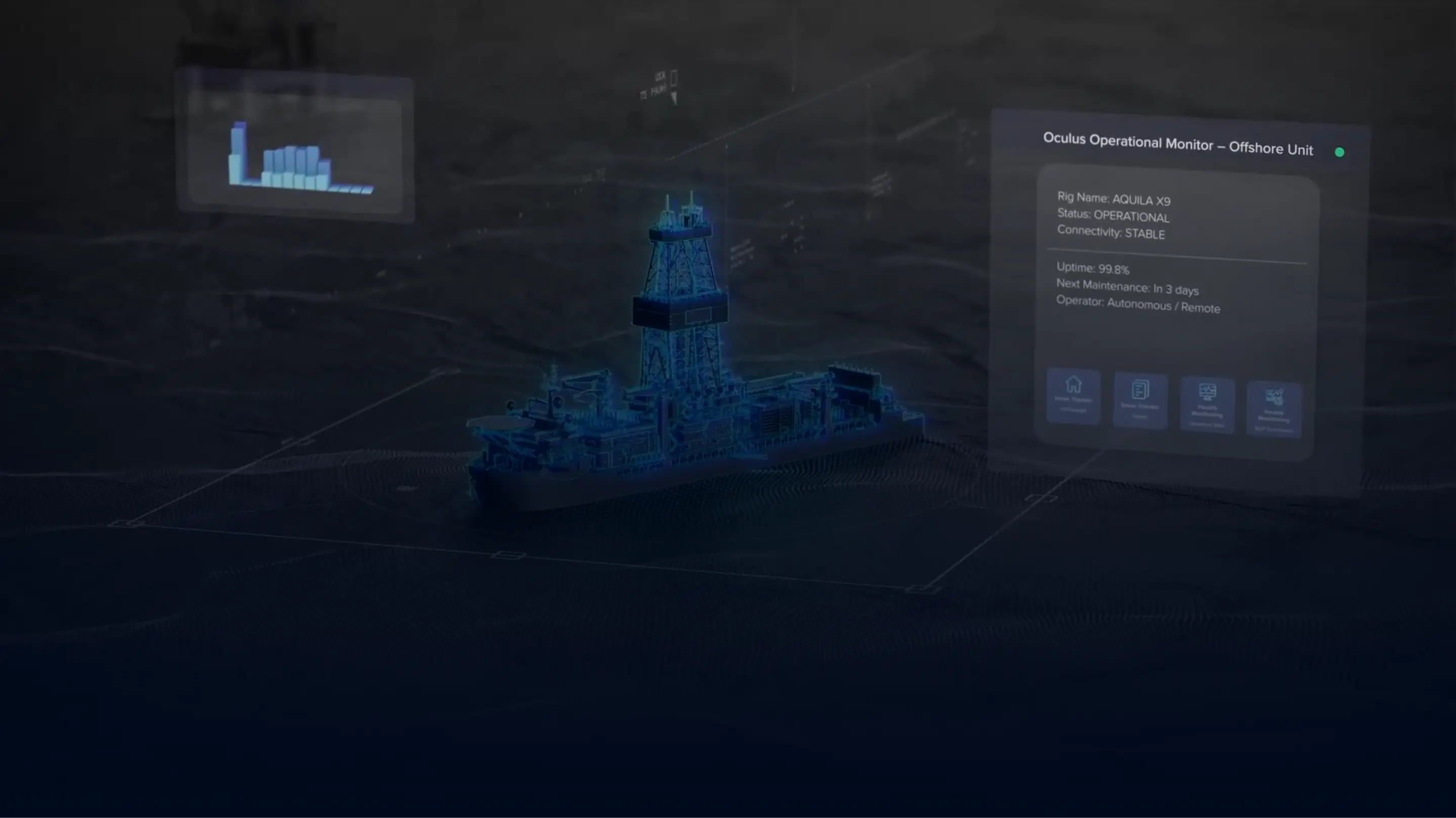
Aquila's DPT platform continuously monitors pressure conditions and automatically recognizes when test requirements are satisfied — initiating the validation sequence without waiting for manual confirmation, eliminating a key source of timing error and inconsistency.

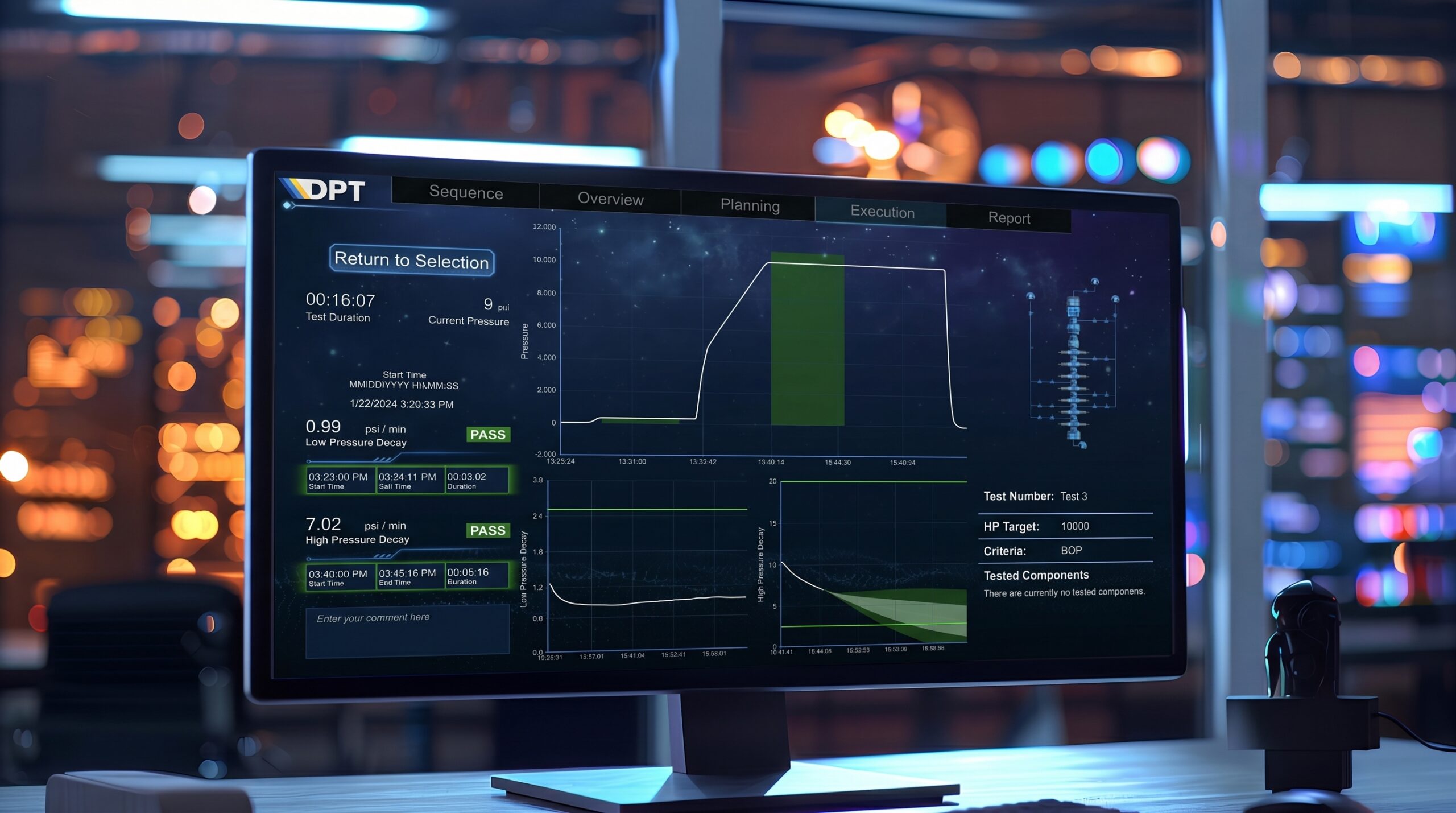
AI-driven predictive models verify test performance against API STD 53 criteria, operator-defined acceptance thresholds, or historical performance baselines — calculating low and high pressure decay rates, confirming pass/fail status, and flagging any deviation that falls outside acceptable bounds.

Complete, timestamped test reports are generated instantly at test completion — with all relevant parameters, tested components, duration, pressure targets, and result classification documented and ready for regulatory submission, client review, or audit.

See how DPT reduces test validation time by up to 82%

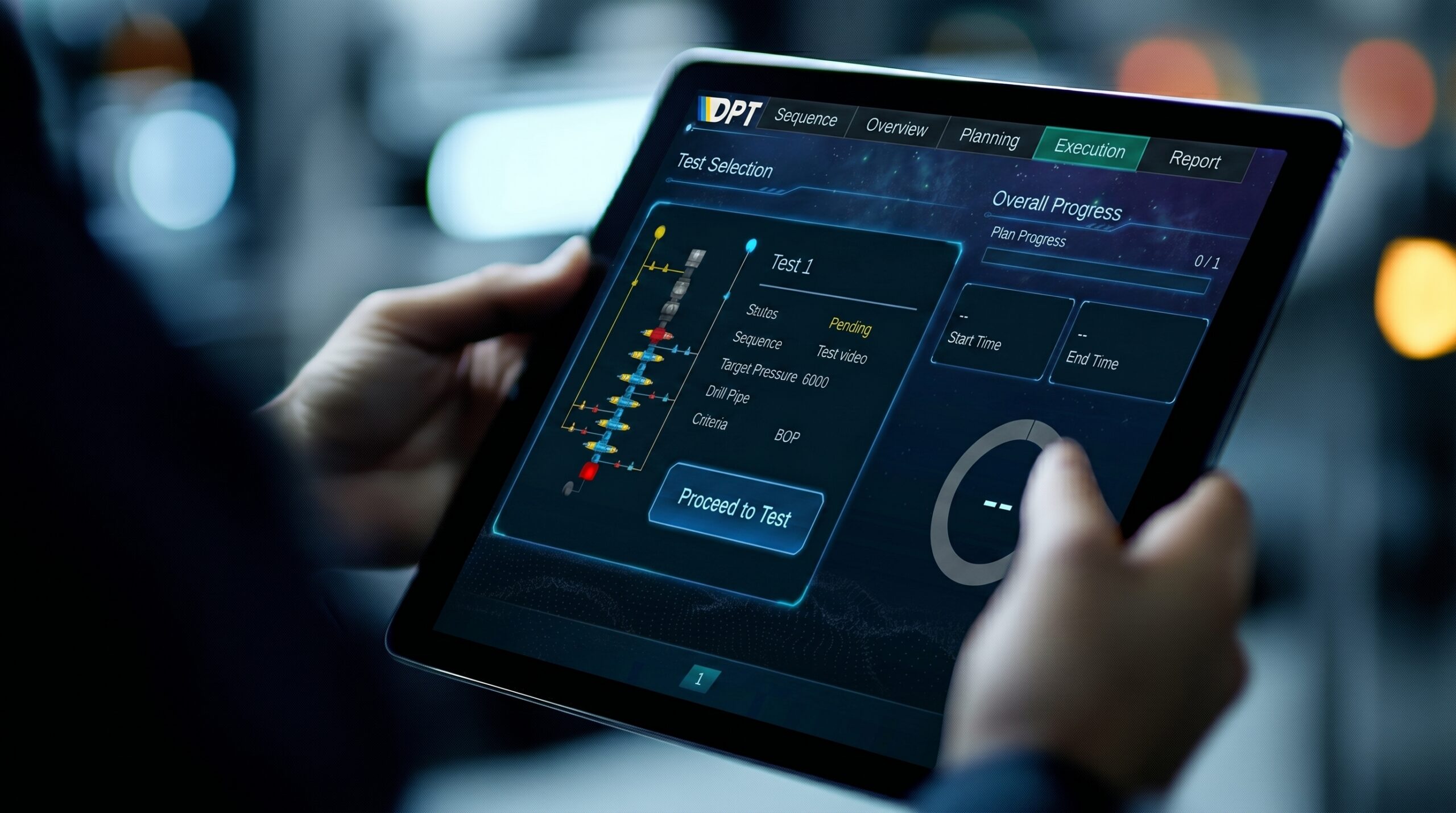
Engineers use DPT's integrated test planning schematic to configure each pressure test sequence visually — identifying all valves to be tested, confirming component coverage, and validating the test matrix before operations begin.
DPT tracks test execution in real time — monitoring pressure behavior, logging start and end times, and capturing all test events as they occur. Deviations from the planned sequence are flagged immediately, keeping execution aligned with the approved test program.
All test records, KPIs, and historical performance data are centralized in a single test management view — giving operations teams, compliance coordinators, and asset managers complete visibility into DPT history across rigs, wells, and campaigns.
Explore DPT's test management and API compliance verification capabilities

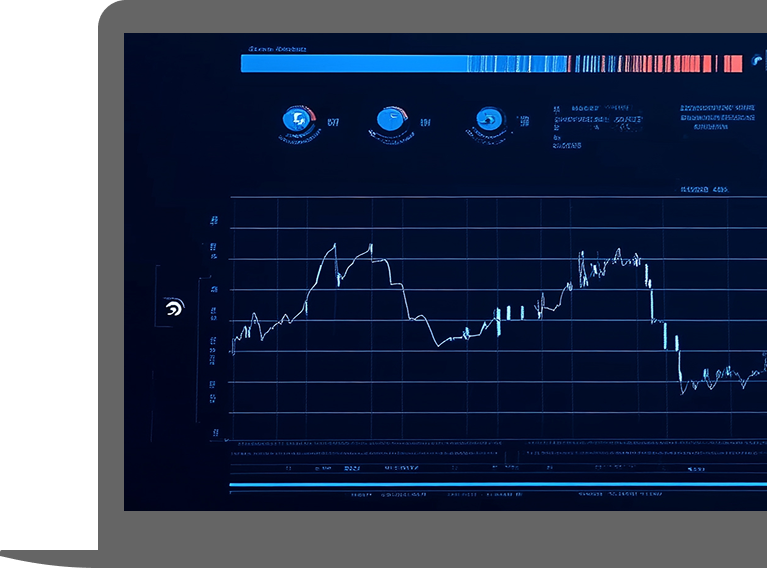
DPT converts each completed pressure test into structured performance data — tracking validation time, pressure decay behavior, retest frequency, tested components, execution consistency, and pass/fail history across rigs, wells, and campaigns.
Historical test results are analyzed to identify recurring deviations, abnormal decay patterns, and component-specific performance trends — helping engineering teams distinguish isolated test issues from procedural gaps, equipment degradation, or early indicators of reliability risk.
Operators use DPT insights to standardize test execution, refine acceptance criteria, reduce unnecessary retesting, and strengthen maintenance planning — turning pressure testing history into a continuous improvement loop for safer, faster, and more predictable BOP operations.
See how DPT transforms pressure test history into fleet-wide performance intelligence

Explore how we detected an issue in the solenoid valve through abnormal behavior in a regulator readback.