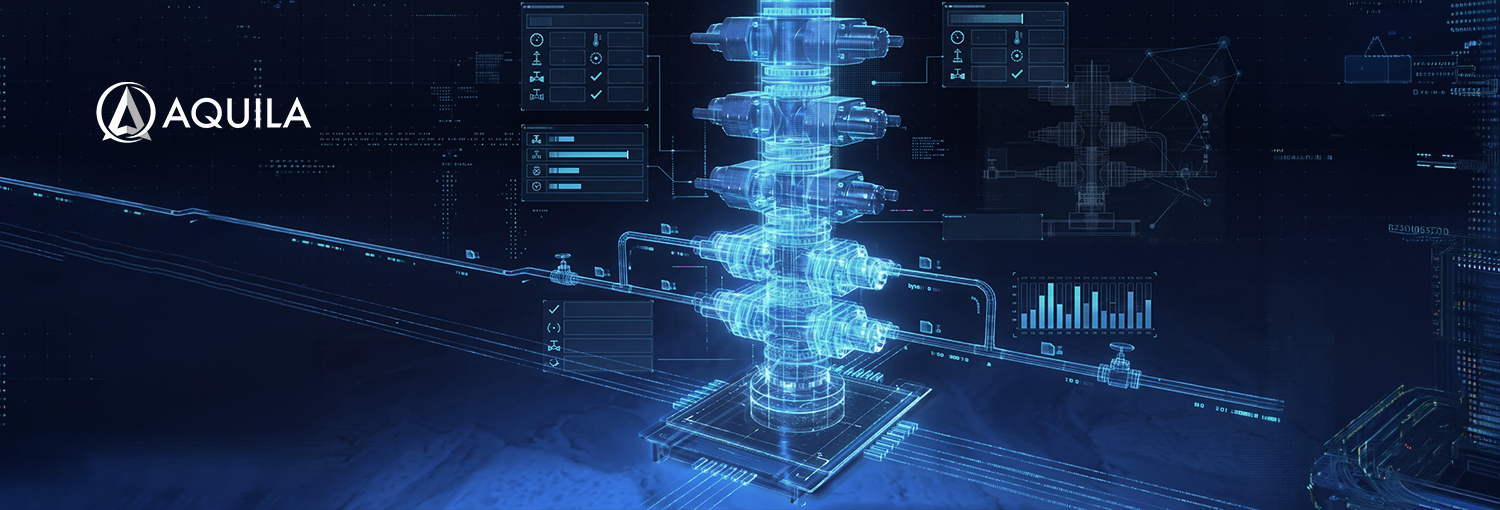
For decades, Blowout Preventer (BOP) testing has followed rigid schedules designed in an era when real-time system insight simply did not exist. While these procedures were essential for verifying well control capability, modern technology now allows the industry to rethink how BOP assurance, BOP pressure testing, and system reliability are evaluated.

blog card

In this blog...

we explore Aquila’s new approach centered on performing BOP function testing every 14 days while extending BOP pressure testing to 28 days. Supported by digital BOP testing software, modern analytics, and real-time monitoring systems, this model maintains safety while improving reliability and reducing unnecessary stress on critical BOP components.

1. Balancing BOP Testing Frequency and Equipment Reliability

Traditional BOP pressure test procedures often involve frequent high-pressure cycles designed to verify sealing integrity and operational readiness. However, these cycles also introduce mechanical stress across seals, valves, and regulators.

An optimized testing model proposes:

  • BOP function testing every 14 days
  • BOP pressure testing every 28 days

This approach maintains verification of well control capability while reducing the number of high-pressure cycles applied to the system.

Reducing excessive pressure cycling can support digital BOP testing efficiency by limiting mechanical fatigue on critical components while still meeting API Standard 53 BOP testing verification requirements.

For BOP engineers and drilling teams, this balanced testing approach allows operational verification without unnecessarily increasing wear on the equipment.


2. The Role of Digital BOP Testing and Data Analysis

One of the most important developments in modern BOP engineering is the ability to capture and analyze test performance through digital BOP testing software rather than relying only on manual reporting.

With digital BOP testing services, function tests can capture key performance indicators such as:

  • Gallon consumption during actuation
  • Opening and closing response time
  • Hydraulic pressure behavior
  • System response trends across multiple tests

These data points enable deeper BOP testing data analysis, helping engineers detect early signs of equipment degradation. For example:

  • Increased gallon consumption may indicate internal hydraulic leakage.
  • Slower actuation times may suggest wear in control components.
  • Variations in pressure behavior may highlight developing system instability.

Instead of recording simple pass/fail results, digital BOP testing software enables engineers to analyze trends over time, creating a more comprehensive understanding of BOP system health.

3. Real-Time Monitoring and Continuous BOP System Insight

Beyond scheduled BOP tests, modern real-time monitoring systems allow operators to observe system behavior continuously.

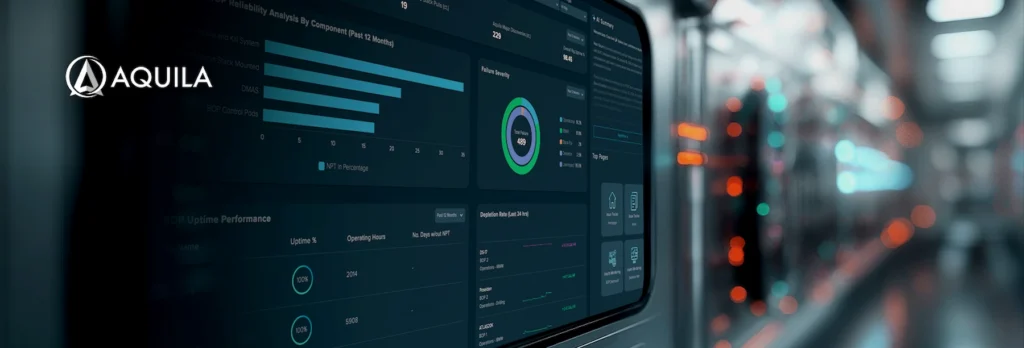
One important performance indicator is BOP drawdown or depletion rate, which measures how quickly hydraulic pressure decreases within the system. Monitoring this parameter through RTM drilling systems can help detect:

  • Internal hydraulic leaks
  • Valve seat degradation
  • Seal wear within the control system

When integrated with BOP tracking platforms and well integrity software, these insights provide engineers with continuous system visibility.

Combining digital pressure testing BOP data, circular chart for pressure testing analysis, and real-time system monitoring helps operators break traditional data silos that often exist between rig systems, testing reports, and engineering teams.

The result is a more connected environment where BOP testing companies, drilling contractors, and operators can evaluate system performance with greater clarity

Conclusion

Modern BOP engineering practices are evolving as digital technologies become more integrated into offshore operations.

By combining 14-day BOP function testing, 28-day BOP pressure testing, Digital BOP testing services, Remote digital pressure, testing Real-time monitoring systems, and BOP tracking and advanced BOP testing data analysis, operators can gain deeper insight into BOP system integrity and availability.

This data-driven approach to BOP testing supports improved reliability, reduces unnecessary equipment stress, and provides engineers with stronger visibility into the performance of one of the most critical safety systems in offshore drilling.

With digital monitoring and analytics, the BOP evolves from a system verified only during scheduled tests into one that can be continuously understood and evaluated through data.

Real-Time Operational Centers (RTOCs) play a critical role in modern offshore energy operations. They serve as centralized environments where real-time data, engineering expertise, and advanced digital systems come together to support safe, efficient, and consistent execution across offshore assets.

blog card

In this blog...

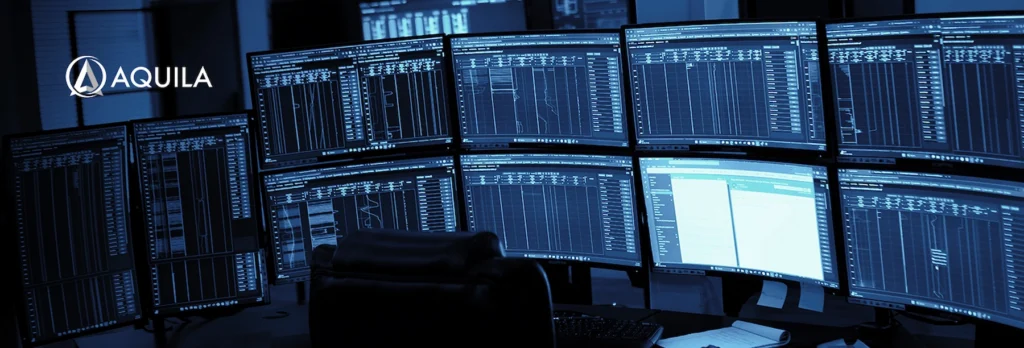
we’ll show how at Aquila, the RTOC is not just a monitoring room — it is an operational hub designed to support offshore teams with real-time insights, engineering intelligence, and digital assurance, around the clock.

1. The Role of a 24/7 RTOC in Offshore Operations

Offshore operations operate continuously. Drilling, well integrity activities, BOP testing, and production monitoring do not pause — and neither does operational oversight. Aquila’s Real-Time Operational Center is structured to support this rhythm by providing continuous visibility and engineering support across assets and time zones.

Through real-time monitoring systems, integrated data pipelines, and engineering workflows, the RTOC enables teams to:

  • Monitor critical operational parameters in real time
  • Support offshore crews with engineering analysis and recommendations
  • Ensure alignment with operational procedures and regulatory requirements
  • Maintain consistency across rigs, wells, and campaigns

This continuous operational presence strengthens decision-making and reduces uncertainty in high-consequence offshore environments.

2. Inside Aquila’s RTOC: Technology and Expertise Working Together

What defines Aquila’s RTOC is the combination of advanced digital technology and highly qualified professionals. Engineers, analysts, and operational specialists work side by side, using real-time data to support offshore execution with precision and confidence.

Key capabilities of Aquila’s RTOC include:

  • Real-time monitoring of drilling and well operations
  • Digital BOP testing support, including pressure testing and data analysis
  • Integration of operational data with engineering models and historical context
  • Structured workflows that support consistency and auditability

Rather than operating in isolation, the RTOC is closely connected to offshore teams, acting as an extension of the rig — providing clarity, validation, and technical support when it matters most.

3. Supporting Offshore Teams Through Digital Assurance

In offshore operations, visibility alone is not enough. Teams need confidence that systems, equipment, and processes are performing as expected. Aquila’s RTOC supports this by moving beyond basic monitoring toward operational assurance.

By combining real-time data with engineering context, the RTOC helps:

  • Validate operational conditions during critical activities
  • Support BOP pressure testing and well integrity processes
  • Identify deviations early and support timely corrective actions
  • Ensure consistent execution across multiple assets and campaigns

This approach reinforces operational discipline while supporting offshore crews with reliable, actionable insights.

Conclusion

Aquila’s Real-Time Operational Center reflects how offshore operations work today: connected, data-driven, and highly collaborative. It is an environment where technology supports people — not the other way around — and where engineering expertise is amplified by digital systems.

By operating 24/7, Aquila’s RTOC plays a central role in supporting offshore safety, efficiency, and compliance. It brings together real-time monitoring, digital workflows, and experienced professionals to deliver measurable results across complex offshore operations.

In a sector where every decision counts, the RTOC is where operational confidence is built — continuously, consistently, and in real time.

How real-time monitoring and digital BOP testing shape safer, smarter offshore operations.

The offshore industry faces unique challenges where efficiency, safety, and reliability are critical. By applying real-time monitoring systems, digital BOP testing software, and proactive analysis, operators can detect anomalies early, reduce downtime, and maintain compliance. In this blog, we share lessons learned from real offshore projects where technology in practice made a measurable impact.

blog card

In this blog...

we explore how real offshore projects highlight the value of combining advanced digital tools with the expertise of BOP engineers and offshore teams. Through proactive monitoring and digital BOP testing services, the ability to identify anomalies early not only prevents costly downtime but also ensures compliance with API Standard 53 BOP testing procedures and well integrity standards.

We’ll look at real cases where Aquila’s Real-Time Operations Center (RTOC) and subsea teams worked together to improve efficiency, safety, and reliability in offshore drilling.

1. Early Detection During Pre-Deployment: Preventing Downtime Before It Happens

During a pre-deployment soak test, the RTOC noticed something unusual: the solenoid manifold regulators on both pods were seeking set pressure more frequently than expected.

“Our team quickly spotted a shift in HPU pump cycle frequency and depletion rate. After notifying the onboard FSE, the rig team investigated and found that the annular regulator was venting back to the tank. By analyzing the pressure trends carefully, the leaking solenoid valves were repaired before BOP deployment.”

Thanks to this early detection, downtime was minimized, troubleshooting delays were avoided, and regulatory compliance was maintained. This case highlights how real-time monitoring and digital BOP testing software can directly prevent operational interruptions.

1. Real-Time Anomaly Detection While Deployed Subsea

In another project, the RTOC detected a shift in Pump Cycle Frequency and Depletion Rate while the BOP was already deployed subsea. Interestingly, no BOP functions had been used in the past 12 hours, which raised a flag for the team.

“After notification, the FSE and subsea team mobilized an ROV for inspection. They discovered an external leak on the Yellow riser recoil valve. Once placed in the vent position, the depletion rate returned to normal.”

This case illustrates that proactive monitoring and quick response, supported by digital pressure testing and data analysis, can prevent small anomalies from escalating into downtime or regulatory issues.

3. Operational Efficiency Through Digital Solutions

Both cases underline the value of digital BOP testing efficiency and the ability to act on BOP test data analysis in real time. By using digital pressure testing for BOP systems, operators benefit from:

  • Faster detection and resolution of anomalies
  • Improved maintenance planning through BOP tracking and monitoring
  • Compliance with regulatory standards such as API Standard 53 BOP testing
  • Safer operations through proactive identification of risks

These solutions also reduce reliance on manual methods like circular charts for pressure testing, instead leveraging advanced well integrity software and digital assurance platforms. 

Conclusion

Real offshore projects continue to prove the importance of pairing human expertise with digital technology. With the support of real-time monitoring systems, digital BOP testing services, and experienced subsea teams, anomalies can be identified and resolved before they escalate into costly downtime.

From enhanced BOP test data analysis to improved cybersecurity for oil rigs, digital solutions are transforming the oil and gas industry. By applying lessons learned, operators can strengthen operational efficiency, maintain compliance, and ensure safer offshore environments.

Let's Chat