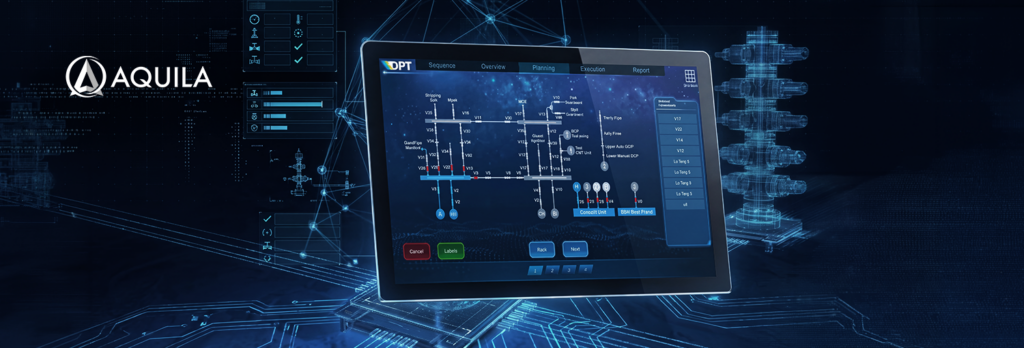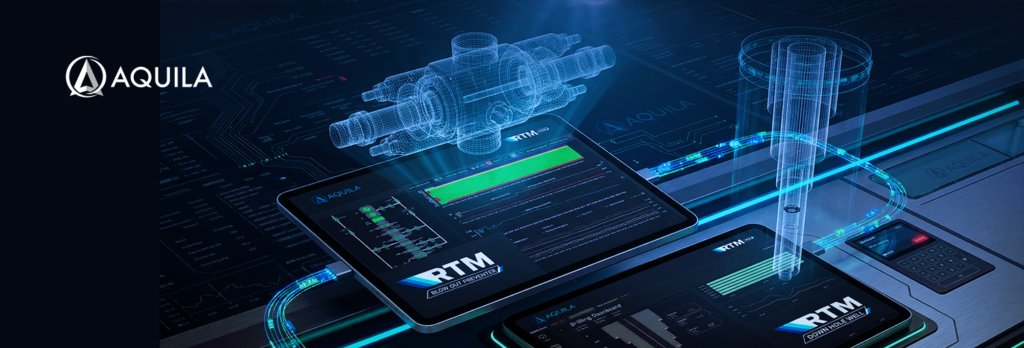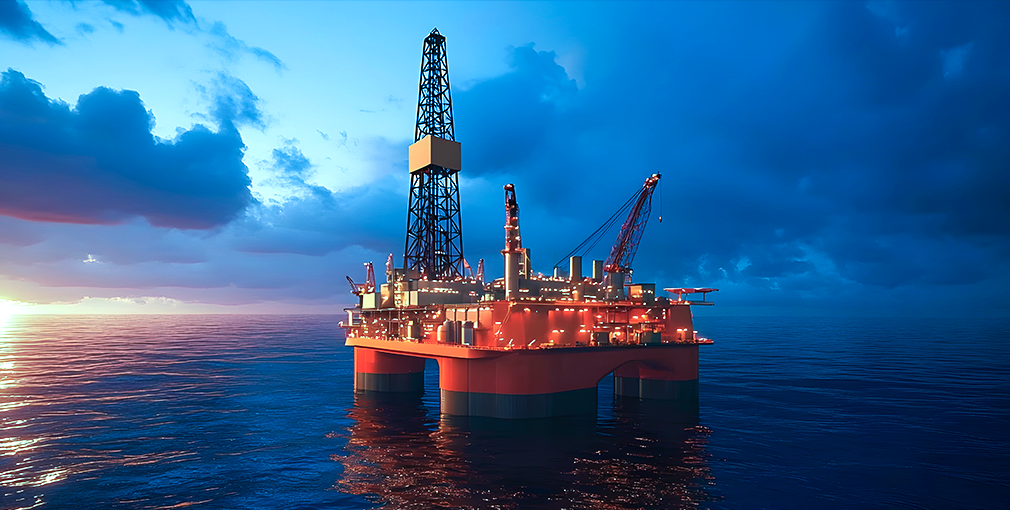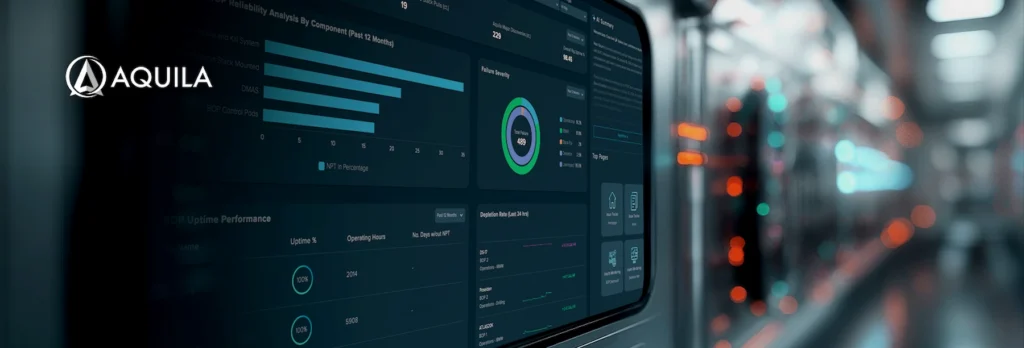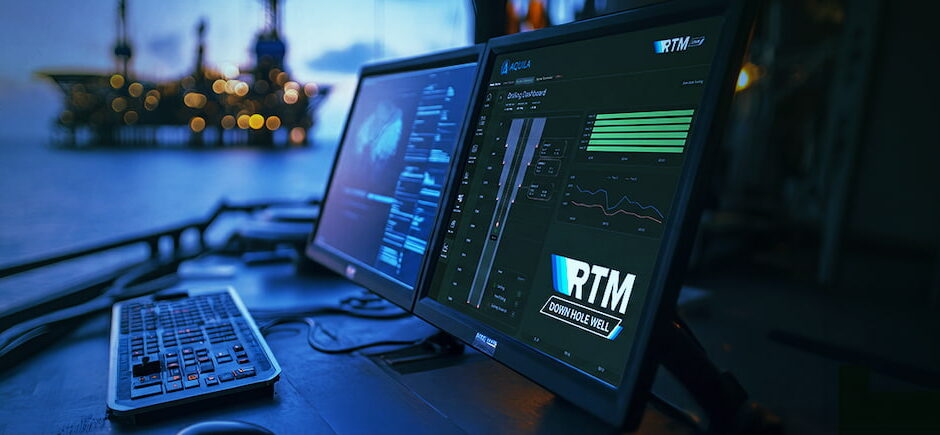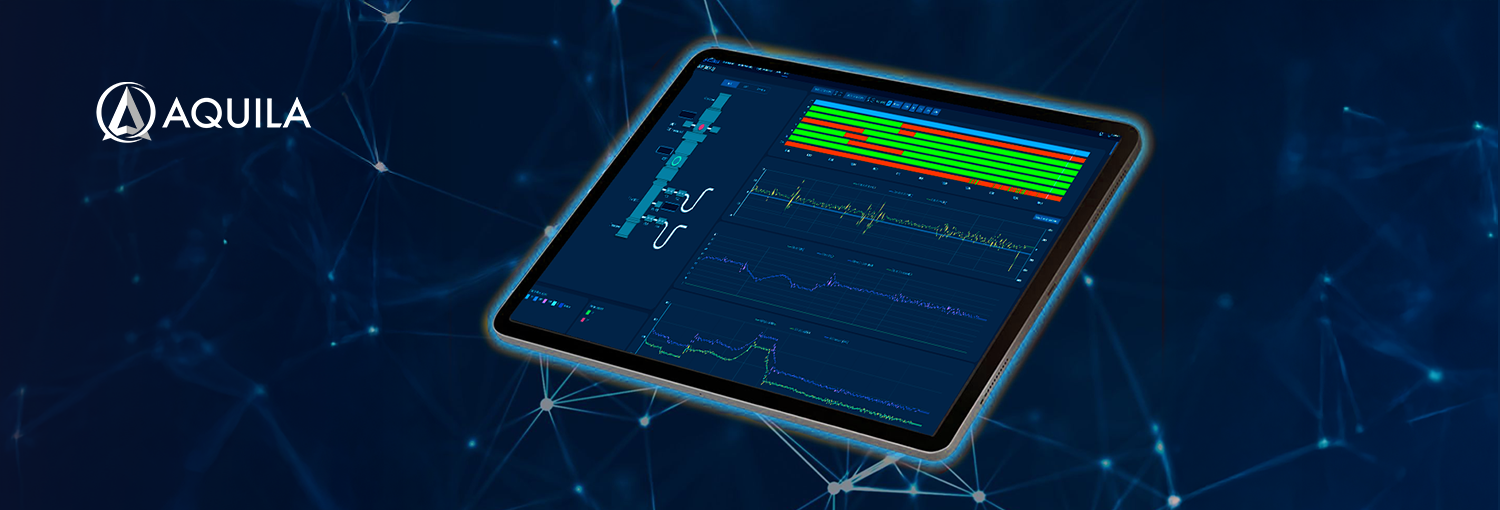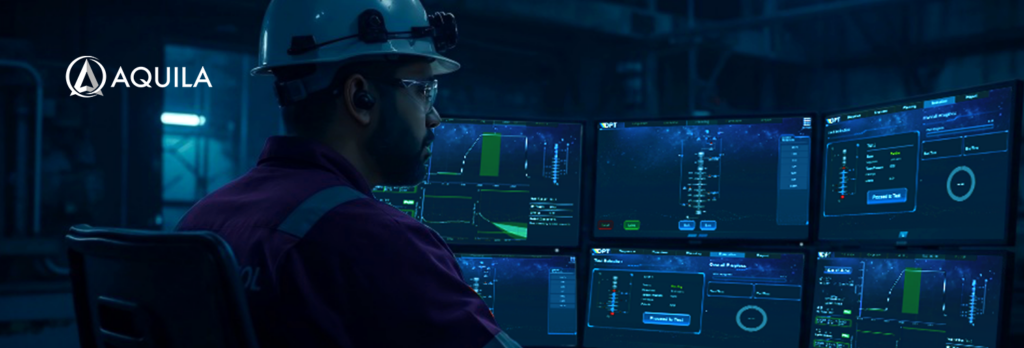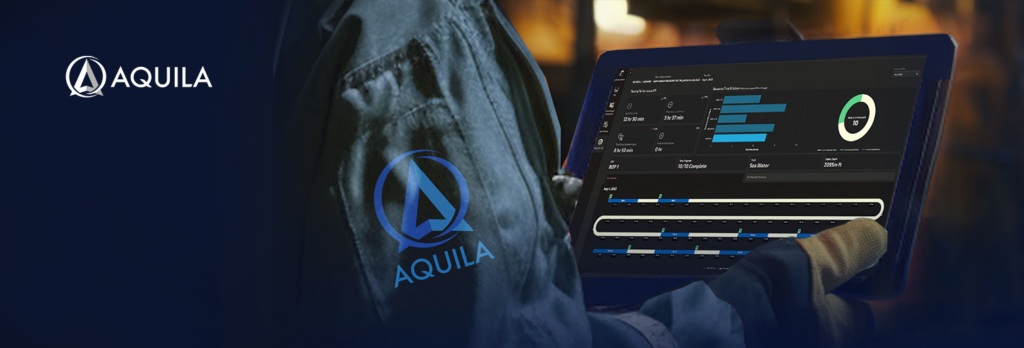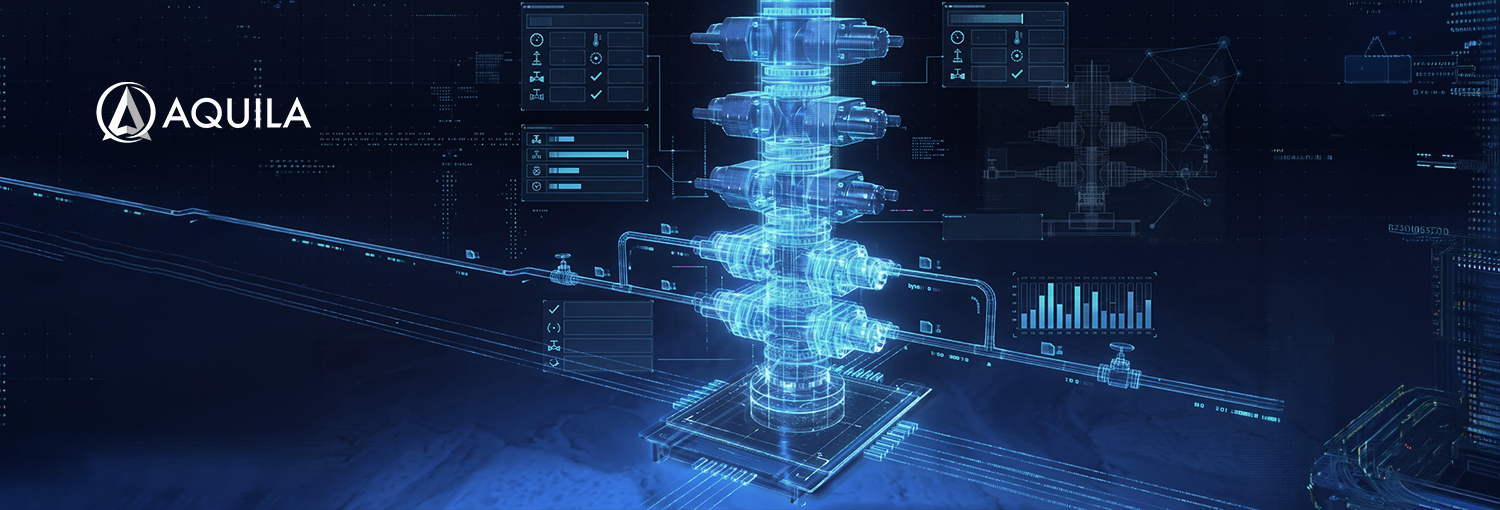
Human error has long been a critical challenge in offshore operations, impacting safety, efficiency, and asset integrity. As the industry evolves, integrating digital technologies like real-time monitoring systems, AI, and digital BOP testing it’s essential. Traditional, manual processes leave too much room for inconsistency, delayed responses, and missed signals. In an environment where every second and every decision matters, that gap is no longer acceptable.

blog card

In this blog..

we explore how offshore operations can move beyond these limitations by combining engineering expertise with digital tools. From improving BOP testing efficiency to enabling real-time visibility across critical systems, the shift toward digital operations is redefining how decisions are made offshore — faster, more accurately, and with far greater confidence.
1. The Cost of Human Error in Offshore Operations

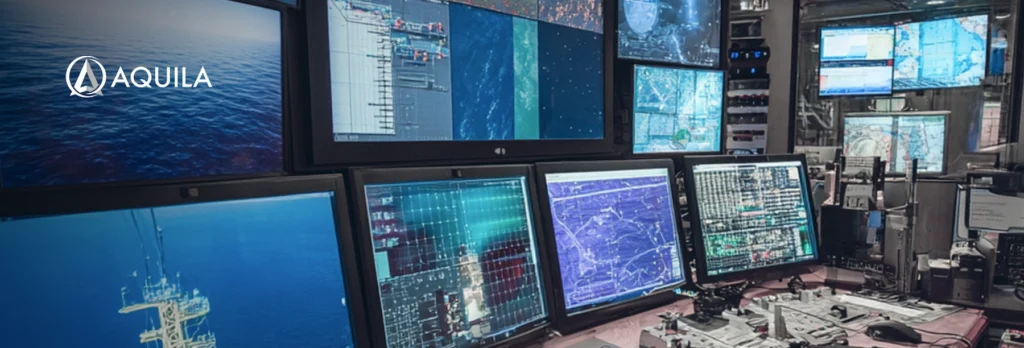
Offshore environments are complex, high-risk, and data-intensive. Traditional processes — often manual and reactive — leave room for human error, especially in critical activities like BOP pressure testing, bop test data analysis, and bop tracking.

Key challenges include:

  • Inconsistent data recording using manual methods (e.g., circular chart for pressure testing)
  • Delayed identification of anomalies during bop pressure test procedure
  • Limited visibility across systems impacting well integrity
  • Increased downtime due to reactive maintenance

Even when following standards like API Standard 53 BOP testing, human dependency can lead to inefficiencies and overlooked risks.

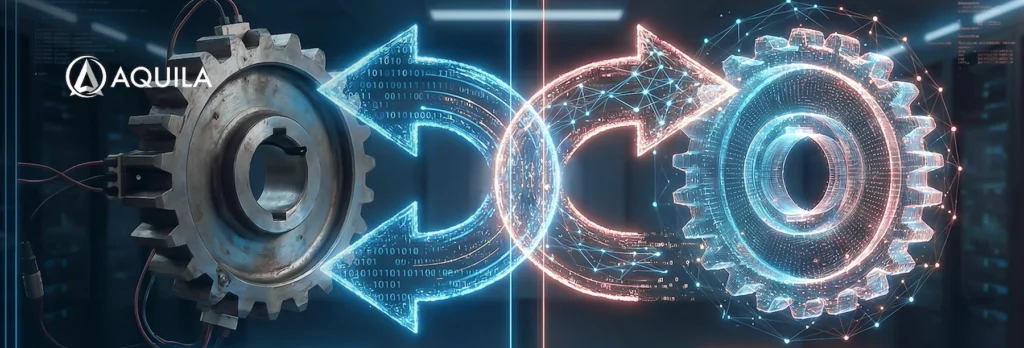
2. From Manual to Digital: Enabling Real-Time Offshore Intelligence

The shift toward digital is what stands out in offshore performance. Technologies allow operators to move from reactive to predictive operations.

What digital integration delivers:

  • Real-time monitoring of BOP systems, downhole behavior, and critical equipment
  • Automated bop testing data analysis with higher accuracy and consistency
  • Enhanced bop digital assurance through continuous validation
  • Increased digital bop testing efficiency with reduced human intervention

This is where Aquila stands apart — using digital tools fully integrated with AI to transform complex BOP data into real-time, actionable intelligence.

3. From Data to Decision: Making Real-Time Data Operational

Collecting data is no longer the challenge in offshore operations. The real challenge is turning that data into decisions — fast, precise, and reliable under pressure.

With digital tools fully integrated with AI, operators can move beyond fragmented information and start operating with true clarity. Instead of reacting to isolated data points, they gain a continuous, contextual understanding of what’s happening across critical systems.

This is where Aquila stands apart — not just collecting data, but structuring, interpreting, and validating it through AI-driven digital systems.

  • Converting complex bop testing data analysis into clear, decision-ready insights
  • Detecting anomalies in real time with 24/7 real-time monitoring
  • Applying AI models combined with engineering logic to eliminate uncertainty
  • Supporting faster, high-confidence decisions in critical offshore scenarios
  • Creating a unified operational view through integrated well integrity software and monitoring systems

Aquila stands out among other companies by combining engineering expertise with cutting-edge technology. Whether you're analyzing pressure patterns during a test or monitoring equipment status remotely, our software helps ensure the right decision.

Conclusion

Technology, and specially AI, is no longer a futuristic add-on in offshore. In an industry where precision and reliability are critical, the future belongs to those who combine engineering expertise with intelligent digital systems — creating safer, smarter, and more efficient offshore operations

Blowout Preventers (BOPs) are critical to well control and operational safety in oil and gas drilling. This blog explains how Fault Tree Analysis (FTA), combined with digital BOP testing and real-time monitoring systems, supports risk reduction, reliability optimization, and data-driven decision-making across offshore operations.
blog card

In this blog…

we demonstrate how FTA is applied to map potential failure pathways within BOP systems and prioritize critical risk scenarios. The discussion also highlights how integrating digital testing platforms, real-time performance monitoring, and structured operational data enables earlier anomaly detection, improved diagnostics, and more informed maintenance strategies for complex subsea equipment.

1. Understanding Fault Tree Analysis in BOP Engineering

Fault Tree Analysis (FTA) is a structured method used to evaluate how individual component failures can combine to cause system-level events, such as a BOP failure or loss of well control.

In BOP engineering, FTA starts with a defined top event—such as hydraulic system leakage within the BOP control system, failure during a BOP pressure test, or inability of the BOP to properly seal the well—and breaks it down into contributing factors, including:

By mapping these relationships using logical structures, engineers gain clear visibility into how risks propagate across the system and where mitigation efforts are most effective.
2. Applying FTA with Digital BOP Testing and Real-Time Monitoring

When combined with digital BOP testing services and real-time monitoring systems, Fault Tree Analysis becomes a practical operational tool rather than a static engineering exercise.

Digital BOP testing software and remote digital pressure testing enable continuous visibility into pressure behavior, faster identification of anomalies during BOP pressure testing, and structured BOP test data analysis aligned with API Standard 53 BOP testing requirements.

At Aquila, this approach is supported through Oculus, where fault tree analysis is directly connected to live operational data. By integrating FTA with our real-time monitoring systems, BOP test data, and digital assurance workflows, teams gain a clearer understanding of risk propagation and system behavior throughout drilling and testing operations.
2. Risk Reduction, Compliance, and Operational Confidence

FTA supports proactive risk reduction by helping operators focus on the most critical failure modes and system dependencies. When aligned with well integrity software and BOP tracking systems, it contributes to:

In addition, secure digital environments and attention to oil and gas cybersecurity—including data and network security—are essential to protect real-time monitoring systems and digital pressure testing for BOPs from cyber threats to the oil and gas industry.

Conclusion

Fault Tree Analysis remains a foundational tool for BOP engineering, but its full value is realized when integrated with digital BOP testing software, real-time monitoring, and structured data analysis.

This evolving approach supports measurable results in safety, compliance, and operational reliability—helping operators reduce risk, improve testing efficiency, and maintain high levels of system confidence in demanding offshore environments.
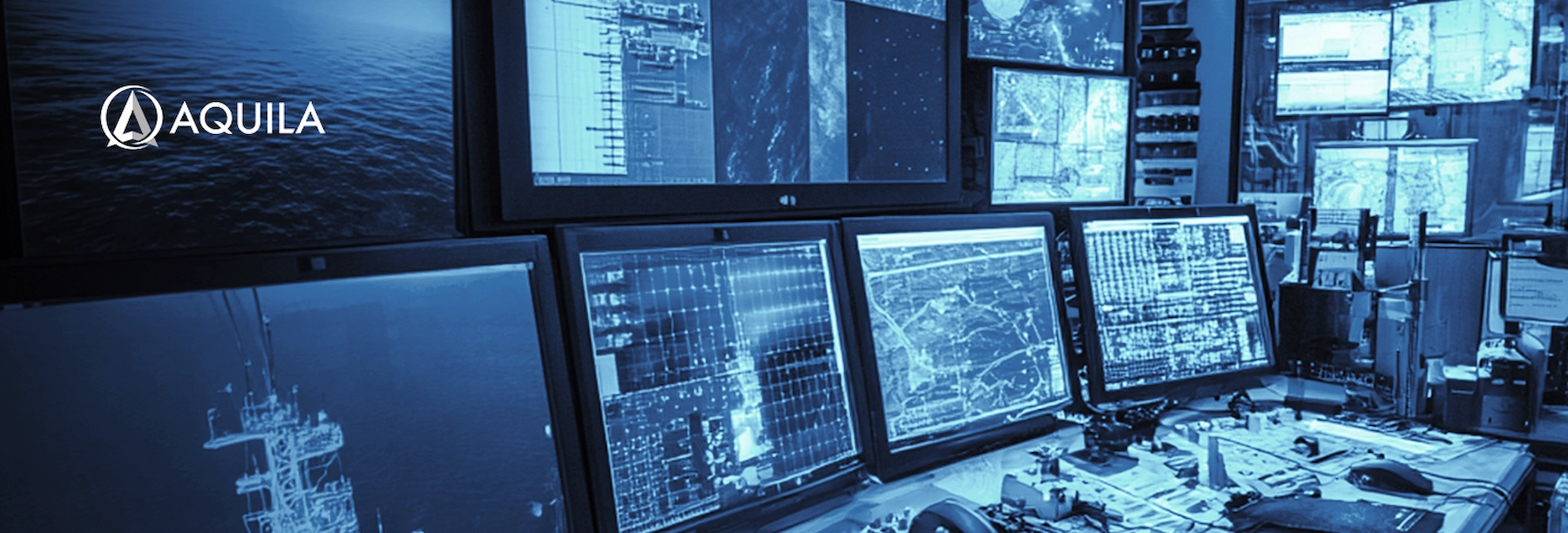
Real-Time Operational Centers (RTOCs) play a critical role in modern offshore energy operations. They serve as centralized environments where real-time data, engineering expertise, and advanced digital systems come together to support safe, efficient, and consistent execution across offshore assets.

blog card

In this blog...

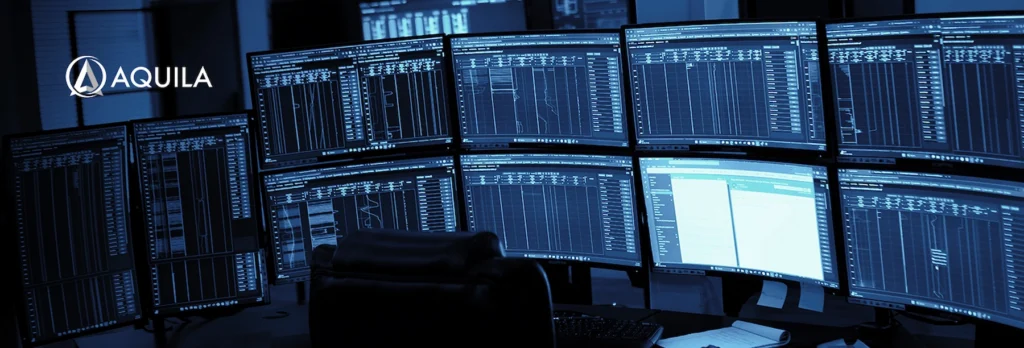
we’ll show how at Aquila, the RTOC is not just a monitoring room — it is an operational hub designed to support offshore teams with real-time insights, engineering intelligence, and digital assurance, around the clock.
1. The Role of a 24/7 RTOC in Offshore Operations

Offshore operations operate continuously. Drilling, well integrity activities, BOP testing, and production monitoring do not pause — and neither does operational oversight. Aquila’s Real-Time Operational Center is structured to support this rhythm by providing continuous visibility and engineering support across assets and time zones.

Through real-time monitoring systems, integrated data pipelines, and engineering workflows, the RTOC enables teams to:

  • Monitor critical operational parameters in real time
  • Support offshore crews with engineering analysis and recommendations
  • Ensure alignment with operational procedures and regulatory requirements
  • Maintain consistency across rigs, wells, and campaigns

This continuous operational presence strengthens decision-making and reduces uncertainty in high-consequence offshore environments.

2. Inside Aquila’s RTOC: Technology and Expertise Working Together

What defines Aquila’s RTOC is the combination of advanced digital technology and highly qualified professionals. Engineers, analysts, and operational specialists work side by side, using real-time data to support offshore execution with precision and confidence.

Key capabilities of Aquila’s RTOC include:

  • Real-time monitoring of drilling and well operations
  • Digital BOP testing support, including pressure testing and data analysis
  • Integration of operational data with engineering models and historical context
  • Structured workflows that support consistency and auditability

Rather than operating in isolation, the RTOC is closely connected to offshore teams, acting as an extension of the rig — providing clarity, validation, and technical support when it matters most.

3. Supporting Offshore Teams Through Digital Assurance

In offshore operations, visibility alone is not enough. Teams need confidence that systems, equipment, and processes are performing as expected. Aquila’s RTOC supports this by moving beyond basic monitoring toward operational assurance.

By combining real-time data with engineering context, the RTOC helps:

  • Validate operational conditions during critical activities
  • Support BOP pressure testing and well integrity processes
  • Identify deviations early and support timely corrective actions
  • Ensure consistent execution across multiple assets and campaigns

This approach reinforces operational discipline while supporting offshore crews with reliable, actionable insights.

Conclusion

Aquila’s Real-Time Operational Center reflects how offshore operations work today: connected, data-driven, and highly collaborative. It is an environment where technology supports people — not the other way around — and where engineering expertise is amplified by digital systems.

By operating 24/7, Aquila’s RTOC plays a central role in supporting offshore safety, efficiency, and compliance. It brings together real-time monitoring, digital workflows, and experienced professionals to deliver measurable results across complex offshore operations.

In a sector where every decision counts, the RTOC is where operational confidence is built — continuously, consistently, and in real time.

Artificial Intelligence (AI) is becoming a key element in the evolution of oil and gas technologies, supporting safer operations, optimized performance, and improved decision-making. This blog explores how AI enhances Blowout Preventer (BOP) engineering through real-time monitoring systems, digital BOP testing software, and advanced data analysis. It also highlights how Aquila applies AI within an integrated approach to BOP digital assurance, delivering measurable results in safety, efficiency, and operational reliability.

blog card

In this blog...

we explore how Artificial Intelligence supports the evolving needs of the oil and gas industry, particularly in BOP testing, real-time monitoring, and digital pressure testing for BOP systems. As offshore operations become more complex and data-driven, AI plays an important role in improving BOP test data analysis, supporting well integrity software, and strengthening decision-making processes.
1. AI in Oil and Gas Operations: An Evolving Approach

Artificial Intelligence is increasingly embedded in oil and gas cyber security, subsea solutions, and operational monitoring. Rather than replacing engineering expertise, AI enhances it by supporting data interpretation and operational awareness.

Key areas where AI contributes include:

  • Real-time monitoring systems for offshore operations and RTM drilling
  • Continuous analysis of BOP testing data and BOP pressure test results
  • Support for BOP tracking and historical performance review
  • Improved visibility into complex operational conditions

By combining AI with real-time monitoring and well-established engineering practices, operators gain a clearer understanding of equipment behavior and operational risks.


2. AI-Driven BOP Testing and Digital Pressure Testing

AI plays a valuable role in digital BOP testing services by supporting more consistent, structured, and traceable BOP pressure testing processes.

Key Applications in BOP Engineering

  • Digital BOP testing software that supports API Standard 53 BOP testing requirements
  • AI-assisted analysis of BOP pressure test procedures, including drawdown tests
  • Use of circular charts for pressure testing to improve data visualization
  • Enhanced BOP test data analysis for faster identification of deviations

Through remote digital pressure testing and advanced data processing, AI helps reduce manual workload while improving the quality and reliability of test results. This supports both offshore safety and operational efficiency.

3. AI and Aquila’s Integrated Approach to BOP Digital Assurance

Aquila applies AI as part of an integrated approach to BOP digital assurance, combining BOP engineering expertise with digital pressure testing BOP tools and real-time monitoring.

This approach supports:

  • Continuous BOP tracking and performance assessment
  • Improved digital BOP testing efficiency
  • Reliable BOP testing data analysis for operational decisions
  • Measurable results in safety, compliance, and performance

Aquila’s solutions are built on technologies tested on the field, delivering a leader in proved performance for digital BOP testing and assurance services.

Conclusion

Artificial Intelligence is playing a growing role in the evolution of oil and gas operations, particularly in BOP testing, real-time monitoring, and offshore cybersecurity. By supporting digital pressure testing for BOP systems, improving data-driven insights, and strengthening cyber security oil and gas strategies, AI contributes to safer and more efficient operations.

At Aquila, AI is applied to optimize BOP performance and safety through structured digital BOP assurance solutions. By combining AI, engineering expertise, and real-time monitoring systems, Aquila delivers proven benefits and supports the evolving needs of offshore operations in a secure, efficient, and reliable way.

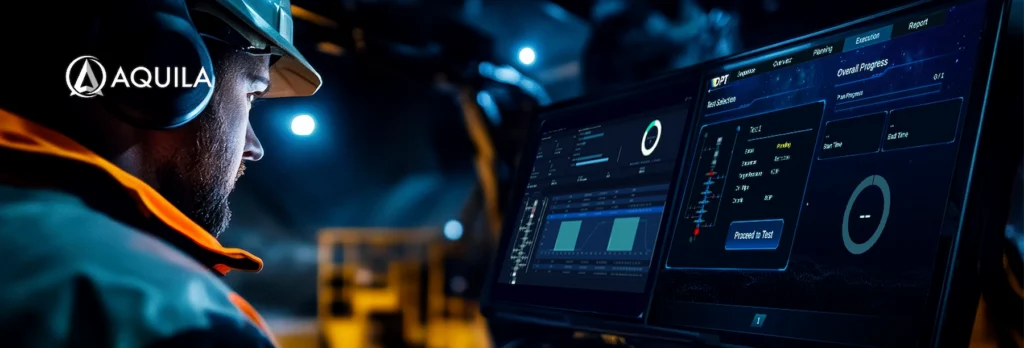
Aquila PLUS is an all-in-one digital service package that unifies Real-Time Monitoring (RTM), Digital BOP Assurance (DBA), and Digital Pressure Testing (DPT) into a single, coordinated platform built for drilling operators and contractors.

blog card

In this blog...

we highlight how Aquila PLUS strengthens operational consistency, improves oversight, and provides the data-driven support your teams rely on—backed by specialized BOP engineers and validated in real offshore environments.
1. What is Aquila PLUS and why does it matter?

Aquila PLUS is a comprehensive digital framework for managing subsea reliability. By combining three established technologies in a cohesive environment, it gives drilling contractors greater visibility and control across critical BOP functions.

RTM — Continuous oversight of subsea equipment supports early anomaly detection, timely intervention, and improved equipment availability.
DBA — A data-informed approach that leverages historical and real-time testing insights to identify trends, guide maintenance decisions, and promote consistent operational improvement.
DPT — A remote-capable, fully digitized testing workflow that reduces manual inefficiencies, improves data accuracy, and provides audit-ready documentation for every test.

Together, these services form an integrated reliability layer designed to reduce downtime and support measurable operational gains.

1. Proven benefits from the field

Aquila PLUS has been applied in live offshore operations, where it has delivered practical, measurable improvements:

  • Reduced Non-Productive Time (NPT): operators can achieve meaningful reductions in pressure testing duration and associated rig idle time.
  • Greater accuracy in BOP testing: automated data capture and reporting minimize manual variability and strengthen test traceability.
  • Improved team alignment: shared dashboards and live BOP insights support coordinated decision-making between offshore and onshore personnel.
  • Efficient regulatory compliance: audit-ready reports are generated automatically, streamlining preparation for inspections.

3. Built for drilling operators and contractors

Aquila PLUS was developed by subsea specialists who understand the operational realities of offshore rigs. Every feature is shaped to align with real workflows and reduce complexity—not add to it.

Key advantages include:

  • Seamless integration with existing rig systems
  • Support from experienced BOP engineers
  • Digitally optimized workflows for testing and assurance
  • Clear data ownership and straightforward client access
  • Flexible service tiers for different rig types and operational needs

Whether your fleet includes jackups, semisubs, or drillships, Aquila PLUS offers a reliable and scalable framework that adapts to your requirements.

Conclusion

As the offshore sector evolves, the systems that support it must evolve as well. Aquila PLUS provides the digital backbone that drilling operations need to strengthen reliability, elevate BOP management, and improve overall performance.

From real-time monitoring to remote pressure testing, Aquila PLUS is your unified partner for subsea assurance.

Unexpected equipment failures can lead to significant downtime, repairs, and safety concerns. With real-time monitoring systems and structured BOP test data analysis, offshore teams are gradually shifting from reactive/schedule maintenance to more predictive maintenance, data-informed strategies.

blog card

In this blog...

we examine how monitoring data—combined with digital BOP testing software and digital pressure testing—supports more consistent maintenance planning across offshore drilling operations. We highlight how BOP engineers and operations personnel use real-time analytics to anticipate issues earlier, reduce unplanned downtime, and enhance overall equipment performance.

1. From Reactive to Predictive: An Evolving Approach to Offshore Maintenance

Traditionally, offshore teams addressed equipment failures after the issue had already occurred. Today, real-time monitoring systems and data analytics allow a more preventive approach, helping teams respond earlier and with more context.

How predictive maintenance is applied:

  • Sensor-driven data collection: Pressure, temperature, and vibration sensors provide continuous data from key equipment.
  • Anomaly detection: AI tools and pattern-recognition models highlight irregular trends that may indicate emerging issues.
  • Structured alerts: Teams receive early notifications, allowing technical personnel to investigate conditions that could progress into failures.

This shift does not replace engineering expertise—it complements it with consistent, data-supported insight.

2. BOP Test Data: A Valuable and Often Underused Resource

Each BOP test generates detailed operational information, but much of this data has traditionally been underutilized. With dedicated BOP testing software, that information becomes easier to interpret and apply to maintenance planning.

Benefits of a structured BOP test data analysis approach:

  • Identifying recurring trends: Helps highlight repeated issues across similar components or equipment units.
  • Performance comparison: Supports benchmarking across rigs, time periods, or operating conditions.
  • More reliable reporting: Reduces manual entries and supports consistent documentation for compliance requirements.

When BOP tracking is combined with digital analytics, teams can better plan maintenance intervals, helping reduce unexpected repairs and improving digital BOP testing efficiency.


3. Real-Time Monitoring in Action: Examples from Offshore Operations

Predictive insights are being applied daily in real offshore environments. Below are examples of how Aquila’s real-time monitoring systems and BOP tracking tools have supported teams in identifying anomalies early and reducing operational impact.

Example 1: Solenoid manifold regulator issue detected before deployment

During daily monitoring prior to BOP deployment, the RTOC identified deviations in the solenoid manifold regulators on both pods, which appeared to be seeking set pressure. The onboard FSE was notified.

“Aquila RTOC observed a change in HPU pump cycle frequency and depletion rate. After the notification, the rig team monitored the behavior and found that the annular regulator was venting back to tank. By reviewing the pressure trends, the leaking solenoid valves were repaired before BOP deployment.”

Detecting the issue early helped the team address it before subsea operations, reducing the likelihood of unplanned interventions.

Example 2: Subsea issue identified during operations

While the BOP was deployed subsea, the RTOC detected a shift in pump cycle frequency and depletion rate, even though no BOP functions had been performed in the previous 12 hours.

“The Aquila FSE and the subsea team were notified. The ROV was mobilized and, during inspection, the yellow riser recoil valve was found with an external leak. The valve was placed in the vent position, and the depletion rate returned to expected levels.”

This example highlights how continuous real-time monitoring supports system integrity, even when operations appear stable.

Conclusion

Monitoring data has become an essential input for preventive maintenance in offshore environments. Predictive maintenance does not eliminate failures, but it helps teams act earlier and with clearer context—strengthening reliability and improving operational efficiency across BOP engineering and pressure-control workflows.

Teams looking to enhance their monitoring and testing programs can explore how Aquila’s real-time monitoring and digital BOP testing software contribute to more informed and proactive offshore operations.

As pressure testing evolves, many operators are shifting from paper-based workflows and circular charts to digital BOP testing systems. But the transition is not simple. We will explore the biggest challenges companies face when digitalizing pressure testing processes — and how Aquila’s approach helps teams achieve measurable results in efficiency, data quality, and well integrity assurance.

blog card

In this blog..

we look at the evolving landscape of pressure testing digitalization across offshore operations. As BOP engineers, well integrity teams, and drilling contractors adopt digital BOP testing software, new challenges appear. We separated two common challenges leaders face today, and the tested-on-the-field strategies that help overcome them.

1. Ensuring Data Accuracy and Compliance Across Digital Workflows

For decades, pressure tests relied on circular charts, handwritten notes, and manual sign offs. Moving to digital platforms introduces new expectations for accuracy, consistency, and compliance.

Key challenges include:

  • Maintaining consistent data quality across multiple rigs and shifts.
  • Interpreting BOP pressure test data without human bias or inconsistent annotations.
  • Ensuring traceability for BOP testing audits and regulatory reviews.
  • Managing different testing types — BOP function tests, and pressure stabilization phases — within a single workflow.

How to overcome it:

  • Adopt digital BOP testing software designed to standardize BOP pressure test procedures.
  • Use real-time monitoring systems that automatically record pressure curves, hold times, chart anomalies, and stabilization periods.
  • Centralize test results in a secure platform that supports bop test data analysis and digital signatures.

How Aquila helps:
Aquila Digital Pressure Testing offers an integrated approach for data capture, automated validation, and secure reporting — reducing manual interpretation errors and supporting audit-ready documentation with proven performance.

2. Managing Cybersecurity Risks in Digital Pressure Testing Systems

As rigs adopt BOP digital assurance, well integrity software, and remote operations, cybersecurity becomes critical.
Pressure-testing data flows now include surface systems, rig networks, cloud environments, and operational technologies — and each layer requires proper protection.

Common cybersecurity concerns:

  • Exposure of rig networks to cyber threats to the oil and gas industry.
  • Protecting real-time monitoring data from tampering.
  • Safeguarding communication between offshore assets and onshore centers like RTM drilling hubs.
  • Ensuring compliance with internal security policies while enabling digital workflows.

How to overcome it:

  • Choose pressure testing solutions built with cybersecurity for oil rigs and oil and gas cyber security standards in mind.
  • Implement data and network security controls across offshore and onshore nodes.
  • Use platforms designed to mitigate common vulnerabilities found in older or stand-alone systems.
  • Incorporate continuous monitoring and logging across all BOP testing data flows.

How Aquila helps:
Aquila’s digital ecosystem supports oil & gas cybersecurity standards with secure cloud environments, encrypted data flows, and role-based access — all aligned with the needs of subsea solutions in oil and gas operations.

Conclusion

Digital pressure testing is no longer optional for operators who want to improve reliability, reduce non-productive time, and support audit readiness. By addressing challenges in compliance and cybersecurity companies can build a more consistent and data-driven approach to BOP testing.

Aquila delivers a new approach to digital BOP testing — with secure data flows, structured procedures, and real-time monitoring tools that provide measurable results for well integrity teams, drilling contractors, and BOP engineers.

Artificial Intelligence (AI) is transforming the oil and gas sector by offering new ways to predict, prevent, and respond to well control events. By combining AI with real-time monitoring systems, digital BOP testing software, and advanced data analysis, companies can strengthen well integrity, enhance operational safety, and achieve more reliable performance offshore.

blog card

In this blog...

We explore how AI and real-time monitoring technologies are reshaping the way drilling teams identify and mitigate well control risks. From integrating digital BOP testing services to leveraging predictive algorithms, this article highlights the critical role of data, automation, and digital assurance in achieving safer and smarter offshore operations.


1. The Growing Role of Artificial Intelligence in Well Control

AI has become a cornerstone of modern oil and gas technologies, enabling predictive capabilities that were once impossible through manual processes alone. When integrated with real-time monitoring (RTM) drilling systems, AI can:

  • Continuously analyze operational data to detect early signs of abnormal pressure behavior.
  • Predict potential well control events before they escalate.
  • Recommend optimal control actions to drilling engineers in real time.

These predictive insights, powered by machine learning models trained on vast datasets, allow for proactive decision-making. The result is improved well integrity, reduced downtime, and enhanced compliance with API Standard 53 BOP testing and safety protocols.

2. From BOP Testing to Digital Assurance: Bridging Data and Safety

Blowout Preventers (BOPs) are critical to maintaining well control, and innovations in Digital Pressure Testing— Aquila’s digital solution — are revolutionizing how engineers approach maintenance and assurance. Unlike traditional methods that rely on manual circular charts, Digital Pressure Testing automates the entire process, providing accurate, traceable, and data-driven test results.

Through Aquila’s digital platform, operators can:

  • Conduct remote digital pressure testing with real-time visibility and control.
  • Improve testing accuracy, efficiency, and compliance through digital workflows.
  • Access complete bop test data analysis and trend reports to enhance decision-making.

Digital Pressure Testing not only streamlines operations but also integrates seamlessly with BOP digital assurance and real-time monitoring systems. With intelligent data analysis, BOP engineers gain the insights they need to ensure reliability, performance, and operational safety.

3. Cybersecurity: Protecting Data and Systems in an AI-Driven Environment

As the oil and gas industry adopts more connected, digital systems, cybersecurity in oil and gas operations has become a top priority. The use of AI, real-time monitoring, and digital pressure testing for BOP solutions introduces new layers of complexity — and potential vulnerability — to offshore networks.

To manage security risks in the oil & gas sector effectively, companies must:
  • Implement robust cyber security and network security frameworks.
  • Protect well integrity software and data-driven systems from cyber threats.
  • Ensure compliance with global oil and gas cybersecurity standards.

The integration of cybersecurity for oil rigs safeguards sensitive operational data and reinforces trust in digital technologies.

Conclusion


AI is redefining the standards of safety and performance in well control management. By combining artificial intelligence, real-time monitoring, Digital Pressure Testing, and strong cybersecurity measures, companies can predict and prevent well control events before they occur. This shift from reactive to proactive operations marks a new era of digital assurance — where human expertise and intelligent automation work together to ensure safer, smarter, and more resilient offshore environments.

As the oil and gas industry embraces digital transformation, operators are gaining unprecedented efficiency through real-time monitoring, digital BOP testing software, and advanced well integrity solutions. But this evolution comes with a growing concern: cybersecurity. Protecting offshore assets, BOP testing data, and real-time monitoring systems from cyber threats is no longer optional — it’s essential.

blog card

In this blog...

we’ll dive into the key cybersecurity priorities shaping the oil and gas sector today. From offshore rigs to subsea solutions, the industry is increasingly relying on technologies like real-time monitoring systems, digital BOP testing services, and well integrity software. These innovations improve efficiency, reduce downtime, and enhance safety — but they also introduce new cyber vulnerabilities. As operators integrate digital pressure testing for BOPs, BOP test data analysis, and other connected solutions, safeguarding digital infrastructure becomes a critical challenge.
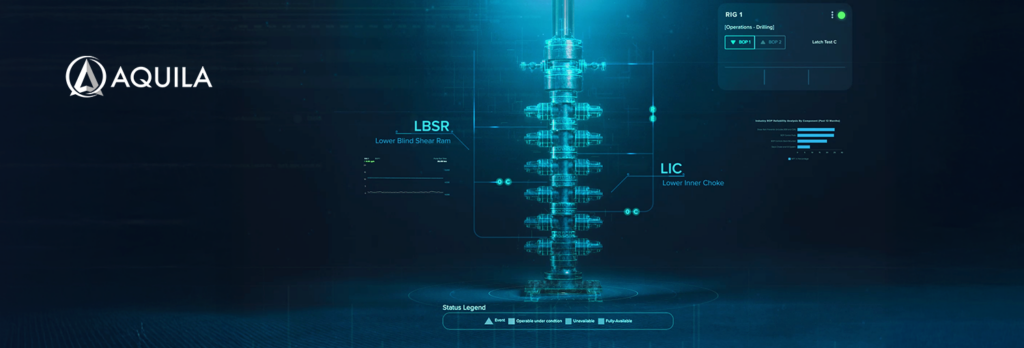

1. Protecting Critical Assets Through Real-Time Monitoring

Operators now depend on real-time monitoring systems to track equipment performance, including BOP engineering, BOP test data analysis, and RTM drilling operations. While these systems bring visibility and efficiency, they also create entry points for cyber threats to oil and gas infrastructure.

Key actions for operators:

  • Implement layered cybersecurity and network security controls around real-time systems.
  • Regularly update and patch monitoring software to prevent exploitation.
  • Use cyber data security protocols that ensure sensitive BOP pressure test and well integrity data remain secure.

    By hardening these systems, operators can protect mission-critical assets and ensure continuous operational reliability.

2. Safeguarding BOP Testing Data and Digital Platforms

With the shift from manual to digital BOP testing software and remote digital pressure testing, operators are gaining higher accuracy and efficiency. Tools like BOP digital assurance, digital BOP testing efficiency, and BOP tracking systems are central to modern subsea operations. However, the increasing reliance on digital solutions also means cybercriminals may target BOP pressure test data or even manipulate results if defenses are weak.

Cybersecurity priorities for digital BOP testing:

  • Encrypt BOP test data analysis and pressure test results to prevent tampering.
  • Apply strict access control for BOP engineers and testing companies.
  • Ensure compliance with API Standard 53 BOP testing procedures within digital environments.
  • Replace outdated circular charts for pressure testing with secure, encrypted digital platforms.

This ensures that BOP testing software and remote digital pressure testing deliver accurate, trustworthy insights while remaining resilient against cyber threats.

3. Building a Culture of Cybersecurity in Oil & Gas Operations

Technology alone cannot secure the digital oilfield. Operators must cultivate a culture where cybersecurity is embedded in daily workflows — from offshore cyber security practices to managing security risks in the oil & gas sector.

Best practices include:

  • Regular cybersecurity training for offshore teams and BOP engineers.
  • Partnering only with BOP testing companies and technology providers that meet global standards, such as ISO 9001:2015 certification.
  • Conducting proactive assessments to identify cybersecurity threats to oil and gas industry infrastructure.
  • Investing in oil & gas cybersecurity frameworks that protect both physical and digital assets.

By focusing on both technology and people, operators can significantly reduce vulnerabilities across the digital oilfield.

Conclusion

The digital oilfield is here to stay — powered by advanced subsea solutions in oil and gas. These tools are transforming operations, but they also bring new cybersecurity challenges. From securing BOP test data to protecting real-time monitoring systems, operators must stay ahead of cyber threats to the oil and gas industry.

Prioritizing data and network security, offshore cyber security, and well integrity software is a necessity. By combining robust technologies with a strong cybersecurity culture, operators can ensure safer, more efficient, and more resilient oilfield operations worldwide.

How real-time monitoring and digital BOP testing shape safer, smarter offshore operations.

The offshore industry faces unique challenges where efficiency, safety, and reliability are critical. By applying real-time monitoring systems, digital BOP testing software, and proactive analysis, operators can detect anomalies early, reduce downtime, and maintain compliance. In this blog, we share lessons learned from real offshore projects where technology in practice made a measurable impact.

blog card

In this blog...

we explore how real offshore projects highlight the value of combining advanced digital tools with the expertise of BOP engineers and offshore teams. Through proactive monitoring and digital BOP testing services, the ability to identify anomalies early not only prevents costly downtime but also ensures compliance with API Standard 53 BOP testing procedures and well integrity standards.

We’ll look at real cases where Aquila’s Real-Time Operations Center (RTOC) and subsea teams worked together to improve efficiency, safety, and reliability in offshore drilling.
1. Early Detection During Pre-Deployment: Preventing Downtime Before It Happens

During a pre-deployment soak test, the RTOC noticed something unusual: the solenoid manifold regulators on both pods were seeking set pressure more frequently than expected.

“Our team quickly spotted a shift in HPU pump cycle frequency and depletion rate. After notifying the onboard FSE, the rig team investigated and found that the annular regulator was venting back to the tank. By analyzing the pressure trends carefully, the leaking solenoid valves were repaired before BOP deployment.”

Thanks to this early detection, downtime was minimized, troubleshooting delays were avoided, and regulatory compliance was maintained. This case highlights how real-time monitoring and digital BOP testing software can directly prevent operational interruptions.

1. Real-Time Anomaly Detection While Deployed Subsea

In another project, the RTOC detected a shift in Pump Cycle Frequency and Depletion Rate while the BOP was already deployed subsea. Interestingly, no BOP functions had been used in the past 12 hours, which raised a flag for the team.

“After notification, the FSE and subsea team mobilized an ROV for inspection. They discovered an external leak on the Yellow riser recoil valve. Once placed in the vent position, the depletion rate returned to normal.”

This case illustrates that proactive monitoring and quick response, supported by digital pressure testing and data analysis, can prevent small anomalies from escalating into downtime or regulatory issues.

3. Operational Efficiency Through Digital Solutions

Both cases underline the value of digital BOP testing efficiency and the ability to act on BOP test data analysis in real time. By using digital pressure testing for BOP systems, operators benefit from:

  • Faster detection and resolution of anomalies
  • Improved maintenance planning through BOP tracking and monitoring
  • Compliance with regulatory standards such as API Standard 53 BOP testing
  • Safer operations through proactive identification of risks

These solutions also reduce reliance on manual methods like circular charts for pressure testing, instead leveraging advanced well integrity software and digital assurance platforms. 

Conclusion

Real offshore projects continue to prove the importance of pairing human expertise with digital technology. With the support of real-time monitoring systems, digital BOP testing services, and experienced subsea teams, anomalies can be identified and resolved before they escalate into costly downtime.

From enhanced BOP test data analysis to improved cybersecurity for oil rigs, digital solutions are transforming the oil and gas industry. By applying lessons learned, operators can strengthen operational efficiency, maintain compliance, and ensure safer offshore environments.

Let's Chat