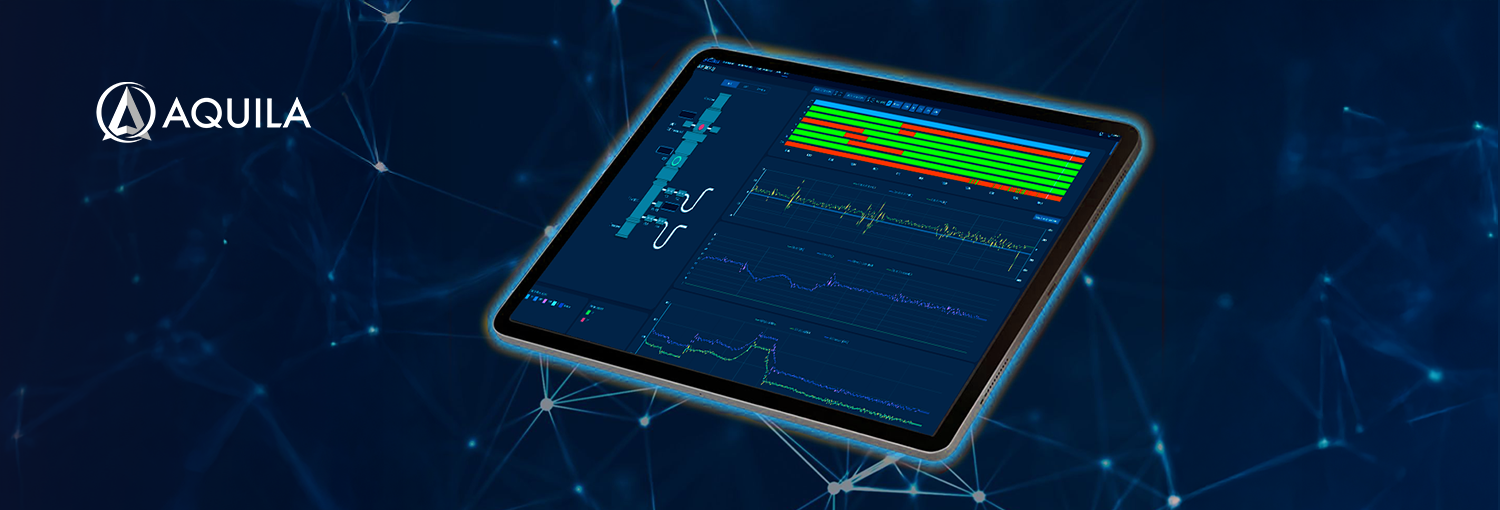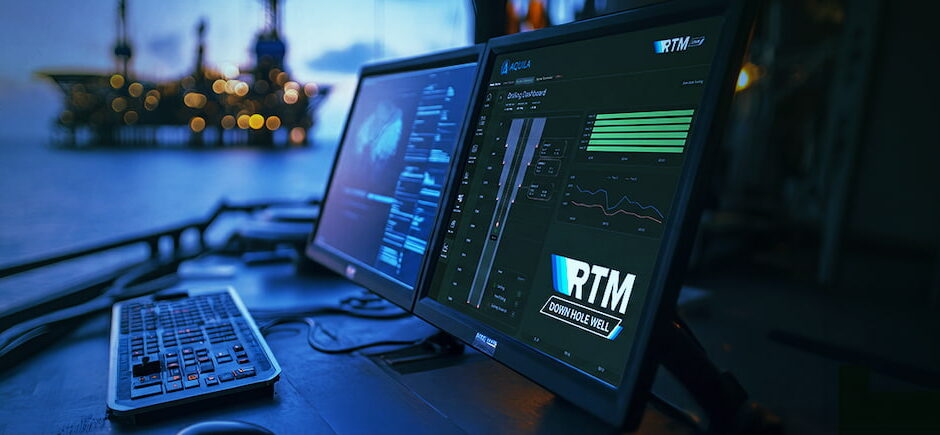
As the oil and gas industry embraces digital transformation, operators are gaining unprecedented efficiency through real-time monitoring, digital BOP testing software, and advanced well integrity solutions. But this evolution comes with a growing concern: cybersecurity. Protecting offshore assets, BOP testing data, and real-time monitoring systems from cyber threats is no longer optional — it’s essential.

blog card

In this blog...

we’ll dive into the key cybersecurity priorities shaping the oil and gas sector today. From offshore rigs to subsea solutions, the industry is increasingly relying on technologies like real-time monitoring systems, digital BOP testing services, and well integrity software. These innovations improve efficiency, reduce downtime, and enhance safety — but they also introduce new cyber vulnerabilities. As operators integrate digital pressure testing for BOPs, BOP test data analysis, and other connected solutions, safeguarding digital infrastructure becomes a critical challenge.
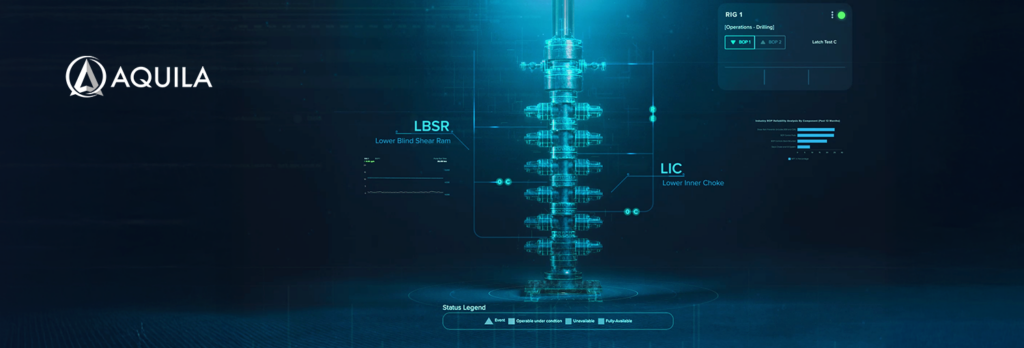
1. Protecting Critical Assets Through Real-Time Monitoring

Operators now depend on real-time monitoring systems to track equipment performance, including BOP engineering, BOP test data analysis, and RTM drilling operations. While these systems bring visibility and efficiency, they also create entry points for cyber threats to oil and gas infrastructure.

Key actions for operators:

  • Implement layered cybersecurity and network security controls around real-time systems.
  • Regularly update and patch monitoring software to prevent exploitation.
  • Use cyber data security protocols that ensure sensitive BOP pressure test and well integrity data remain secure.

    By hardening these systems, operators can protect mission-critical assets and ensure continuous operational reliability.

2. Safeguarding BOP Testing Data and Digital Platforms

With the shift from manual to digital BOP testing software and remote digital pressure testing, operators are gaining higher accuracy and efficiency. Tools like BOP digital assurance, digital BOP testing efficiency, and BOP tracking systems are central to modern subsea operations. However, the increasing reliance on digital solutions also means cybercriminals may target BOP pressure test data or even manipulate results if defenses are weak.

Cybersecurity priorities for digital BOP testing:

  • Encrypt BOP test data analysis and pressure test results to prevent tampering.
  • Apply strict access control for BOP engineers and testing companies.
  • Ensure compliance with API Standard 53 BOP testing procedures within digital environments.
  • Replace outdated circular charts for pressure testing with secure, encrypted digital platforms.

This ensures that BOP testing software and remote digital pressure testing deliver accurate, trustworthy insights while remaining resilient against cyber threats.

3. Building a Culture of Cybersecurity in Oil & Gas Operations

Technology alone cannot secure the digital oilfield. Operators must cultivate a culture where cybersecurity is embedded in daily workflows — from offshore cyber security practices to managing security risks in the oil & gas sector.

Best practices include:

  • Regular cybersecurity training for offshore teams and BOP engineers.
  • Partnering only with BOP testing companies and technology providers that meet global standards, such as ISO 9001:2015 certification.
  • Conducting proactive assessments to identify cybersecurity threats to oil and gas industry infrastructure.
  • Investing in oil & gas cybersecurity frameworks that protect both physical and digital assets.

By focusing on both technology and people, operators can significantly reduce vulnerabilities across the digital oilfield.

Conclusion

The digital oilfield is here to stay — powered by advanced subsea solutions in oil and gas. These tools are transforming operations, but they also bring new cybersecurity challenges. From securing BOP test data to protecting real-time monitoring systems, operators must stay ahead of cyber threats to the oil and gas industry.

Prioritizing data and network security, offshore cyber security, and well integrity software is a necessity. By combining robust technologies with a strong cybersecurity culture, operators can ensure safer, more efficient, and more resilient oilfield operations worldwide.

Managed Pressure Drilling (MPD) is a technique designed to keep well pressure under control in real time. It helps reduce risks, improve efficiency, and make challenging wells more accessible. This article explains the concept of MPD, its importance in offshore drilling, and how digital solutions can contribute to more reliable operations.

blog card

In this blog..

We'll explore how offshore drilling often brings challenges such as narrow pressure windows, unpredictable formations, and strict safety requirements. MPD was developed as a way to deal with these conditions more effectively, providing operators with greater control during drilling. In the sections below, we’ll go through how MPD works, why it is relevant today, and how digital tools can support its application.
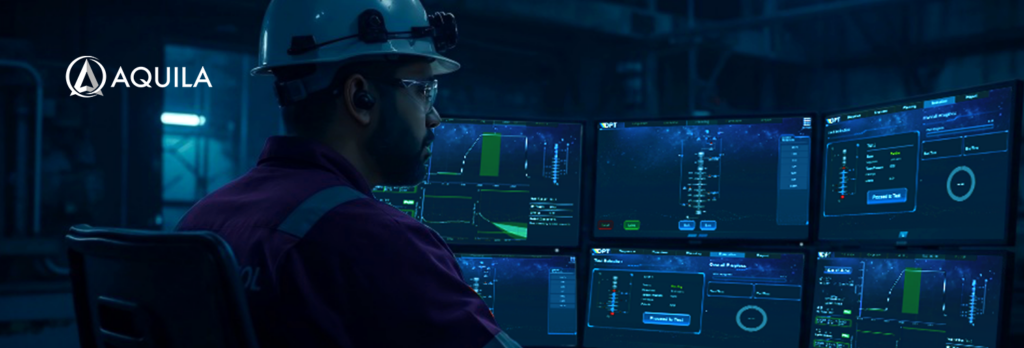
1. What is Managed Pressure Drilling (MPD)?

MPD is a drilling method that focuses on keeping bottomhole pressure within a safe and predictable range. By using surface equipment and real-time monitoring, it allows crews to:

  • Control annular pressure with more precision
  • Adapt quickly to unexpected formation changes
  • Reduce non-productive time (NPT)
  • Improve safety in wells with narrow pressure windows

This makes MPD especially useful in deepwater and high-pressure environments, where conventional methods often face limitations.

2. Why MPD is Relevant for Offshore Drilling

The offshore environment brings technical and safety challenges that require accurate pressure management. MPD helps address these challenges by:

  • Enhancing well control – Reduces the chance of kicks or losses
  • Saving time and costs – Minimizes interruptions during drilling
  • Expanding drilling possibilities – Makes it feasible to operate in more complex reservoirs
  • Supporting real-time decisions – Provides data that helps crews act faster and with more confidence

In practice, MPD gives operators more control and stability when working in unpredictable conditions.

3. How Digital Tools Add Value to MPD


For MPD to be effective, information needs to be accurate and available in real time. Digital solutions can make this process smoother and more consistent. At Aquila, we contribute to this by offering:

  • Digital Pressure Testing - Standardized and automated MPD joint and manifolds pressure test records
  • Real-time Monitoring - Live access to Drilling and MPD parameters for daster decision-making
  • Early Kick Detection (SBP & CML) - Detects influxes using surface back pressure (SBP) and controlled mud line (CML) systems
  • Connection Signature & Flowback Analysis - Evaluates flowback trends to distinguish between normal ballooning and potential formation influxes
  • Real-time Flow path - provides real-time and historical visibility into key parameters and fluid-path status

These solutions are designed to reduce human error, simplify reporting, and provide clarity during critical operations.

Conclusion

Managed Pressure Drilling is a practical approach to improving safety and efficiency in offshore drilling. With the support of digital tools, crews can rely on more accurate information, better workflows, and easier access to essential data.

The offshore oil and gas industry has always relied on skilled professionals to ensure operational safety. Today, the integration of advanced technology — from digital BOP testing services to real-time monitoring systems — is redefining how human factors are managed offshore. This blog explores how humans and machines work together to improve safety, efficiency, and decision-making in high-risk environments.

blog card

In this blog..

we’ll explore the evolving relationship between human expertise and technology in offshore operations. From BOP pressure testing to oil and gas cybersecurity, the connection between people and digital tools is reshaping how we approach safety and operational excellence. Far from replacing the human element, digital solutions are enhancing decision-making, reducing risks, and building resilience in offshore environments.
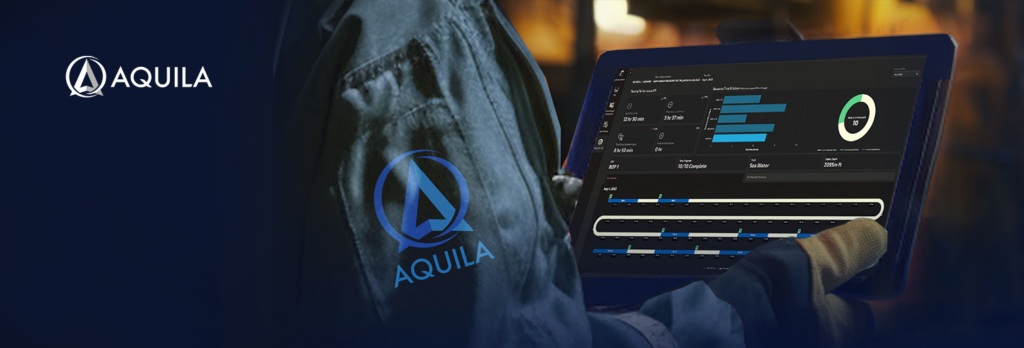
1. Human Factors Meet Digital Transformation

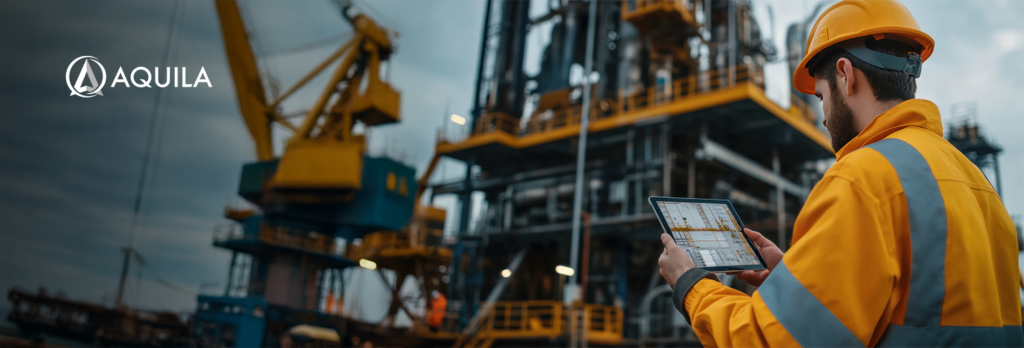
Human error has historically been one of the greatest risks in offshore operations. However, advancements in digital BOP testing software and real-time monitoring have introduced new ways to support BOP engineers and offshore crews.

  • Consistency & Standardization: Tools like digital pressure testing for BOP eliminate the variability of handwritten records by providing accurate, trackable data.
  • Decision Support: BOP testing data analysis and real-time monitoring systems allow teams to identify anomalies instantly, helping crews take corrective action faster.
  • Enhanced Safety: Aligning with API Standard 53 BOP testing, digital workflows ensure that safety-critical procedures like BOP pressure test procedures are performed consistently, minimizing risks tied to human oversight.

The outcome? Human factors are strengthened, not sidelined, by technology.

2. Building Efficiency Through Human + Machine Collaboration

Technology does more than make processes digital; it changes how people work together offshore.

  • Digital Test Validation: Remote execution of drawdown, EDS (Emergency Disconnect Sequence), and function tests, or fully digital local validation, reduces uncertainty, manual effort, cycle time, and personnel exposure on board.
  • Real Time Monitoring and AI: Continuous monitoring, combined with depletion rate analytics and AI assisted troubleshooting, accelerates fault detection and diagnosis. This in turn lowers exposure for subsea crews and onshore support while reducing overtime.
  • Human Technology Integration: Aligning human expertise with state of the art tools strengthens process safety, sharpens risk assessment, and prevents failures. The result is less rework and fewer equipment faults, with the potential to avoid major downtime events such as unplanned BOP stack pulls.

By bridging the gap between people and machines, offshore teams experience improved operational flow without compromising on safety.

3. Real Results: Efficiency, Safety, and Smarter BOP Testing

As offshore rigs become more digitally connected, the human factor is increasingly tied to cybersecurity. Protecting both people and systems is vital.

  • Oil and Gas Cybersecurity: With the rise of cyber threats to the oil and gas industry, safeguarding real-time data streams and monitoring platforms is crucial for preventing disruptions.
  • Network Security for Operations: From well integrity software to subsea solutions in oil and gas, strong data and network security practices protect critical systems that humans depend on daily.
  • Resilience & Compliance: By adhering to standards like ISO 9001:2015 certification, offshore operators can demonstrate a commitment to safe, reliable, and secure digital operations.

In short, cybersecurity in oil and gas is not just about technology — it’s about enabling people to work confidently in a secure environment.

Conclusion

The future of offshore operations lies in the balance between human expertise and digital innovation. By combining the judgment and adaptability of people with the precision of BOP testing software, real-time monitoring systems, and strong oil and gas cybersecurity practices, the industry is building a safer, more efficient, and more resilient offshore environment.

Technology doesn’t replace human factors; it amplifies them — ensuring that offshore professionals can make faster, safer, and smarter decisions in one of the world’s most challenging industries.

Let's Chat