
As the oil and gas industry embraces digital transformation, operators are gaining unprecedented efficiency through real-time monitoring, digital BOP testing software, and advanced well integrity solutions. But this evolution comes with a growing concern: cybersecurity. Protecting offshore assets, BOP testing data, and real-time monitoring systems from cyber threats is no longer optional — it’s essential.
we’ll dive into the key cybersecurity priorities shaping the oil and gas sector today. From offshore rigs to subsea solutions, the industry is increasingly relying on technologies like real-time monitoring systems, digital BOP testing services, and well integrity software. These innovations improve efficiency, reduce downtime, and enhance safety — but they also introduce new cyber vulnerabilities. As operators integrate digital pressure testing for BOPs, BOP test data analysis, and other connected solutions, safeguarding digital infrastructure becomes a critical challenge.
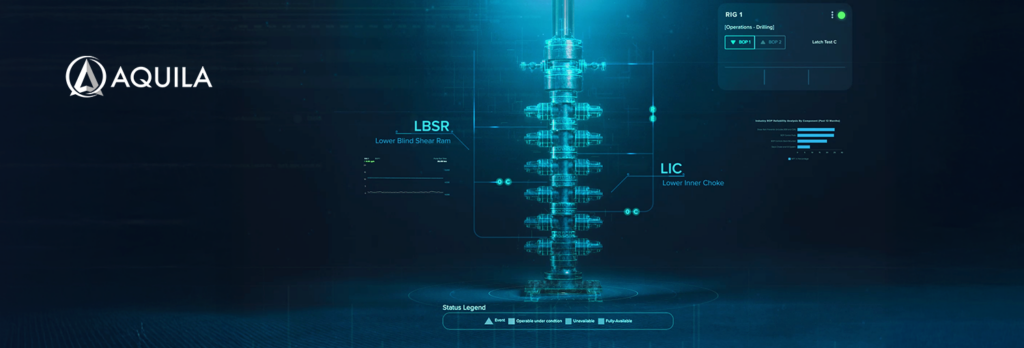
Operators now depend on real-time monitoring systems to track equipment performance, including BOP engineering, BOP test data analysis, and RTM drilling operations. While these systems bring visibility and efficiency, they also create entry points for cyber threats to oil and gas infrastructure.
Key actions for operators:
With the shift from manual to digital BOP testing software and remote digital pressure testing, operators are gaining higher accuracy and efficiency. Tools like BOP digital assurance, digital BOP testing efficiency, and BOP tracking systems are central to modern subsea operations. However, the increasing reliance on digital solutions also means cybercriminals may target BOP pressure test data or even manipulate results if defenses are weak.
Cybersecurity priorities for digital BOP testing:
This ensures that BOP testing software and remote digital pressure testing deliver accurate, trustworthy insights while remaining resilient against cyber threats.
Technology alone cannot secure the digital oilfield. Operators must cultivate a culture where cybersecurity is embedded in daily workflows — from offshore cyber security practices to managing security risks in the oil & gas sector.
Best practices include:
By focusing on both technology and people, operators can significantly reduce vulnerabilities across the digital oilfield.
The digital oilfield is here to stay — powered by advanced subsea solutions in oil and gas. These tools are transforming operations, but they also bring new cybersecurity challenges. From securing BOP test data to protecting real-time monitoring systems, operators must stay ahead of cyber threats to the oil and gas industry.
Prioritizing data and network security, offshore cyber security, and well integrity software is a necessity. By combining robust technologies with a strong cybersecurity culture, operators can ensure safer, more efficient, and more resilient oilfield operations worldwide.