Faster detection. Sharper judgment. Neither works at its best without the other.

Digital tools have transformed how operators track BOP performance — and the results are real: faster testing, fewer manual interventions, and visibility into system health that simply didn't exist a decade ago. This blog looks at how Aquila combines that technology with field-proven engineering to deliver a level of reliability neither could reach alone.

blog card

In this blog...

we'll explore how digital BOP testing has accelerated offshore operations, how real-time monitoring sharpens the decisions engineers make, and how Aquila pairs the two to protect well integrity from surface to subsea.
1. The Rise of Digital BOP Testing

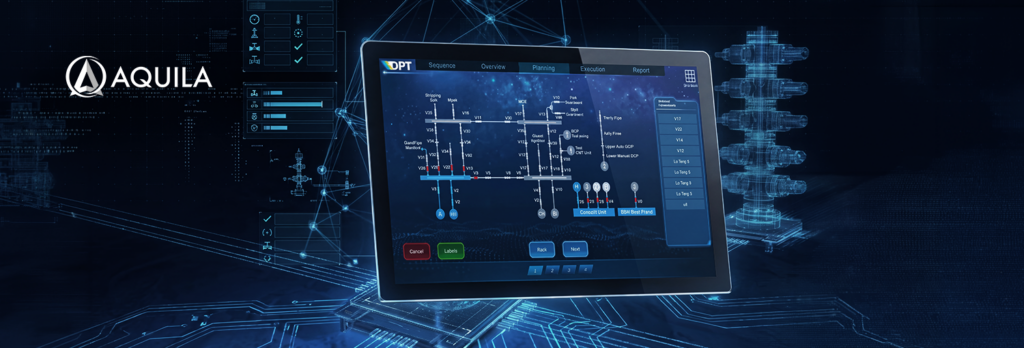
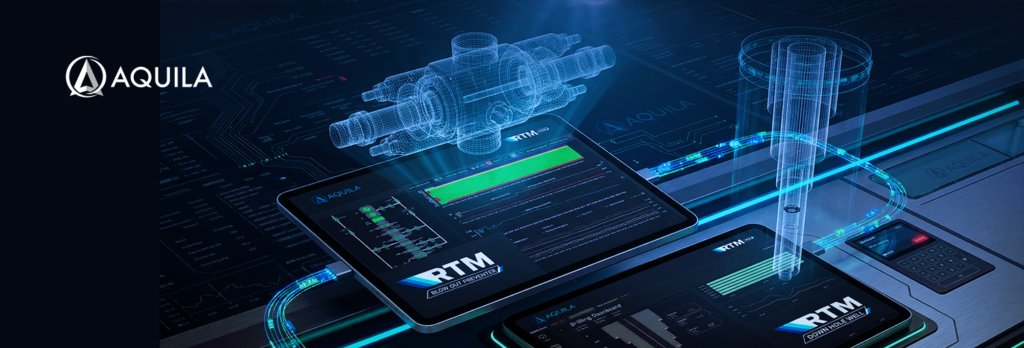
Over the past decade, digital BOP testing software has replaced much of the manual, paper-based process that once defined well control verification. Circular chart for pressure testing recorders — long the industry standard — are giving way to remote digital pressure testing, which captures BOP test data electronically and validates it against API Standard 53 BOP testing requirements in real time.

Real-time monitoring systems now give BOP engineering teams continuous visibility into critical parameters:

  • BOP pressure testing results, logged and tracked automatically
  • BOP drawdown test data, showing how quickly hydraulic pressure decreases
  • BOP tracking across function tests, maintenance status, and OEM communications

The impact is measurable. Digital BOP testing efficiency means shorter test cycles, faster leak detection, and a full digital record ready for audit — work that used to take hours now happens in real time.

2. Why Speed and Judgment Both Matter

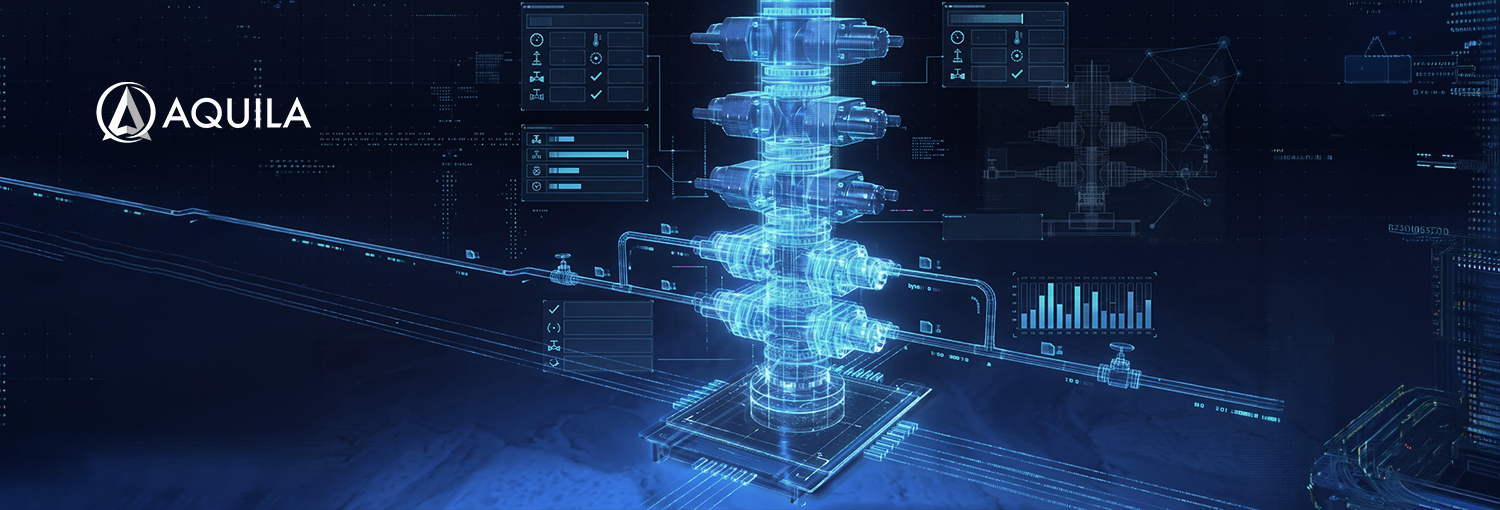
Technology's job is to get engineers to the answer faster. A well integrity software platform can surface an anomaly the moment it appears — a shift in BOP test data analysis, an unexpected reading in a BOP pressure test procedure — long before a scheduled check would have caught it.

That speed is what makes the next step possible. With the data already flagged and quantified, Aquila's engineers can move straight to the decision that matters:

  • Confirming whether a pressure shift points to an early leak signature
  • Identifying which BOP components are most exposed under current operating conditions
  • Deciding, in real time, whether to act immediately or monitor through the next window

Technology narrows down where to look. Field experience determines what it means — and the two happen almost simultaneously, not in sequence.

3. How Aquila Puts Both to Work

This is the model Aquila's field engineers operate on every day: real-time monitoring data paired with decades of hands-on subsea and well control experience, working together rather than one compensating for the other.

When BOP test data analysis surfaces a shift, the system has already done the heavy lifting — isolating the signal — so the engineer can focus entirely on diagnosis and response. It's this combination — digital BOP assurance accelerating detection, field expertise sharpening every call — that has allowed our teams to catch failures other monitoring setups would have missed, and resolve them before the BOP is even deployed subsea.

Conclusion

Digital BOP testing and real-time monitoring haven't just made offshore operations more transparent — they've made expert judgment faster and more precise. The operators who stay safest won't be choosing between technology and experience. They'll be the ones who never separated the two.

The offshore oil and gas industry has already moved beyond the early adoption phase of digitalization. Real-time monitoring, digital pressure testing, and independent third-party verification are transforming operational data into engineering decisions, making offshore operations safer, more efficient, and more predictable. As a result, the role of the field engineer has become increasingly strategic—not less, but more focused on technical decision-making.

blog card

Setting the Standard for Offshore Work with Aquila Engineering

At Aquila Engineering, we deliver field-proven services built for offshore operations — Real-Time Monitoring (RTM), Digital Pressure Testing (DPT), and Independent Third-Party (I3P) authority. These aren't emerging concepts; they're the operational backbone of how leading operators manage BOP reliability and well control today. In this article, we walk through how automation and digitalization are shaping offshore work — and how your team can stay ahead.
1. The Digital Standard for Offshore Operations

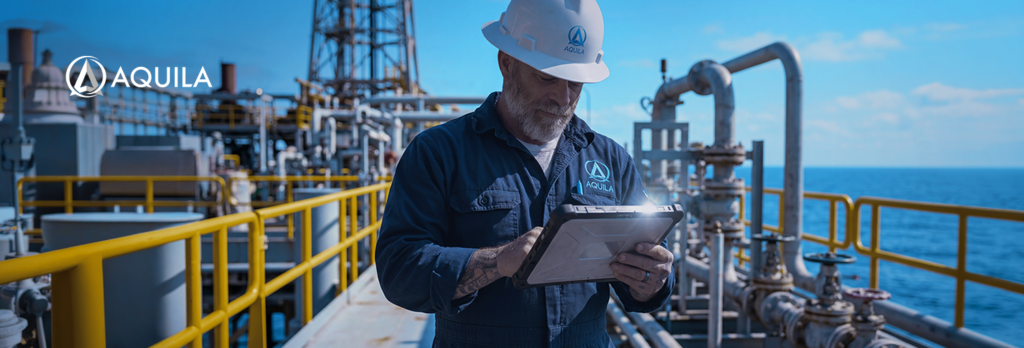
Offshore operations have entered a phase where digital-enabled services are optimizing every aspect of rig performance — not as a future promise, but as current practice.

Key services driving this shift:

  • Digital Pressure Testing (DPT): Modernizes BOP pressure testing, reduces human error, and ensures standardized, regulation-compliant reporting for offshore and land operations.
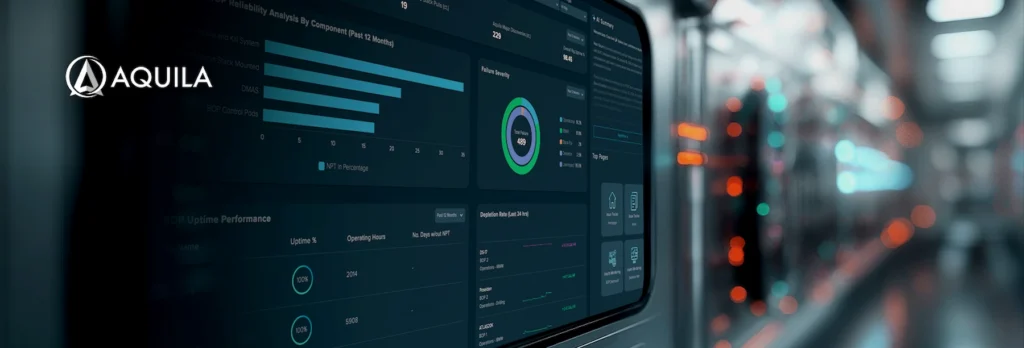
  • Real-Time Monitoring (RTM): Enables teams to track BOP and downhole equipment status and operational conditions remotely, from onshore control rooms.
  • BOP Tracking and Test Data Analysis: Delivers deep visibility into component performance, improves maintenance planning, and reduces non-productive time (NPT).
  • I3P Independent Verification: Provides impartial, third-party assessment of BOP reliability — giving operators and regulators confidence that comes from independence, not just data.

2. The Evolving Role of the BOP Engineer

Automation and digitalization don't eliminate the role of the BOP engineer — they sharpen it.

Here's how the role is evolving:

  • Data Analysis & Decision Support: Engineers now focus on interpreting RTM and DPT data to validate results and confirm safety margins.
  • System Oversight: Even the most automated processes require technical supervision on-site to catch anomalies and respond in real time.
  • Field Integration: Engineers are directly involved in deploying and optimizing digital testing and monitoring services on the rig.
  • Mentorship & Training: As digital tools become standard, experienced engineers play a critical role in training and guiding offshore teams through the transition.

At Aquila Engineering, our services are designed to make technical expertise more impactful — not to replace it. Independence, field credibility, and deep BOP knowledge remain the foundation.

3. Benefits and Challenges of Offshore Digital Transformation

Adopting RTM, DPT, and I3P services delivers measurable gains, but it also requires operational readiness and team alignment.

Benefits:

  • Reduced testing time and cost through digital pressure testing.
  • Improved safety through real-time, remote monitoring.
  • Smarter decision-making backed by reliable test data and independent verification.

Challenges:

  • Training and change management when adopting new service workflows.
  • Increased demand for data security as more systems come online.
  • The need to redefine roles for teams involved in BOP engineering and operations.

At Aquila Engineering, we address these challenges through hands-on field support, regulatory fluency (BSEE, DNV, API), and services designed to integrate directly into existing rig operations.

Conclusion

At Aquila Engineering, we believe the future of offshore operations is built by combining engineering expertise with reliable digital technologies. By connecting real-time monitoring, digital pressure testing, and independent verification, operators gain greater operational visibility, stronger reliability, and more informed engineering decisions throughout the entire life of the BOP. 

In the demanding world of subsea oil and gas operations, the reliability and compliance of Blowout Preventers (BOPs) are critical to ensuring the safety and success of drilling projects. With a team of industry-recognized experts, highly trained specialists, and field engineers, Aquila Engineering is uniquely equipped to address the challenges of subsea operations. By focusing on the critical aspects of BOP functionality and compliance, Aquila has developed a reputation for minimizing downtime and optimizing the performance of subsea equipment across the globe.

blog card

In this blog...

We explore how Aquila Engineering’s Field Service Engineers are helping operators improve BOP compliance, strengthen well integrity, optimize BOP testing operations, and reduce operational risk through hands-on expertise, digital BOP testing software, real-time monitoring systems, and industry-leading support.

From assisting with BOP pressure testing and BOP tracking to supporting API Standard 53 BOP testing requirements, our FSEs are trusted partners on offshore rigs worldwide. Their ability to combine technical expertise, operational awareness, and strong communication ensures our clients maintain safer and more efficient drilling operations.

1. Field Expertise That Enhances BOP Reliability

In offshore drilling, every detail matters. Aquila’s FSEs work side-by-side with operators and contractors to ensure BOP systems are fully prepared, compliant, and operationally ready before and during critical well control activities.

Our Field Service Engineers actively support:

  • BOP tracking and reporting

  • BOP test data analysis

  • Real-time monitoring

  • Digital Pressure Testing for BOP systems

  • API Standard 53 BOP testing compliance

What sets Aquila apart is the proactive approach our engineers bring to every operation. Rather than simply observing testing activities, our team becomes integrated into operational planning and execution.

One operator shared:

“When Mr. Terry is on location, I never have to worry if he is up to speed with operations and whether or not he is ready for any upcoming work. He makes it a point to always check in with the foreman to confirm the planned operations for the day.”

This level of operational awareness allows Aquila engineers to anticipate issues before they become costly downtime events or compliance concerns.

Another client noted:

“Picked up on a valve that wasn't incorporated in a BOP test.”

Attention to detail like this is critical for maintaining BOP reliability and ensuring testing procedures align with regulatory expectations and operational safety standards.

2. Aquila’s Expertise and Global Support in Subsea Operations

Aquila Engineering’s subsea division specializes in a wide range of well-control equipment. With unmatched expertise in these systems, Aquila’s field engineers and specialists bring +19 years of experience and a deep understanding of subsea operations, enabling them to provide unparalleled support for clients in the oil and gas industry.

Our single-minded obsession with detail sets us apart: focusing not just on the basics, but on the finer aspects of BOP maintenance, verification, and compliance. This meticulous approach ensures that all equipment operates at peak efficiency and meets the highest safety and regulatory standards.

Deployed across the globe, Aquila’s field engineers offer expert support in diverse offshore regions, from the Gulf of Mexico to the North Sea and other remote locations. Regardless of where our clients operate, our ability to work seamlessly with rig personnel ensures they receive top-tier subsea support, maintaining consistent, high-quality service worldwide.

One client summarized the Aquila experience best:

“You provide the best service an operator could ask for, always in the right place at the right time ready to provide support.”

That commitment to reliability, professionalism, and operational excellence is what continues to make Aquila Engineering a trusted partner across the offshore energy sector.

3. Strengthening Compliance, Safety, and Operational Trust

Regulatory compliance is a critical component of offshore drilling operations. Aquila’s Field Service Engineers help operators navigate increasingly complex compliance requirements while maintaining operational continuity.

Our teams assist in identifying:

  • Regulatory gaps

  • Documentation inconsistencies

  • Testing procedure deviations

  • Equipment readiness concerns

  • Operational risks related to BOP systems

By maintaining close collaboration with offshore personnel, Aquila engineers create stronger transparency and accountability across operations.

A client recently shared:

“Mr. Flowers has also been key in identifying points of regulatory impact concerning BOP system equipment and records as well as communicating same to client.”

Conclusion

Our Field Service Engineers are more than technical specialists, they are trusted operational partners dedicated to improving BOP reliability, enhancing BOP compliance, and supporting safer offshore drilling operations.

By combining field expertise with digital BOP testing solutions, real-time monitoring systems, well integrity software, and modern oil and gas technologies, Aquila continues to help operators improve efficiency, reduce operational risk, and maintain confidence in critical well control systems.

As the offshore industry continues evolving through digital transformation, Aquila Engineering remains committed to delivering innovative solutions that strengthen safety, compliance, and operational performance worldwide.

Let's Chat