Managed Pressure Drilling (MPD) is transforming how the oil and gas industry approaches well control, safety, and efficiency. By integrating real-time monitoring systems, advanced analytics, and digital pressure testing, operators can maintain precise control over bottomhole pressure, reduce risks, and optimize performance. In this blog, we explore the fundamentals of MPD and how Aquila’s digital platform enhances operations through intelligent, data-driven solutions.
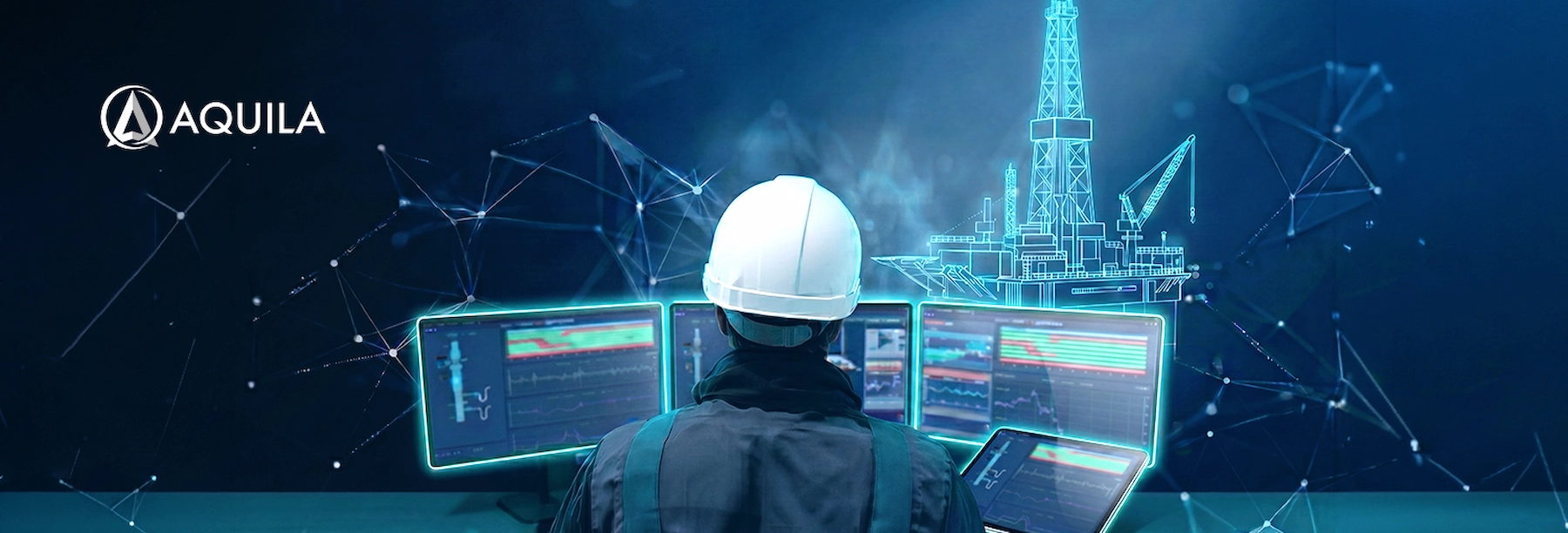
we’ll break down what Managed Pressure Drilling (MPD) is, why it plays a critical role in modern drilling operations, and how digital technologies—such as real-time monitoring, AI-driven analytics, and digital BOP testing—are redefining operational awareness. We’ll also take a closer look at how Aquila’s Oculus platform brings a new level of visibility, safety, and efficiency to MPD environments.
Managed Pressure Drilling (MPD) is a precision drilling technique designed to maintain bottomhole pressure within a safe and controlled window. Unlike conventional drilling, MPD uses closed-loop systems and real-time monitoring to dynamically adjust pressure profiles throughout operations.
This approach is essential for:
MPD is particularly effective in complex environments where narrow pressure margins demand constant attention. With the integration of real-time monitoring systems and well integrity software, operators gain continuous insight into well behavior, enabling faster and more informed decision-making.
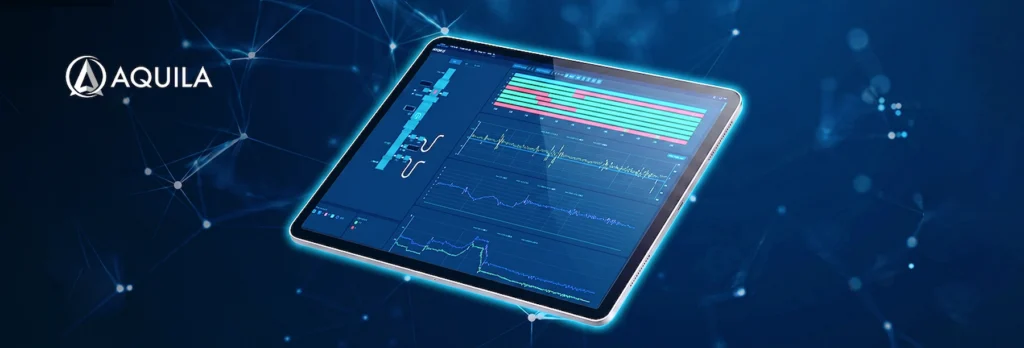
Aquila elevates MPD operations through its advanced digital platform, delivering full transparency and actionable insights across all stages of drilling and completion.
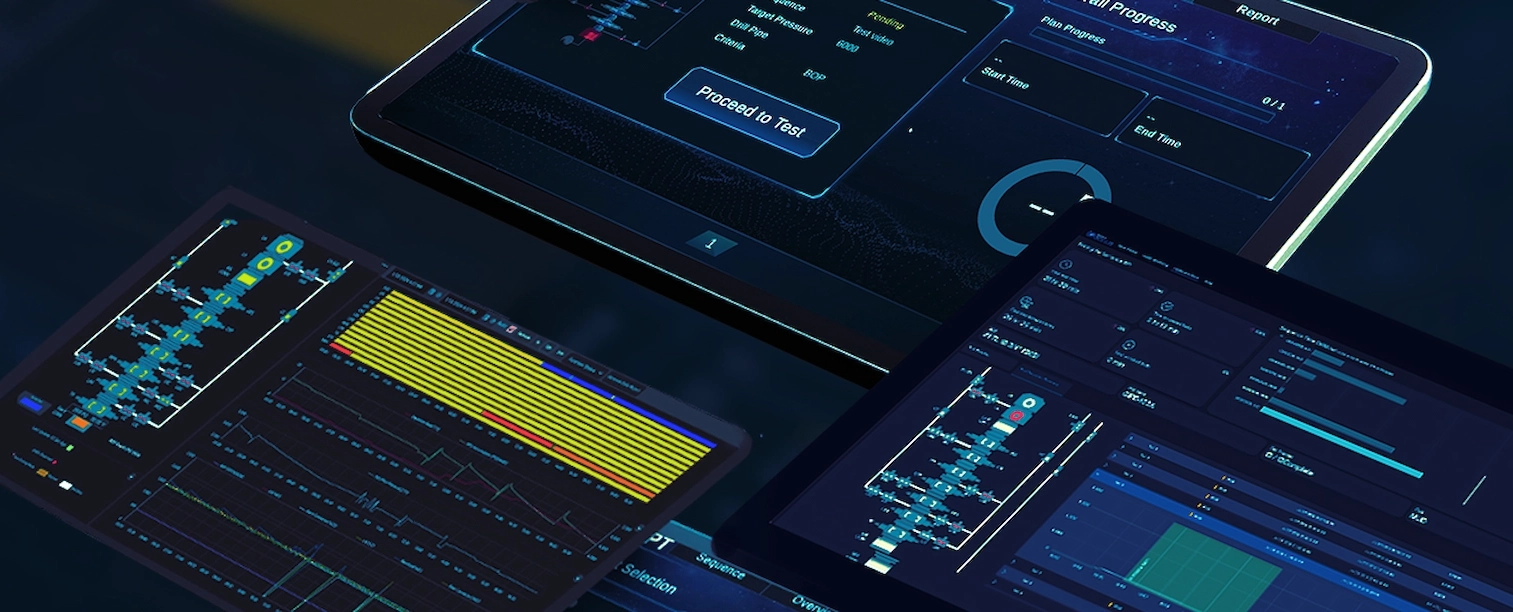
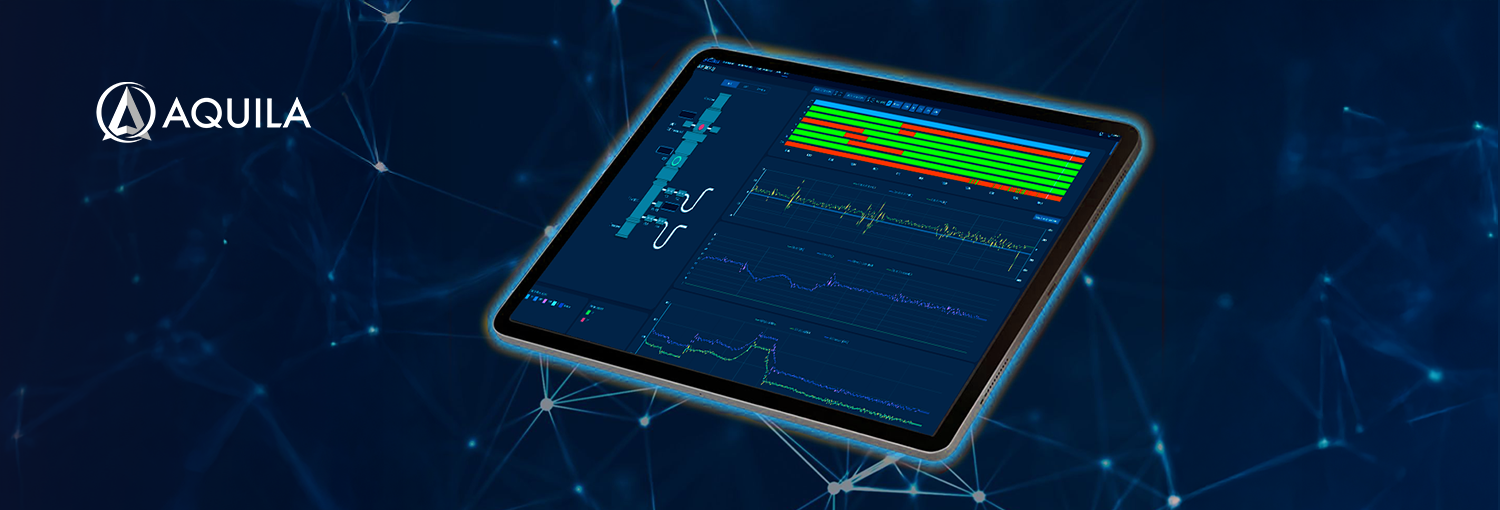
At the core of this system are real-time MPD dashboards, which provide:
This level of visibility supports more efficient digital BOP testing, improves bop tracking, and strengthens overall well integrity software capabilities.

Aquila’s MPD solution goes beyond monitoring by integrating artificial intelligence (AI) and advanced analytics to detect patterns, predict risks, and guide decision-making.
Key capabilities include:
– Connection start and end
– Active drilling periods
– Pipe movement (in/out slips)
– Bit position (on/off bottom)
– Drill string rotation
Together, these capabilities strengthen remote digital pressure testing, enhance bop pressure testing procedures, and support safer, more efficient operations across offshore environments.
Managed Pressure Drilling is no longer just a specialized technique—it is becoming a standard for safer, more efficient drilling operations. As the industry continues to evolve, the integration of real-time monitoring, AI-driven analytics, and digital pressure testing will be essential to maintaining control, reducing risk, and maximizing performance.
Aquila’s digital MPD platform represents this next step forward—combining visibility, intelligence, and automation to empower teams with the insights they need, exactly when they need them. From improving MPD testing data analysis to enabling smarter decision-making in real time, Aquila is helping shape the future of oil and gas technologies.
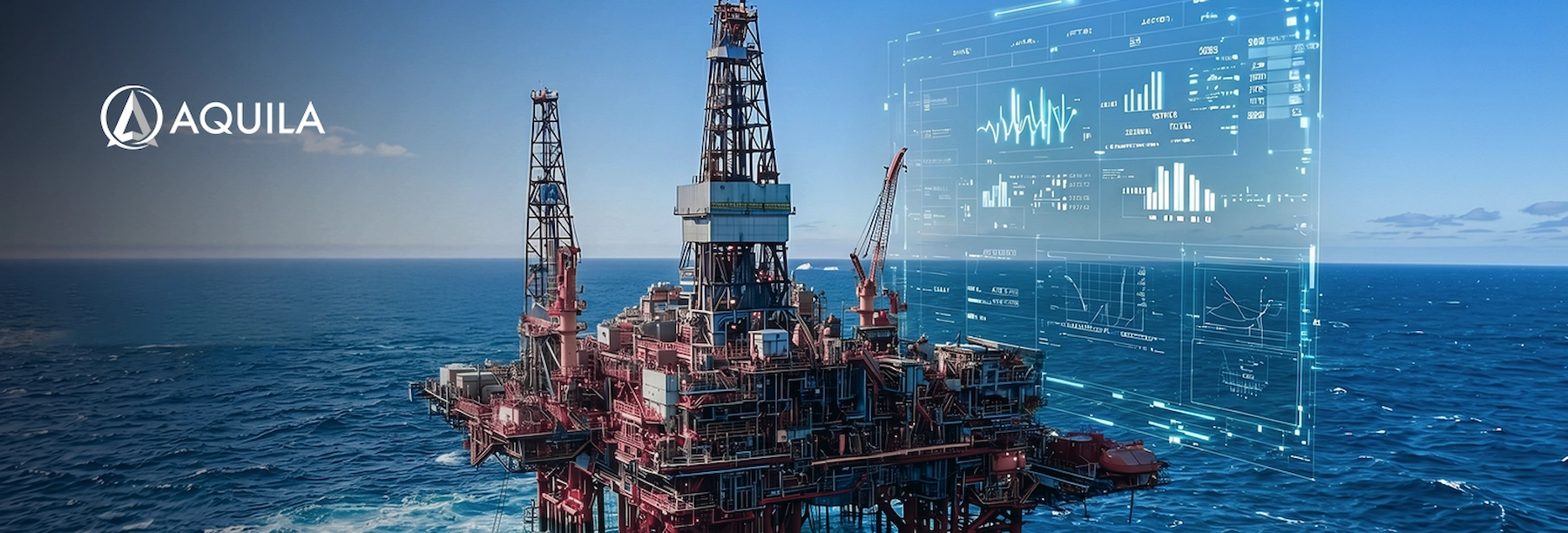
Human error has long been a critical challenge in offshore operations, impacting safety, efficiency, and asset integrity. As the industry evolves, integrating digital technologies like real-time monitoring systems, AI, and digital BOP testing it’s essential. Traditional, manual processes leave too much room for inconsistency, delayed responses, and missed signals. In an environment where every second and every decision matters, that gap is no longer acceptable.
we explore how offshore operations can move beyond these limitations by combining engineering expertise with digital tools. From improving BOP testing efficiency to enabling real-time visibility across critical systems, the shift toward digital operations is redefining how decisions are made offshore — faster, more accurately, and with far greater confidence.
Offshore environments are complex, high-risk, and data-intensive. Traditional processes — often manual and reactive — leave room for human error, especially in critical activities like BOP pressure testing, bop test data analysis, and bop tracking.
Key challenges include:
Even when following standards like API Standard 53 BOP testing, human dependency can lead to inefficiencies and overlooked risks.
The shift toward digital is what stands out in offshore performance. Technologies allow operators to move from reactive to predictive operations.
What digital integration delivers:
This is where Aquila stands apart — using digital tools fully integrated with AI to transform complex BOP data into real-time, actionable intelligence.
Collecting data is no longer the challenge in offshore operations. The real challenge is turning that data into decisions — fast, precise, and reliable under pressure.
With digital tools fully integrated with AI, operators can move beyond fragmented information and start operating with true clarity. Instead of reacting to isolated data points, they gain a continuous, contextual understanding of what’s happening across critical systems.
This is where Aquila stands apart — not just collecting data, but structuring, interpreting, and validating it through AI-driven digital systems.
Aquila stands out among other companies by combining engineering expertise with cutting-edge technology. Whether you're analyzing pressure patterns during a test or monitoring equipment status remotely, our software helps ensure the right decision.
Technology, and specially AI, is no longer a futuristic add-on in offshore. In an industry where precision and reliability are critical, the future belongs to those who combine engineering expertise with intelligent digital systems — creating safer, smarter, and more efficient offshore operations
Preventive maintenance is redefining how critical well control equipment is managed in offshore and industrial environments. This blog explores how condition-based maintenance (CBM), supported by Digital BOP Assurance (DBA), enables real-time monitoring, advanced analytics, and predictive insight to reduce downtime, extend equipment lifespan, and improve operational safety. By combining engineering expertise, data-driven intelligence, and AI-supported analysis, this approach delivers measurable results across BOP testing, pressure testing, and well integrity management.
we explore how advanced BOP maintenance technologies are enabling a new approach to industrial maintenance—one that prioritizes prediction over reaction. In heavy machinery operations, particularly in oil and gas, the ability to anticipate equipment failure before it occurs represents a major step forward in operational efficiency and risk mitigation.
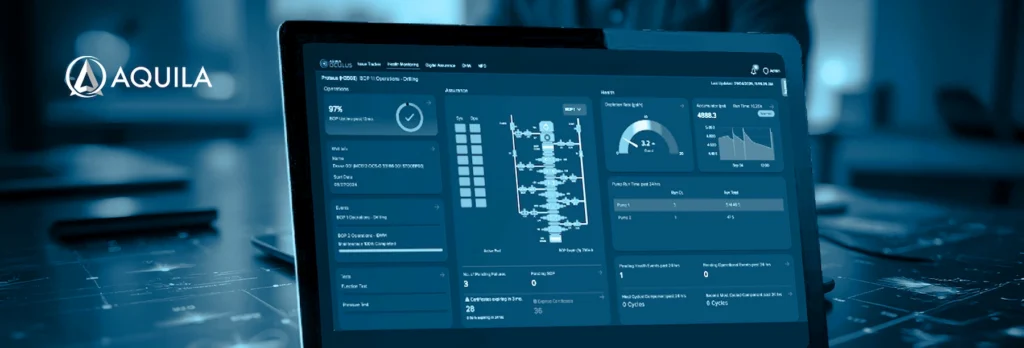
Traditional BOP maintenance programs often rely on fixed schedules or reactive interventions. While common, these approaches can lead to unnecessary maintenance activities or unexpected failures that disrupt operations and increase costs.
Condition-based maintenance introduces a more efficient and data-driven method by continuously assessing equipment health through real-time monitoring and analytics.
Key advantages of CBM include:
Aquila’s Digital BOP Assurance applies an integrated approach that combines real-time data acquisition, advanced analytics, and AI-supported models to predict equipment behavior.
DBA technology leverages:
The application of digital BOP testing services and predictive analytics delivers proven benefits across multiple operational dimensions.
Operational and financial benefits include:
The future of BOP maintenance lies in evolving from traditional maintenance models to predictive, data-driven strategies grounded in engineering insight. Digital BOP Assurance represents a leader in proved performance by combining real-time monitoring, AI, and BOP engineering expertise into a scalable and reliable framework.
As oil and gas technologies continue to advance, predictive maintenance supported by digital BOP testing efficiency and well integrity software will play a central role in supporting safe, compliant, and high-performing operations.
By adopting this integrated approach, operators position themselves for measurable results—enhancing reliability, improving safety, and strengthening operational decision-making over time.
For decades, Blowout Preventer (BOP) testing has followed rigid schedules designed in an era when real-time system insight simply did not exist. While these procedures were essential for verifying well control capability, modern technology now allows the industry to rethink how BOP assurance, BOP pressure testing, and system reliability are evaluated.
we explore Aquila’s new approach centered on performing BOP function testing every 14 days while extending BOP pressure testing to 28 days. Supported by digital BOP testing software, modern analytics, and real-time monitoring systems, this model maintains safety while improving reliability and reducing unnecessary stress on critical BOP components.
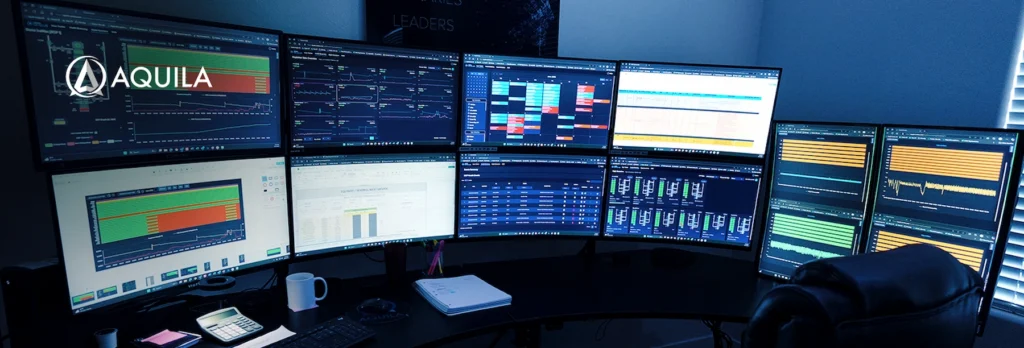
Traditional BOP pressure test procedures often involve frequent high-pressure cycles designed to verify sealing integrity and operational readiness. However, these cycles also introduce mechanical stress across seals, valves, and regulators.
An optimized testing model proposes:
This approach maintains verification of well control capability while reducing the number of high-pressure cycles applied to the system.
Reducing excessive pressure cycling can support digital BOP testing efficiency by limiting mechanical fatigue on critical components while still meeting API Standard 53 BOP testing verification requirements.
For BOP engineers and drilling teams, this balanced testing approach allows operational verification without unnecessarily increasing wear on the equipment.
One of the most important developments in modern BOP engineering is the ability to capture and analyze test performance through digital BOP testing software rather than relying only on manual reporting.
With digital BOP testing services, function tests can capture key performance indicators such as:
These data points enable deeper BOP testing data analysis, helping engineers detect early signs of equipment degradation. For example:
Instead of recording simple pass/fail results, digital BOP testing software enables engineers to analyze trends over time, creating a more comprehensive understanding of BOP system health.
Beyond scheduled BOP tests, modern real-time monitoring systems allow operators to observe system behavior continuously.
One important performance indicator is BOP drawdown or depletion rate, which measures how quickly hydraulic pressure decreases within the system. Monitoring this parameter through RTM drilling systems can help detect:
When integrated with BOP tracking platforms and well integrity software, these insights provide engineers with continuous system visibility.
Combining digital pressure testing BOP data, circular chart for pressure testing analysis, and real-time system monitoring helps operators break traditional data silos that often exist between rig systems, testing reports, and engineering teams.
The result is a more connected environment where BOP testing companies, drilling contractors, and operators can evaluate system performance with greater clarity
Modern BOP engineering practices are evolving as digital technologies become more integrated into offshore operations.
By combining 14-day BOP function testing, 28-day BOP pressure testing, Digital BOP testing services, Remote digital pressure, testing Real-time monitoring systems, and BOP tracking and advanced BOP testing data analysis, operators can gain deeper insight into BOP system integrity and availability.
This data-driven approach to BOP testing supports improved reliability, reduces unnecessary equipment stress, and provides engineers with stronger visibility into the performance of one of the most critical safety systems in offshore drilling.
With digital monitoring and analytics, the BOP evolves from a system verified only during scheduled tests into one that can be continuously understood and evaluated through data.
Digital transformation in energy operations is evolving beyond automation. While tools like real-time monitoring systems, AI, and digital BOP testing software improve efficiency, long-term operational performance depends on digital reliability. This blog explores how reliable data, integrated systems, and human-centered design support safer, more consistent, and confident decision-making in complex and high-risk energy environments.
we explore why automation alone is not enough for modern energy operations. We discuss how a culture of digital reliability supports operational confidence, strengthens BOP testing processes, improves real-time monitoring, and enables measurable results across drilling, well integrity, and compliance-driven environments.
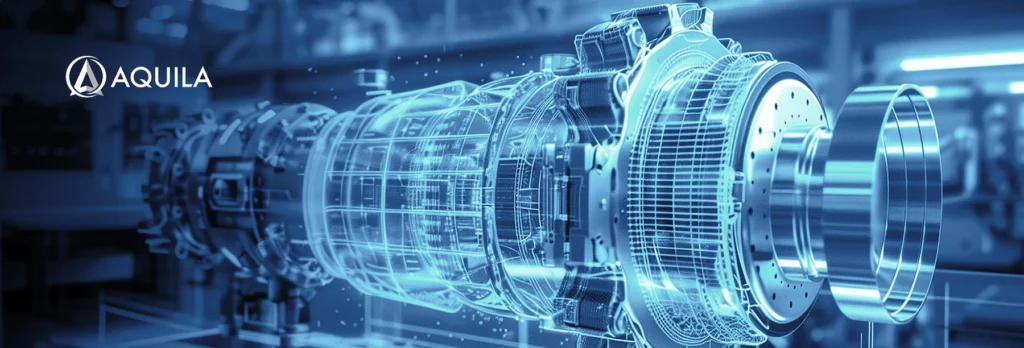
Automation has become common across oil and gas technologies, from real-time monitoring systems to digital pressure testing for BOP operations. These systems reduce manual effort, accelerate reporting, and standardize workflows. However, automation without reliability can introduce operational risk.
In environments where BOP pressure testing, drawdown tests, and API Standard 53 BOP testing are critical, teams need more than automated outputs. They need confidence in the data behind every decision.
Digital reliability focuses on:
Without this foundation, automation becomes efficient but fragile, especially in high-consequence operations.
In BOP engineering and digital BOP testing services, reliability is closely tied to consistency, auditability, and operational alignment. A reliable digital environment supports both real-time monitoring and long-term assurance.
In practice, digital reliability enables:
By linking real-time monitoring with structured digital workflows, organizations move from basic visibility to BOP digital assurance.
Technology alone does not deliver reliability. Engineers, operators, and leadership interact with digital systems differently, especially in offshore and subsea solutions for oil and gas.
A culture of digital reliability also considers:
By integrating cybersecurity oil and gas industry practices into digital operations, organizations mitigate risk while supporting operational continuity and confidence.
Automation improves efficiency. Digital reliability supports operational confidence.
For organizations operating in regulated, high-risk energy environments, the evolution of digital transformation is not about adding more tools. It is about adopting an integrated approach that aligns digital systems with real operations, supports well integrity software, strengthens BOP testing processes, and delivers measurable results over time.
At Aquila, we help energy operators move beyond automation by designing digital solutions tested on the field — combining real-time monitoring, digital BOP testing software, AI, and cybersecurity practices to support consistent execution, compliance, and long-term operational resilience.
In high-stakes drilling environments, relying on reactive approaches to BOP compliance introduces unnecessary risk. As operational complexity increases and regulatory expectations evolve, traditional BOP testing methods struggle to deliver the consistency, visibility, and traceability required today.
We will explore how digital assurance and real-time monitoring support a more proactive approach to BOP compliance. We also look at how tools such as Digital BOP Assurance (DBA) help operators align with API Standard 53 through structured data, automation, and engineering-driven oversight.
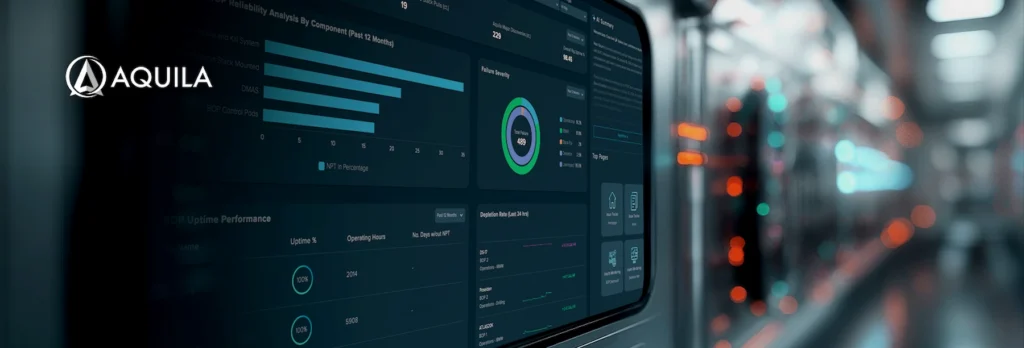
Conventional BOP testing workflows still rely heavily on manual execution and periodic reviews. This approach often results in:
API Standard 53 establishes baseline requirements for BOP function and pressure testing, supporting equipment readiness and operational integrity. While compliance remains essential, achieving it through manual processes alone becomes increasingly inefficient as operational demands grow.
Digital BOP Assurance (DBA), developed by Aquila Engineering, supports an evolving compliance model—one that shifts from reactive validation to proactive oversight.
Key capabilities include:
Through an integrated approach, digital assurance supports operational efficiency while reducing exposure to inspection findings, rework, and unplanned events.
As drilling operations continue to evolve, digital services like DBA support both engineering rigor and regulatory alignment:
These tools are tested in the field and designed to support high levels of operational consistency while keeping teams audit-ready.
Digital assurance goes beyond meeting regulatory requirements. It enables a more structured, transparent, and efficient approach to BOP testing and compliance management.
Platforms like Digital BOP Assurance (DBA) help engineering teams move away from fragmented workflows toward an integrated, data-driven compliance model aligned with API Standard 53. The result is reduced risk, measurable results, and improved operational confidence.
For operators seeking to optimize BOP testing processes and support evolving regulatory expectations, digital assurance represents a practical and proven path forward.
Aquila PLUS is an all-in-one digital service package that unifies Real-Time Monitoring (RTM), Digital BOP Assurance (DBA), and Digital Pressure Testing (DPT) into a single, coordinated platform built for drilling operators and contractors.
we highlight how Aquila PLUS strengthens operational consistency, improves oversight, and provides the data-driven support your teams rely on—backed by specialized BOP engineers and validated in real offshore environments.
Aquila PLUS is a comprehensive digital framework for managing subsea reliability. By combining three established technologies in a cohesive environment, it gives drilling contractors greater visibility and control across critical BOP functions.
RTM — Continuous oversight of subsea equipment supports early anomaly detection, timely intervention, and improved equipment availability.
DBA — A data-informed approach that leverages historical and real-time testing insights to identify trends, guide maintenance decisions, and promote consistent operational improvement.
DPT — A remote-capable, fully digitized testing workflow that reduces manual inefficiencies, improves data accuracy, and provides audit-ready documentation for every test.
Together, these services form an integrated reliability layer designed to reduce downtime and support measurable operational gains.
Aquila PLUS has been applied in live offshore operations, where it has delivered practical, measurable improvements:
Aquila PLUS was developed by subsea specialists who understand the operational realities of offshore rigs. Every feature is shaped to align with real workflows and reduce complexity—not add to it.
Key advantages include:
Whether your fleet includes jackups, semisubs, or drillships, Aquila PLUS offers a reliable and scalable framework that adapts to your requirements.
As the offshore sector evolves, the systems that support it must evolve as well. Aquila PLUS provides the digital backbone that drilling operations need to strengthen reliability, elevate BOP management, and improve overall performance.
From real-time monitoring to remote pressure testing, Aquila PLUS is your unified partner for subsea assurance.
As the oil and gas industry embraces digital transformation, operators are gaining unprecedented efficiency through real-time monitoring, digital BOP testing software, and advanced well integrity solutions. But this evolution comes with a growing concern: cybersecurity. Protecting offshore assets, BOP testing data, and real-time monitoring systems from cyber threats is no longer optional — it’s essential.
we’ll dive into the key cybersecurity priorities shaping the oil and gas sector today. From offshore rigs to subsea solutions, the industry is increasingly relying on technologies like real-time monitoring systems, digital BOP testing services, and well integrity software. These innovations improve efficiency, reduce downtime, and enhance safety — but they also introduce new cyber vulnerabilities. As operators integrate digital pressure testing for BOPs, BOP test data analysis, and other connected solutions, safeguarding digital infrastructure becomes a critical challenge.
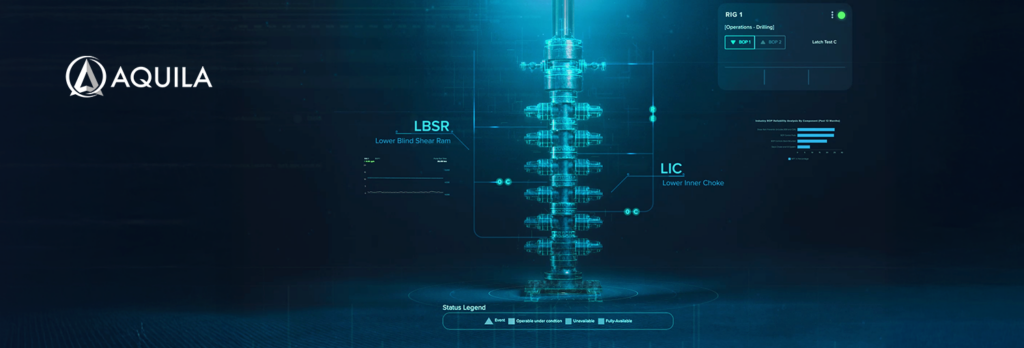
Operators now depend on real-time monitoring systems to track equipment performance, including BOP engineering, BOP test data analysis, and RTM drilling operations. While these systems bring visibility and efficiency, they also create entry points for cyber threats to oil and gas infrastructure.
Key actions for operators:
With the shift from manual to digital BOP testing software and remote digital pressure testing, operators are gaining higher accuracy and efficiency. Tools like BOP digital assurance, digital BOP testing efficiency, and BOP tracking systems are central to modern subsea operations. However, the increasing reliance on digital solutions also means cybercriminals may target BOP pressure test data or even manipulate results if defenses are weak.
Cybersecurity priorities for digital BOP testing:
This ensures that BOP testing software and remote digital pressure testing deliver accurate, trustworthy insights while remaining resilient against cyber threats.
Technology alone cannot secure the digital oilfield. Operators must cultivate a culture where cybersecurity is embedded in daily workflows — from offshore cyber security practices to managing security risks in the oil & gas sector.
Best practices include:
By focusing on both technology and people, operators can significantly reduce vulnerabilities across the digital oilfield.
The digital oilfield is here to stay — powered by advanced subsea solutions in oil and gas. These tools are transforming operations, but they also bring new cybersecurity challenges. From securing BOP test data to protecting real-time monitoring systems, operators must stay ahead of cyber threats to the oil and gas industry.
Prioritizing data and network security, offshore cyber security, and well integrity software is a necessity. By combining robust technologies with a strong cybersecurity culture, operators can ensure safer, more efficient, and more resilient oilfield operations worldwide.
How real-time monitoring and digital BOP testing shape safer, smarter offshore operations.
The offshore industry faces unique challenges where efficiency, safety, and reliability are critical. By applying real-time monitoring systems, digital BOP testing software, and proactive analysis, operators can detect anomalies early, reduce downtime, and maintain compliance. In this blog, we share lessons learned from real offshore projects where technology in practice made a measurable impact.
we explore how real offshore projects highlight the value of combining advanced digital tools with the expertise of BOP engineers and offshore teams. Through proactive monitoring and digital BOP testing services, the ability to identify anomalies early not only prevents costly downtime but also ensures compliance with API Standard 53 BOP testing procedures and well integrity standards.
We’ll look at real cases where Aquila’s Real-Time Operations Center (RTOC) and subsea teams worked together to improve efficiency, safety, and reliability in offshore drilling.

During a pre-deployment soak test, the RTOC noticed something unusual: the solenoid manifold regulators on both pods were seeking set pressure more frequently than expected.
“Our team quickly spotted a shift in HPU pump cycle frequency and depletion rate. After notifying the onboard FSE, the rig team investigated and found that the annular regulator was venting back to the tank. By analyzing the pressure trends carefully, the leaking solenoid valves were repaired before BOP deployment.”
Thanks to this early detection, downtime was minimized, troubleshooting delays were avoided, and regulatory compliance was maintained. This case highlights how real-time monitoring and digital BOP testing software can directly prevent operational interruptions.
In another project, the RTOC detected a shift in Pump Cycle Frequency and Depletion Rate while the BOP was already deployed subsea. Interestingly, no BOP functions had been used in the past 12 hours, which raised a flag for the team.
“After notification, the FSE and subsea team mobilized an ROV for inspection. They discovered an external leak on the Yellow riser recoil valve. Once placed in the vent position, the depletion rate returned to normal.”
This case illustrates that proactive monitoring and quick response, supported by digital pressure testing and data analysis, can prevent small anomalies from escalating into downtime or regulatory issues.
Both cases underline the value of digital BOP testing efficiency and the ability to act on BOP test data analysis in real time. By using digital pressure testing for BOP systems, operators benefit from:
These solutions also reduce reliance on manual methods like circular charts for pressure testing, instead leveraging advanced well integrity software and digital assurance platforms.
Real offshore projects continue to prove the importance of pairing human expertise with digital technology. With the support of real-time monitoring systems, digital BOP testing services, and experienced subsea teams, anomalies can be identified and resolved before they escalate into costly downtime.
From enhanced BOP test data analysis to improved cybersecurity for oil rigs, digital solutions are transforming the oil and gas industry. By applying lessons learned, operators can strengthen operational efficiency, maintain compliance, and ensure safer offshore environments.
Managed Pressure Drilling (MPD) is a technique designed to keep well pressure under control in real time. It helps reduce risks, improve efficiency, and make challenging wells more accessible. This article explains the concept of MPD, its importance in offshore drilling, and how digital solutions can contribute to more reliable operations.
We'll explore how offshore drilling often brings challenges such as narrow pressure windows, unpredictable formations, and strict safety requirements. MPD was developed as a way to deal with these conditions more effectively, providing operators with greater control during drilling. In the sections below, we’ll go through how MPD works, why it is relevant today, and how digital tools can support its application.
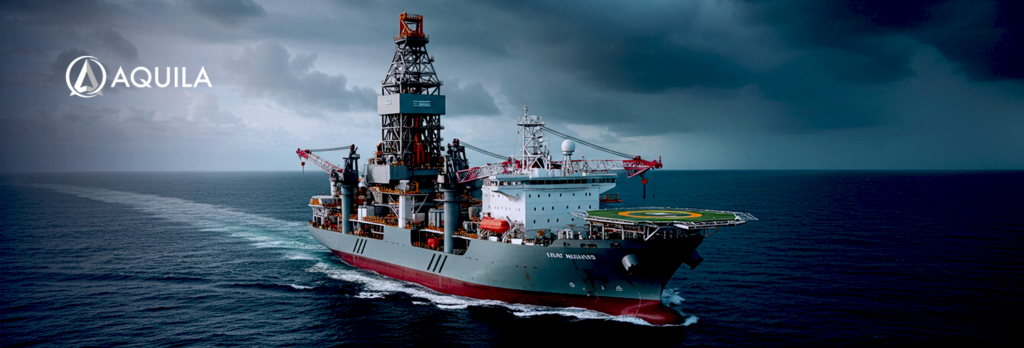
MPD is a drilling method that focuses on keeping bottomhole pressure within a safe and predictable range. By using surface equipment and real-time monitoring, it allows crews to:
This makes MPD especially useful in deepwater and high-pressure environments, where conventional methods often face limitations.
The offshore environment brings technical and safety challenges that require accurate pressure management. MPD helps address these challenges by:
In practice, MPD gives operators more control and stability when working in unpredictable conditions.
These solutions are designed to reduce human error, simplify reporting, and provide clarity during critical operations.
Managed Pressure Drilling is a practical approach to improving safety and efficiency in offshore drilling. With the support of digital tools, crews can rely on more accurate information, better workflows, and easier access to essential data.