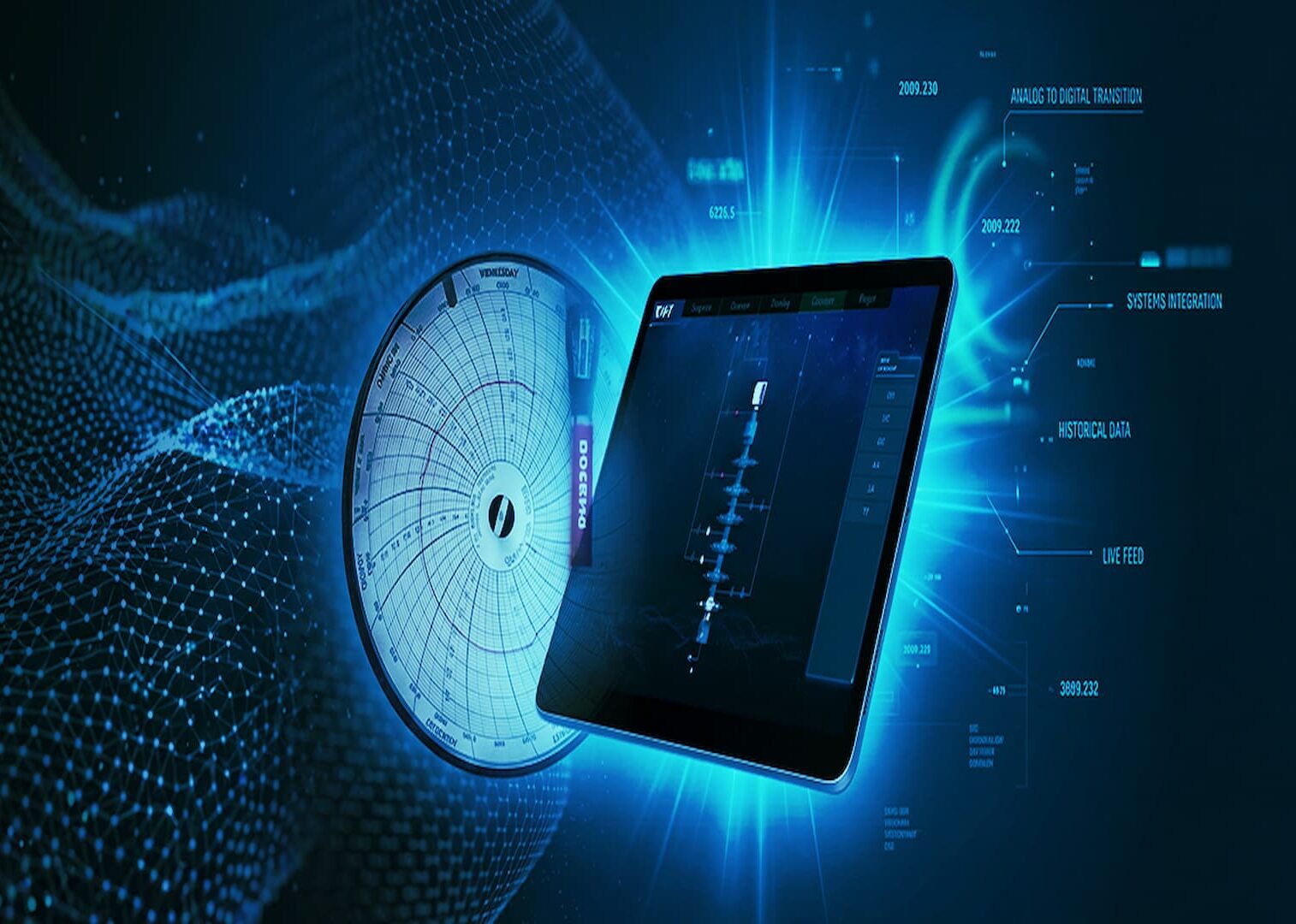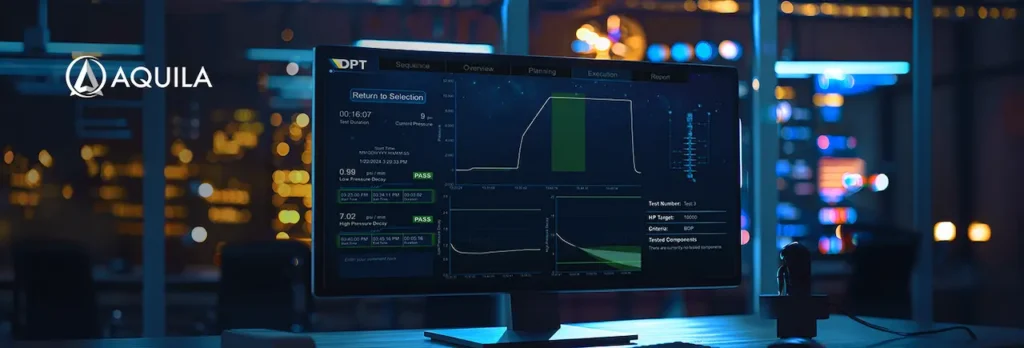
As pressure testing evolves, many operators are shifting from paper-based workflows and circular charts to digital BOP testing systems. But the transition is not simple. We will explore the biggest challenges companies face when digitalizing pressure testing processes — and how Aquila’s approach helps teams achieve measurable results in efficiency, data quality, and well integrity assurance.

blog card

In this blog..

we look at the evolving landscape of pressure testing digitalization across offshore operations. As BOP engineers, well integrity teams, and drilling contractors adopt digital BOP testing software, new challenges appear. We separated two common challenges leaders face today, and the tested-on-the-field strategies that help overcome them.


1. Ensuring Data Accuracy and Compliance Across Digital Workflows

For decades, pressure tests relied on circular charts, handwritten notes, and manual sign offs. Moving to digital platforms introduces new expectations for accuracy, consistency, and compliance.

Key challenges include:

  • Maintaining consistent data quality across multiple rigs and shifts.
  • Interpreting BOP pressure test data without human bias or inconsistent annotations.
  • Ensuring traceability for BOP testing audits and regulatory reviews.
  • Managing different testing types — BOP function tests, and pressure stabilization phases — within a single workflow.

How to overcome it:

  • Adopt digital BOP testing software designed to standardize BOP pressure test procedures.
  • Use real-time monitoring systems that automatically record pressure curves, hold times, chart anomalies, and stabilization periods.
  • Centralize test results in a secure platform that supports bop test data analysis and digital signatures.

How Aquila helps:
Aquila Digital Pressure Testing offers an integrated approach for data capture, automated validation, and secure reporting — reducing manual interpretation errors and supporting audit-ready documentation with proven performance.

2. Managing Cybersecurity Risks in Digital Pressure Testing Systems

As rigs adopt BOP digital assurance, well integrity software, and remote operations, cybersecurity becomes critical.
Pressure-testing data flows now include surface systems, rig networks, cloud environments, and operational technologies — and each layer requires proper protection.

Common cybersecurity concerns:

  • Exposure of rig networks to cyber threats to the oil and gas industry.
  • Protecting real-time monitoring data from tampering.
  • Safeguarding communication between offshore assets and onshore centers like RTM drilling hubs.
  • Ensuring compliance with internal security policies while enabling digital workflows.

How to overcome it:

  • Choose pressure testing solutions built with cybersecurity for oil rigs and oil and gas cyber security standards in mind.
  • Implement data and network security controls across offshore and onshore nodes.
  • Use platforms designed to mitigate common vulnerabilities found in older or stand-alone systems.
  • Incorporate continuous monitoring and logging across all BOP testing data flows.

How Aquila helps:
Aquila’s digital ecosystem supports oil & gas cybersecurity standards with secure cloud environments, encrypted data flows, and role-based access — all aligned with the needs of subsea solutions in oil and gas operations.

Conclusion

Digital pressure testing is no longer optional for operators who want to improve reliability, reduce non-productive time, and support audit readiness. By addressing challenges in compliance and cybersecurity companies can build a more consistent and data-driven approach to BOP testing.

Aquila delivers a new approach to digital BOP testing — with secure data flows, structured procedures, and real-time monitoring tools that provide measurable results for well integrity teams, drilling contractors, and BOP engineers.

Why forward-thinking offshore operators are switching to digital BOP testing to improve safety, efficiency, and compliance.

As offshore operations grow more complex, ensuring the reliability of Blowout Preventer (BOP) systems has never been more critical. Traditional BOP pressure testing methods are not only time-consuming but can lead to inconsistent results and higher operational risks. In this blog, we explore how digital pressure testing for BOPs is revolutionizing offshore reliability through real-time data, remote monitoring, and intelligent analysis.

blog card

In this blog...

We’ll discuss how digital BOP testing increases operational efficiency, improves data accuracy, and supports API compliance — all while helping offshore operators cut costs. We’ll also explore key features of digital BOP testing software, explain how it enables real-time monitoring systems, and show how it transforms BOP test data analysis into actionable insights.


1. The Challenges of Traditional BOP Pressure Testing

While BOP testing is a regulatory requirement under API Standard 53 BOP testing, traditional methods introduce a number of inefficiencies and risks that compromise offshore reliability:

  • Manual Data Collection: Pressure readings taken with circular charts for pressure testing are prone to human error and difficult to interpret.
  • Lack of Real-Time Visibility: Without real-time monitoring, issues in the pressure test may go undetected until after completion.
  • Inconsistent Reporting: Inconsistent or missing documentation leads to potential non-compliance and reduced confidence in test validity.
  • Increased Downtime: Traditional BOP pressure testing often leads to extended non-productive time (NPT), costing operators thousands per hour.

By failing to evolve these methods, offshore operators risk operational inefficiencies, missed warning signs, and delayed decisions.

2. How Digital Pressure Testing Transforms Offshore Operations

Switching to digital BOP testing services it’s about unlocking real business and safety benefits. Here’s how digital testing boosts offshore reliability:

Real-Time Monitoring & Remote Access
  • Leverages real-time monitoring systems to track pressure levels during the test with high accuracy.
  • Enables remote digital pressure testing, allowing onshore experts to view results as they happen.
  • Supports RTM drilling operations by reducing the reliance on offshore-only data review.
Advanced Data Analysis & Reporting
  • Automatically records data for full BOP test data analysis.
  • Generates instant, auditable reports aligned with API Standard 53.
  • Supports BOP digital assurance by improving transparency and regulatory compliance.

Improved Efficiency & Reduced NPT
  • Cuts testing time by up to 40% with intelligent automation.
  • Reduces errors and retests through BOP pressure test procedure standardization.
  • Facilitates quicker decision-making with clean, structured digital BOP testing software outputs.

3. Choosing the Right Digital BOP Testing Solution

Must-Have Features:

  • Integration with well integrity software
  • Automated alerts and thresholds
  • Cloud-based test archiving and secure data access
  • Scalable architecture for multi-rig deployment
  • Compatibility with BOP tracking systems

Ideal For:

  • BOP engineers and operations supervisors needing clear, fast, and auditable results
  • BOP testing companies managing large fleets or requiring centralized oversight
  • Operators focused on lowering HSE risk and improving offshore execution

Whether you're conducting a routine BOP drawdown test, BOP pressure test, or full digital validation, the right software ensures every step meets global standards while supporting real-time collaboration.

Conclusion

Digital pressure testing for BOPs is no longer just a “nice to have” — it's a competitive necessity for offshore operators seeking greater reliability, safety, and operational control. With digital BOP testing software, teams gain access to real-time monitoring, streamlined workflows, and smarter insights that drive faster, better-informed decisions.

From reducing non-productive time to ensuring full compliance, the future of BOP testing is digital — and it’s already here.

Let's Chat