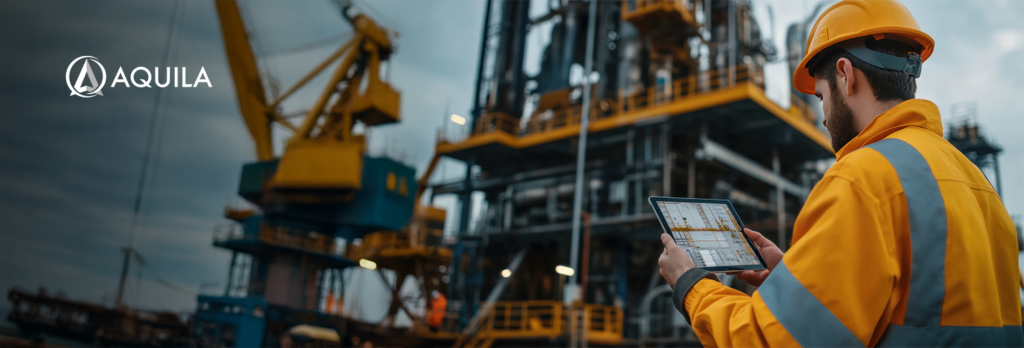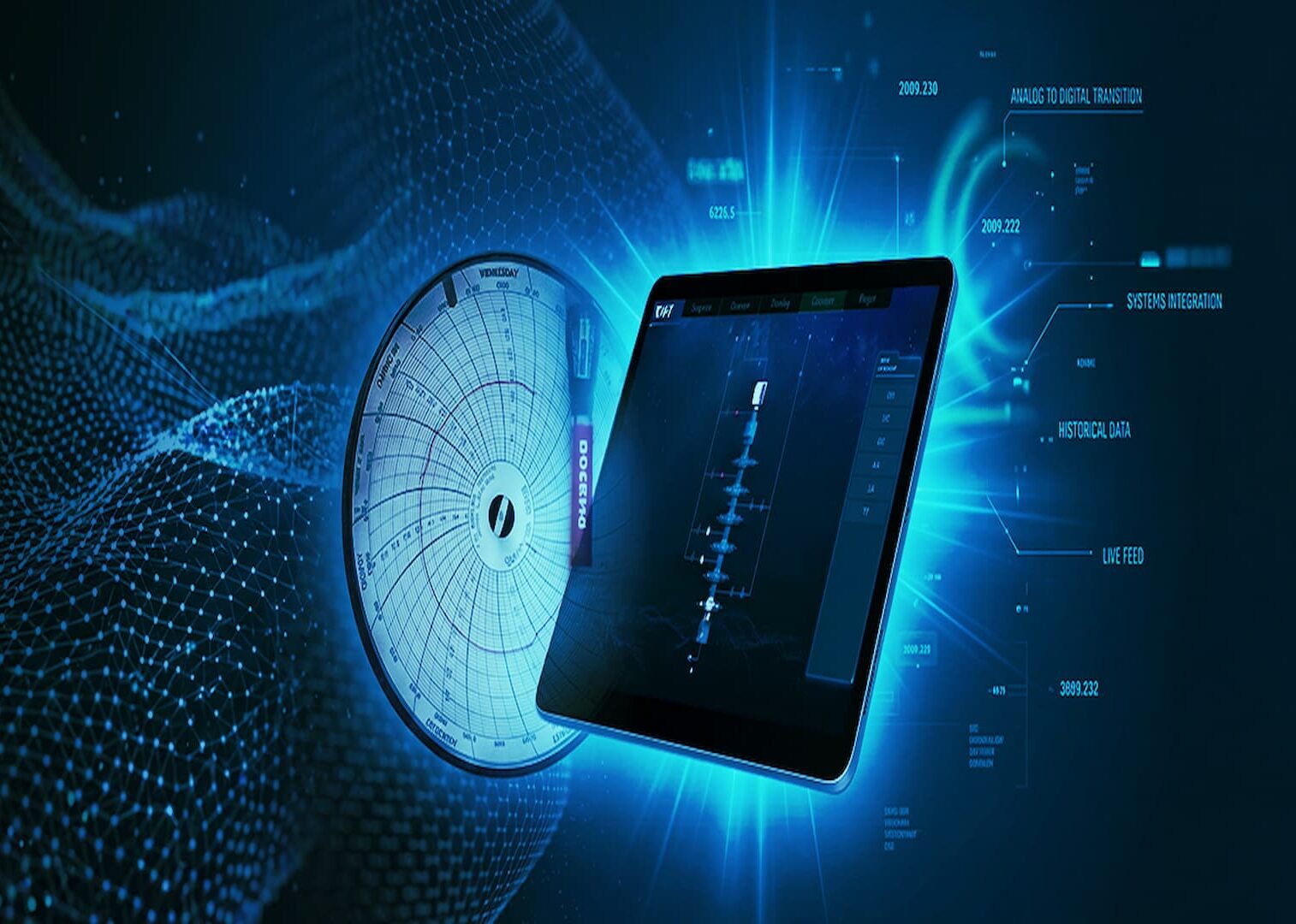
Human error has long been a critical challenge in offshore operations, impacting safety, efficiency, and asset integrity. As the industry evolves, integrating digital technologies like real-time monitoring systems, AI, and digital BOP testing it’s essential. Traditional, manual processes leave too much room for inconsistency, delayed responses, and missed signals. In an environment where every second and every decision matters, that gap is no longer acceptable.
we explore how offshore operations can move beyond these limitations by combining engineering expertise with digital tools. From improving BOP testing efficiency to enabling real-time visibility across critical systems, the shift toward digital operations is redefining how decisions are made offshore — faster, more accurately, and with far greater confidence.
Offshore environments are complex, high-risk, and data-intensive. Traditional processes — often manual and reactive — leave room for human error, especially in critical activities like BOP pressure testing, bop test data analysis, and bop tracking.
Key challenges include:
Even when following standards like API Standard 53 BOP testing, human dependency can lead to inefficiencies and overlooked risks.
The shift toward digital is what stands out in offshore performance. Technologies allow operators to move from reactive to predictive operations.
What digital integration delivers:
This is where Aquila stands apart — using digital tools fully integrated with AI to transform complex BOP data into real-time, actionable intelligence.
Collecting data is no longer the challenge in offshore operations. The real challenge is turning that data into decisions — fast, precise, and reliable under pressure.
With digital tools fully integrated with AI, operators can move beyond fragmented information and start operating with true clarity. Instead of reacting to isolated data points, they gain a continuous, contextual understanding of what’s happening across critical systems.
This is where Aquila stands apart — not just collecting data, but structuring, interpreting, and validating it through AI-driven digital systems.
Aquila stands out among other companies by combining engineering expertise with cutting-edge technology. Whether you're analyzing pressure patterns during a test or monitoring equipment status remotely, our software helps ensure the right decision.
Technology, and specially AI, is no longer a futuristic add-on in offshore. In an industry where precision and reliability are critical, the future belongs to those who combine engineering expertise with intelligent digital systems — creating safer, smarter, and more efficient offshore operations
Digital transformation in energy operations is evolving beyond automation. While tools like real-time monitoring systems, AI, and digital BOP testing software improve efficiency, long-term operational performance depends on digital reliability. This blog explores how reliable data, integrated systems, and human-centered design support safer, more consistent, and confident decision-making in complex and high-risk energy environments.
we explore why automation alone is not enough for modern energy operations. We discuss how a culture of digital reliability supports operational confidence, strengthens BOP testing processes, improves real-time monitoring, and enables measurable results across drilling, well integrity, and compliance-driven environments.
Automation has become common across oil and gas technologies, from real-time monitoring systems to digital pressure testing for BOP operations. These systems reduce manual effort, accelerate reporting, and standardize workflows. However, automation without reliability can introduce operational risk.
In environments where BOP pressure testing, drawdown tests, and API Standard 53 BOP testing are critical, teams need more than automated outputs. They need confidence in the data behind every decision.
Digital reliability focuses on:
Without this foundation, automation becomes efficient but fragile, especially in high-consequence operations.
In BOP engineering and digital BOP testing services, reliability is closely tied to consistency, auditability, and operational alignment. A reliable digital environment supports both real-time monitoring and long-term assurance.
In practice, digital reliability enables:
By linking real-time monitoring with structured digital workflows, organizations move from basic visibility to BOP digital assurance.
Technology alone does not deliver reliability. Engineers, operators, and leadership interact with digital systems differently, especially in offshore and subsea solutions for oil and gas.
A culture of digital reliability also considers:
By integrating cybersecurity oil and gas industry practices into digital operations, organizations mitigate risk while supporting operational continuity and confidence.
Automation improves efficiency. Digital reliability supports operational confidence.
For organizations operating in regulated, high-risk energy environments, the evolution of digital transformation is not about adding more tools. It is about adopting an integrated approach that aligns digital systems with real operations, supports well integrity software, strengthens BOP testing processes, and delivers measurable results over time.
At Aquila, we help energy operators move beyond automation by designing digital solutions tested on the field — combining real-time monitoring, digital BOP testing software, AI, and cybersecurity practices to support consistent execution, compliance, and long-term operational resilience.
Artificial Intelligence (AI) is becoming a key element in the evolution of oil and gas technologies, supporting safer operations, optimized performance, and improved decision-making. This blog explores how AI enhances Blowout Preventer (BOP) engineering through real-time monitoring systems, digital BOP testing software, and advanced data analysis. It also highlights how Aquila applies AI within an integrated approach to BOP digital assurance, delivering measurable results in safety, efficiency, and operational reliability.
we explore how Artificial Intelligence supports the evolving needs of the oil and gas industry, particularly in BOP testing, real-time monitoring, and digital pressure testing for BOP systems. As offshore operations become more complex and data-driven, AI plays an important role in improving BOP test data analysis, supporting well integrity software, and strengthening decision-making processes.
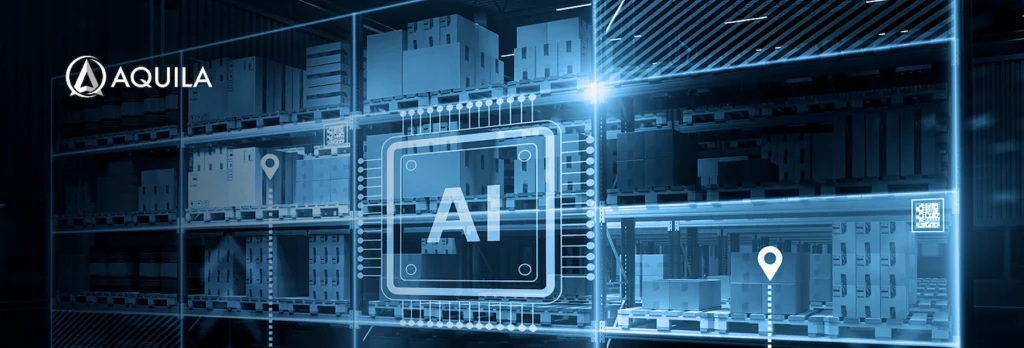
Artificial Intelligence is increasingly embedded in oil and gas cyber security, subsea solutions, and operational monitoring. Rather than replacing engineering expertise, AI enhances it by supporting data interpretation and operational awareness.
Key areas where AI contributes include:
By combining AI with real-time monitoring and well-established engineering practices, operators gain a clearer understanding of equipment behavior and operational risks.
AI plays a valuable role in digital BOP testing services by supporting more consistent, structured, and traceable BOP pressure testing processes.
Key Applications in BOP Engineering
Through remote digital pressure testing and advanced data processing, AI helps reduce manual workload while improving the quality and reliability of test results. This supports both offshore safety and operational efficiency.
Aquila applies AI as part of an integrated approach to BOP digital assurance, combining BOP engineering expertise with digital pressure testing BOP tools and real-time monitoring.
This approach supports:
Aquila’s solutions are built on technologies tested on the field, delivering a leader in proved performance for digital BOP testing and assurance services.
Artificial Intelligence is playing a growing role in the evolution of oil and gas operations, particularly in BOP testing, real-time monitoring, and offshore cybersecurity. By supporting digital pressure testing for BOP systems, improving data-driven insights, and strengthening cyber security oil and gas strategies, AI contributes to safer and more efficient operations.
At Aquila, AI is applied to optimize BOP performance and safety through structured digital BOP assurance solutions. By combining AI, engineering expertise, and real-time monitoring systems, Aquila delivers proven benefits and supports the evolving needs of offshore operations in a secure, efficient, and reliable way.
Artificial Intelligence (AI) is transforming the oil and gas sector by offering new ways to predict, prevent, and respond to well control events. By combining AI with real-time monitoring systems, digital BOP testing software, and advanced data analysis, companies can strengthen well integrity, enhance operational safety, and achieve more reliable performance offshore.
We explore how AI and real-time monitoring technologies are reshaping the way drilling teams identify and mitigate well control risks. From integrating digital BOP testing services to leveraging predictive algorithms, this article highlights the critical role of data, automation, and digital assurance in achieving safer and smarter offshore operations.

AI has become a cornerstone of modern oil and gas technologies, enabling predictive capabilities that were once impossible through manual processes alone. When integrated with real-time monitoring (RTM) drilling systems, AI can:
These predictive insights, powered by machine learning models trained on vast datasets, allow for proactive decision-making. The result is improved well integrity, reduced downtime, and enhanced compliance with API Standard 53 BOP testing and safety protocols.
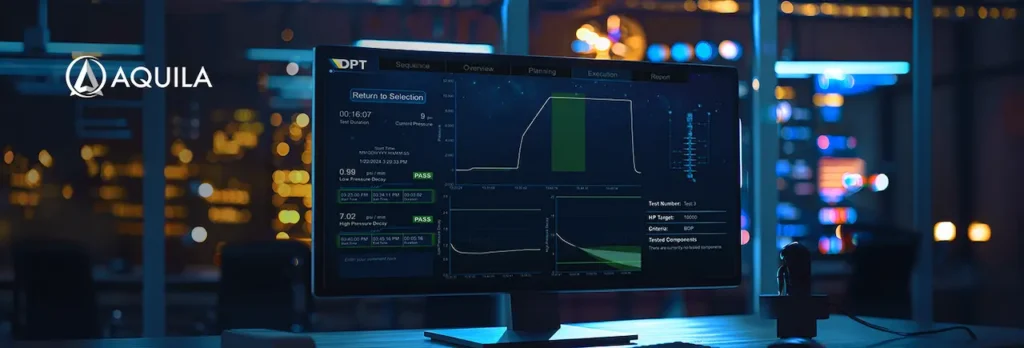
Blowout Preventers (BOPs) are critical to maintaining well control, and innovations in Digital Pressure Testing— Aquila’s digital solution — are revolutionizing how engineers approach maintenance and assurance. Unlike traditional methods that rely on manual circular charts, Digital Pressure Testing automates the entire process, providing accurate, traceable, and data-driven test results.
Through Aquila’s digital platform, operators can:
Digital Pressure Testing not only streamlines operations but also integrates seamlessly with BOP digital assurance and real-time monitoring systems. With intelligent data analysis, BOP engineers gain the insights they need to ensure reliability, performance, and operational safety.
As the oil and gas industry adopts more connected, digital systems, cybersecurity in oil and gas operations has become a top priority. The use of AI, real-time monitoring, and digital pressure testing for BOP solutions introduces new layers of complexity — and potential vulnerability — to offshore networks.
To manage security risks in the oil & gas sector effectively, companies must:The integration of cybersecurity for oil rigs safeguards sensitive operational data and reinforces trust in digital technologies.
How real-time monitoring and digital BOP testing shape safer, smarter offshore operations.
The offshore industry faces unique challenges where efficiency, safety, and reliability are critical. By applying real-time monitoring systems, digital BOP testing software, and proactive analysis, operators can detect anomalies early, reduce downtime, and maintain compliance. In this blog, we share lessons learned from real offshore projects where technology in practice made a measurable impact.
we explore how real offshore projects highlight the value of combining advanced digital tools with the expertise of BOP engineers and offshore teams. Through proactive monitoring and digital BOP testing services, the ability to identify anomalies early not only prevents costly downtime but also ensures compliance with API Standard 53 BOP testing procedures and well integrity standards.
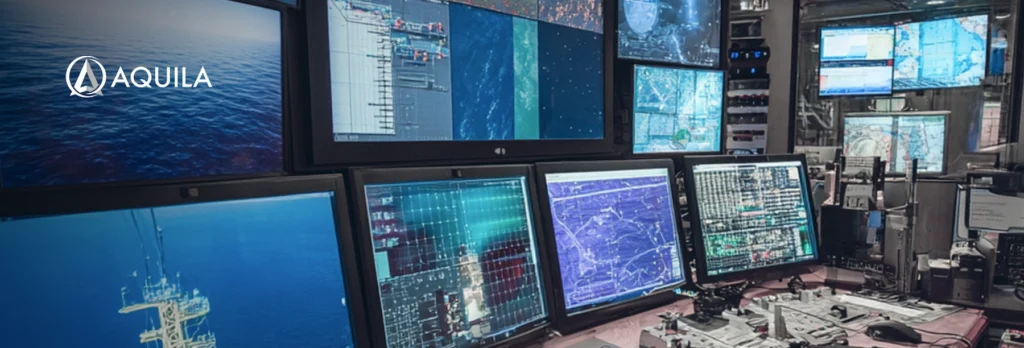
We’ll look at real cases where Aquila’s Real-Time Operations Center (RTOC) and subsea teams worked together to improve efficiency, safety, and reliability in offshore drilling.

During a pre-deployment soak test, the RTOC noticed something unusual: the solenoid manifold regulators on both pods were seeking set pressure more frequently than expected.
“Our team quickly spotted a shift in HPU pump cycle frequency and depletion rate. After notifying the onboard FSE, the rig team investigated and found that the annular regulator was venting back to the tank. By analyzing the pressure trends carefully, the leaking solenoid valves were repaired before BOP deployment.”
Thanks to this early detection, downtime was minimized, troubleshooting delays were avoided, and regulatory compliance was maintained. This case highlights how real-time monitoring and digital BOP testing software can directly prevent operational interruptions.
In another project, the RTOC detected a shift in Pump Cycle Frequency and Depletion Rate while the BOP was already deployed subsea. Interestingly, no BOP functions had been used in the past 12 hours, which raised a flag for the team.
“After notification, the FSE and subsea team mobilized an ROV for inspection. They discovered an external leak on the Yellow riser recoil valve. Once placed in the vent position, the depletion rate returned to normal.”
This case illustrates that proactive monitoring and quick response, supported by digital pressure testing and data analysis, can prevent small anomalies from escalating into downtime or regulatory issues.
Both cases underline the value of digital BOP testing efficiency and the ability to act on BOP test data analysis in real time. By using digital pressure testing for BOP systems, operators benefit from:
These solutions also reduce reliance on manual methods like circular charts for pressure testing, instead leveraging advanced well integrity software and digital assurance platforms.
Real offshore projects continue to prove the importance of pairing human expertise with digital technology. With the support of real-time monitoring systems, digital BOP testing services, and experienced subsea teams, anomalies can be identified and resolved before they escalate into costly downtime.
From enhanced BOP test data analysis to improved cybersecurity for oil rigs, digital solutions are transforming the oil and gas industry. By applying lessons learned, operators can strengthen operational efficiency, maintain compliance, and ensure safer offshore environments.
The offshore oil and gas industry has always relied on skilled professionals to ensure operational safety. Today, the integration of advanced technology — from digital BOP testing services to real-time monitoring systems — is redefining how human factors are managed offshore. This blog explores how humans and machines work together to improve safety, efficiency, and decision-making in high-risk environments.
we’ll explore the evolving relationship between human expertise and technology in offshore operations. From BOP pressure testing to oil and gas cybersecurity, the connection between people and digital tools is reshaping how we approach safety and operational excellence. Far from replacing the human element, digital solutions are enhancing decision-making, reducing risks, and building resilience in offshore environments.
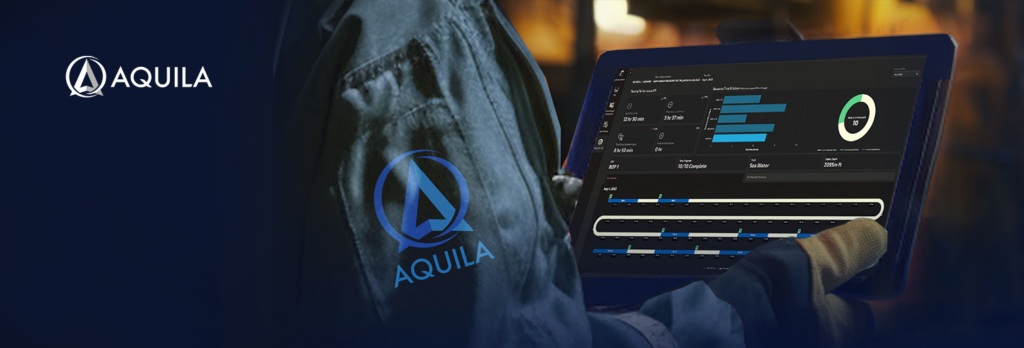
Human error has historically been one of the greatest risks in offshore operations. However, advancements in digital BOP testing software and real-time monitoring have introduced new ways to support BOP engineers and offshore crews.
The outcome? Human factors are strengthened, not sidelined, by technology.
Technology does more than make processes digital; it changes how people work together offshore.
By bridging the gap between people and machines, offshore teams experience improved operational flow without compromising on safety.
As offshore rigs become more digitally connected, the human factor is increasingly tied to cybersecurity. Protecting both people and systems is vital.
In short, cybersecurity in oil and gas is not just about technology — it’s about enabling people to work confidently in a secure environment.
The future of offshore operations lies in the balance between human expertise and digital innovation. By combining the judgment and adaptability of people with the precision of BOP testing software, real-time monitoring systems, and strong oil and gas cybersecurity practices, the industry is building a safer, more efficient, and more resilient offshore environment.
Technology doesn’t replace human factors; it amplifies them — ensuring that offshore professionals can make faster, safer, and smarter decisions in one of the world’s most challenging industries.
How Artificial Intelligence is Transforming Offshore Operations and Ensuring Well Integrity.
AI is revolutionizing the oil and gas industry by enhancing real-time monitoring, automating digital BOP testing, improving well integrity, and strengthening offshore cybersecurity. At Aquila Engineering, we harness AI to deliver safer, faster, and more reliable solutions for drilling operations worldwide.
we explore how AI is transforming the oil and gas sector, focusing on how Aquila integrates cutting-edge technology into digital BOP testing services, real-time monitoring systems, and cybersecurity solutions for offshore operations. We’ll look at how AI improves operational efficiency, boosts data accuracy, and ensures compliance with standards such as API Standard 53 BOP Testing, all while minimizing downtime and human error.
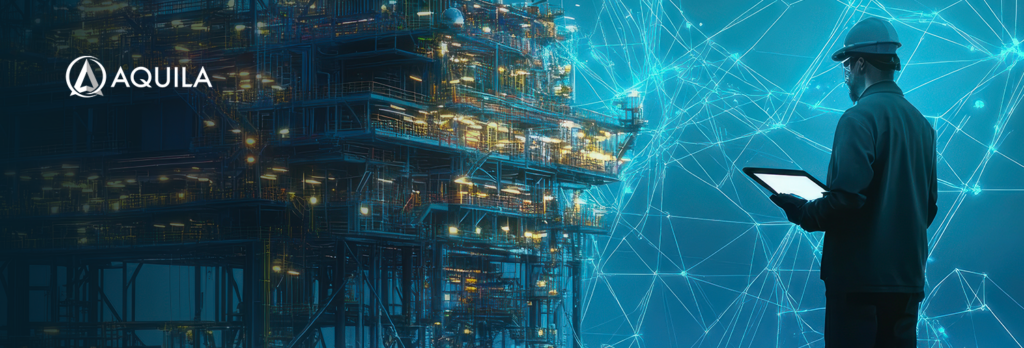
Traditionally, BOP pressure testing has been a time-consuming, paper-based process. Aquila’s digital BOP testing software changes that, enabling precise BOP test data analysis in real time.
Key AI-driven benefits include:
With remote digital pressure testing, our engineers can conduct a BOP drawdown test and monitor results without physically being on the rig—saving time, improving safety, and reducing costs.
AI capabilities in RTM drilling include:
As offshore operations become increasingly digitized, the oil and gas industry faces growing cyber threats. Aquila incorporates robust oil and gas cybersecurity measures into all our solutions, ensuring the safety of both operational data and physical assets.
Our offshore cyber security framework includes:With AI-driven cyber data security, we detect and neutralize threats before they can disrupt operations—critical for safeguarding subsea solutions and ensuring uninterrupted drilling activities.
AI is a proven force driving efficiency, safety, and innovation in the oil and gas industry. At Aquila, we integrate AI into digital BOP testing services, real-time monitoring systems, and offshore cybersecurity to support safer and more efficient operations. Whether it’s enhancing BOP testing software for stronger digital assurance or strengthening cybersecurity in oil and gas, our goal is to deliver meaningful progress and continuous improvement for the industry.