Aquila Real-Time Monitoring: Transforming Offshore Operations with Intelligent Monitoring
July 8th, 2026

Real-Time Monitoring, AI, and Predictive Analytics for Safer, Smarter Offshore Performance.
Real-time monitoring has become essential for modern offshore drilling operations, where safety, efficiency, and equipment reliability depend on fast, data-driven decisions. By combining artificial intelligence (AI), machine learning, predictive analytics, and continuous expert support, digital monitoring systems help operators detect issues earlier, reduce downtime, improve well integrity, and enhance operational performance.
In this blog, we'll explore how Aquila's Real-Time Monitoring solutions empower drilling teams through intelligent BOP monitoring, equipment health analysis, and advanced fault detection to mprove operational awareness, reduce risk, and support safer drilling environments.
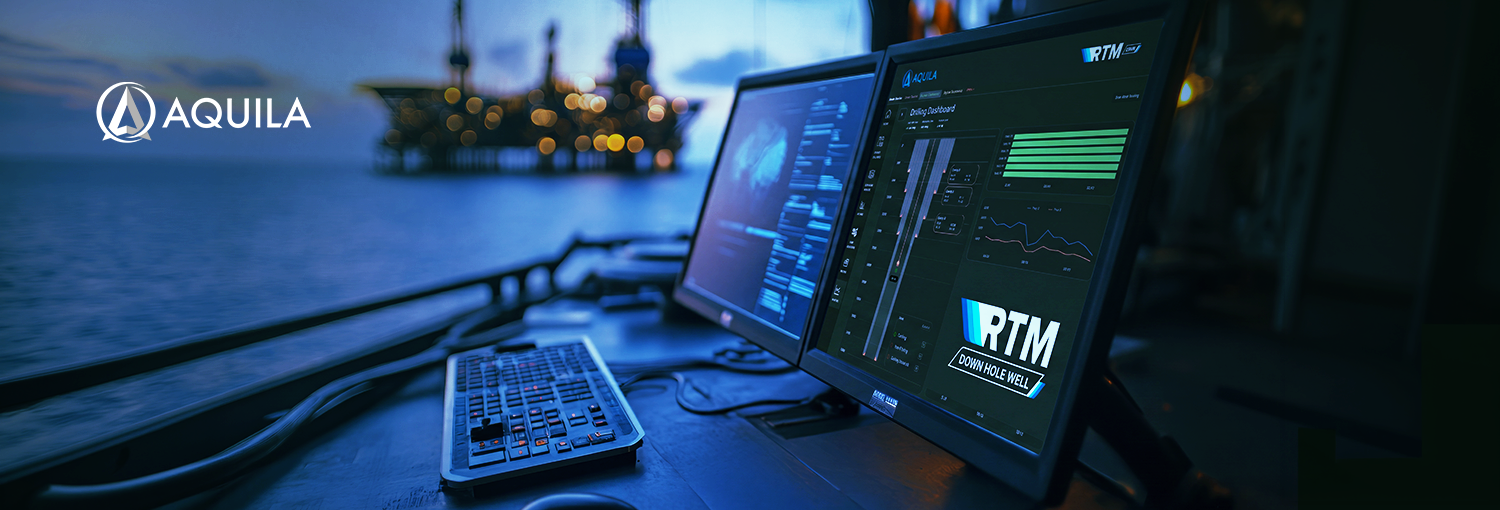
1. Real-Time Monitoring: Connecting Data to Better Decisions
The complexity of today's offshore operations demands more than traditional monitoring methods. Operators require continuous visibility into drilling activities, equipment health, and well conditions to make informed decisions before small issues become major failures.
Modern real-time monitoring systems combine live operational data with machine learning algorithms to deliver actionable insights around the clock. Rather than simply displaying information, these platforms analyze trends, identify anomalies, and notify engineers when intervention may be required.
Key benefits include:
Continuous real-time monitoring of critical drilling operations
24/7 expert support with intelligent alarm management
Historical and live data visualization for deeper operational insights
Improved collaboration between offshore crews and onshore specialists
Faster decision-making through AI-driven analytics
By integrating drilling data, BOP performance, and MPD monitoring into a single environment, operators gain a comprehensive understanding of well conditions while improving safety and reducing non-productive time.

2. Smarter BOP Monitoring and Equipment Health Management
Blowout Preventers remain one of the most critical safety systems in offshore drilling. Digital technologies now allow operators to move beyond traditional inspections and adopt predictive monitoring that continuously evaluates system performance.
Advanced BOP engineering solutions combine operational data with intelligent diagnostics, enabling more efficient BOP testing and improved BOP tracking.
Aquila's monitoring solutions provide:
BOP System Monitoring
24/7 monitoring with automated alarms
Integrated drilling, MPD, and BOP visualization
Historical performance analysis
Improved equipment integrity and operational reliability
Hydraulic Health System
Using Depletion Rate Technology, the system continuously evaluates hydraulic performance to detect leaks long before they impact operations.
Benefits include:
Earlier identification of hydraulic leaks
Improved regulator performance monitoring
Reduced risk of unexpected component failures
Higher overall system reliability
Annular Health Analysis
Predictive analytics provide a complete picture of annular preventer health by combining quantitative operational data with qualitative equipment assessments.
This enables:
More accurate reliability evaluations
Better maintenance planning
Predictive identification of component degradation
Lower probability of operational failures
These capabilities complement modern digital BOP testing software, digital pressure testing for BOP, and evolving well integrity software, helping operators optimize maintenance strategies while supporting safer offshore operations.

3. Predictive Intelligence, Fault Analysis, and Operational Resilience
The future of offshore operations lies in transforming operational data into predictive intelligence.
Using AI, machine learning, and automated diagnostics, digital platforms can recognize patterns that often remain invisible during manual monitoring. This allows engineering teams to anticipate equipment issues, understand system dependencies, and respond before failures occur.
One example is automated Fault Tree Analysis, which helps operators:
Generate fault trees on demand
Automatically connect active issues to system components
Understand the operational impact of equipment failures
Support compliance with industry regulations
Improve safety planning and maintenance prioritization
Conclusion
Offshore drilling is becoming increasingly data-driven, and organizations that embrace intelligent monitoring gain significant advantages in safety, operational efficiency, and equipment reliability.
By integrating real-time monitoring, artificial intelligence, predictive analytics, and advanced BOP digital technologies into a single platform, Aquila helps operators transform complex operational data into faster, smarter decisions. From continuous equipment health monitoring to predictive fault analysis and secure digital infrastructure, these solutions reduce downtime, improve well integrity, and support safer offshore operations.