The Future of BOP Pressure Testing Is Already Here — Are You Still Using Yesterday's Tools?
July 1st, 2026
Why Machine Learning Is Replacing Baseline-Comparison Approaches in Digital Pressure Testing
The drilling industry moves fast. Not every vendor moves with it. Some players in digital pressure testing still rely on systems built over a decade ago — static, baseline-comparison models. The operational landscape has shifted. Today's BOP pressure testing demands more than a fixed baseline and a leak-free fingerprint. It demands adaptability, continuous learning, and software that keeps pace with real operations across hundreds of tests, rigs, and configurations.
Here is why machine learning-powered predictive analytics is a true generational leap — and why Aquila's Digital Pressure Testing (DPT) platform is setting the new standard for accuracy, efficiency, and well integrity assurance.
1. Static Models Are Built for a World That No Longer Exists
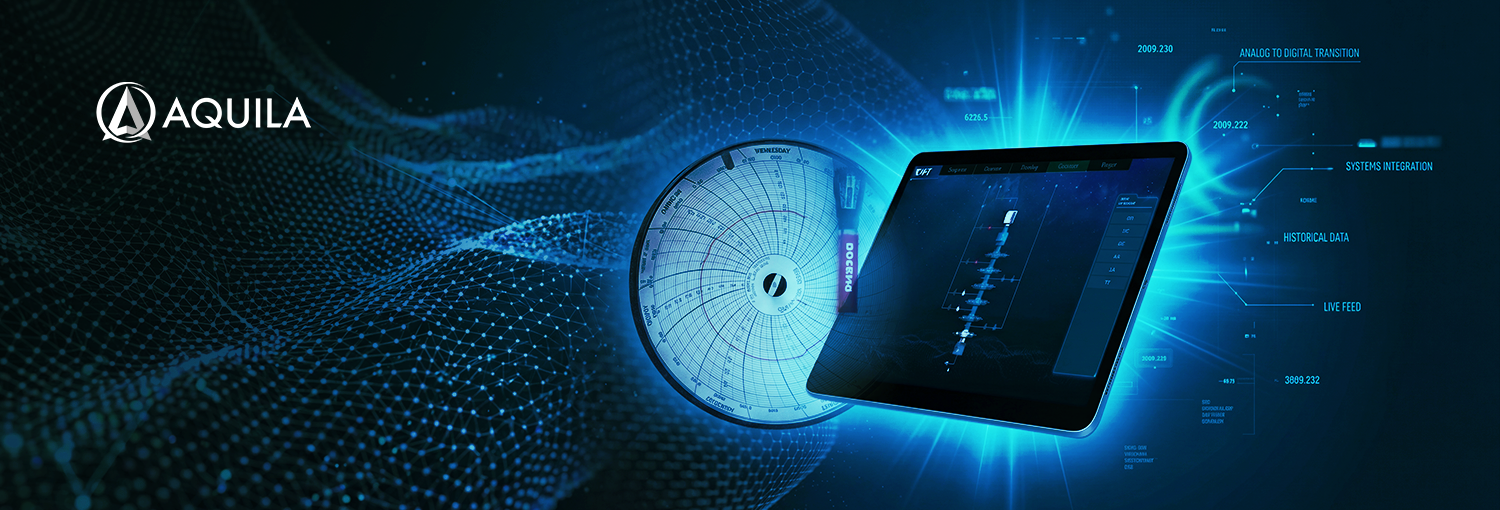
Baseline-comparison has its place — and Aquila's platform still grounds its analysis in physics and first principles. But a baseline-comparison-only approach, calibrated from a fixed reference, has a hard ceiling. It tells you what a system looked like in the past, under controlled conditions. It cannot adapt to the variability that defines real operations: different BOP configurations, evolving equipment conditions, changing environments, and the sheer volume of modern test data.
Machine learning changes that. Aquila DPT's ML model:
Self-learns from high-fidelity BOP test data in real time — not predefined thresholds
Adapts dynamically across tests and configurations
Eliminates baseline calibration tests — removing an added delay from your operations
Scales with high-frequency data streams
Improves continuously as more data is collected
A system that was state-of-the-art 15 years ago is not built for today's data volumes, complexity, or regulatory expectations. In a safety-critical environment, that gap matters.

2. . Predictive Analytics Is Not a Guess. It's Validation at Speed
Some argue predictive analytics is unreliable — that reading early-time pressure trends adds uncertainty. That misunderstands what modern AI prediction does. Aquila's model isn't speculating from incomplete data. It draws on a validated, continuously expanding body of real test outcomes to deliver automated, objective pass/fail determinations faster and more accurately than any manual or static method.
26% to 82% efficiency gains over conventional testing systems
Validated across more than 15,000 BOP pressure tests in real operations
Automated compliance checks aligned with API Standard 53
One-click audit-ready reporting
Remote testing with real-time results
The question isn't whether predictive analytics works. It does — proven in the field. The question is whether your current technology has kept pace with the evidence.
3. The Advantage Compounds — Every Test Makes the Model Sharper
A baseline-comparison system is static by design. The reference it was calibrated against is the same one it uses on the thousandth test. It does not get smarter.
A self-learning model works the opposite way. Every test becomes training signal — sharpening accuracy, tightening confidence, and widening the range of conditions the model has already seen. Its lead doesn't just exist today; it grows with every well.
A static model's performance is fixed at ship date. A learning model's curves upward with use.
The more diverse your operations, the more a static approach struggles — and the more a learning model gains.
Each test compounds into a deeper, harder-to-replicate body of validated outcomes.
"Old but proven" is a false comfort. A method that cannot learn isn't stable — it's standing still while the data, the rigs, and the regulatory bar keep moving.
4. Software the Field Actually Wants to Use
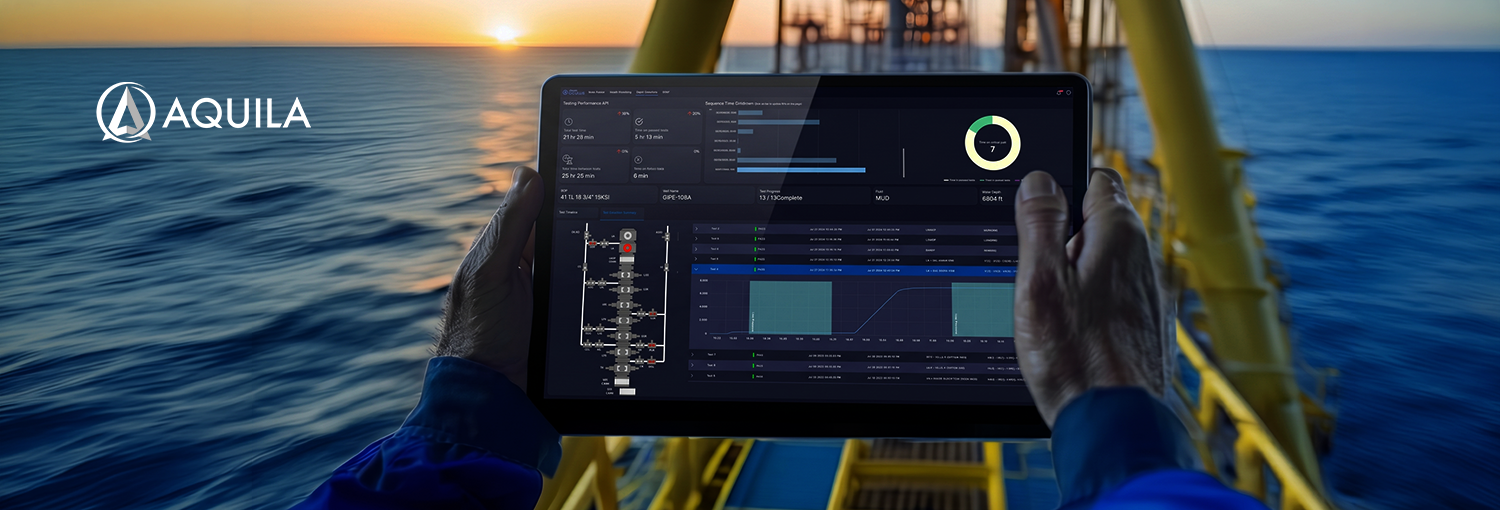
The most advanced engine in the industry only matters if the people on the rig will use it. Aquila DPT was built for the crew first: clean, intuitive, and fast to learn — a platform that earns adoption instead of fighting for it.
Designed for the field — minimal training, immediate confidence
A modern, intuitive interface crews reach for, not around
One-click, audit-ready reporting in place of hours of manual work
Consistently praised by the people who run it, test after test
Power and usability rarely show up together. Aquila delivers both — the most intelligent testing engine available, in software operators are glad to open.
Conclusion
The methodology debate is ultimately about direction: are you building toward greater intelligence and adaptability — or defending a system because it's what you know?
Aquila's DPT platform was built for the former. It pairs physics-grounded machine learning and field-proven validation with software crews actually want to use — a solution that gets better with every test and gives your teams the confidence to make faster, more reliable decisions in safety-critical environments.
The tools are here. The validation is real. The only question is whether your pressure testing technology is keeping up.