The Pulse of Offshore Operations: Inside Aquila’s Real-Time Operational Center
February 25th, 2026

How Aquila’s RTOC supports 24/7 offshore operations with technology, expertise, and operational confidence
Real-Time Operational Centers (RTOCs) play a critical role in modern offshore energy operations. They serve as centralized environments where real-time data, engineering expertise, and advanced digital systems come together to support safe, efficient, and consistent execution across offshore assets.
In this blog, we’ll show how at Aquila, the RTOC is not just a monitoring room — it is an operational hub designed to support offshore teams with real-time insights, engineering intelligence, and digital assurance, around the clock.
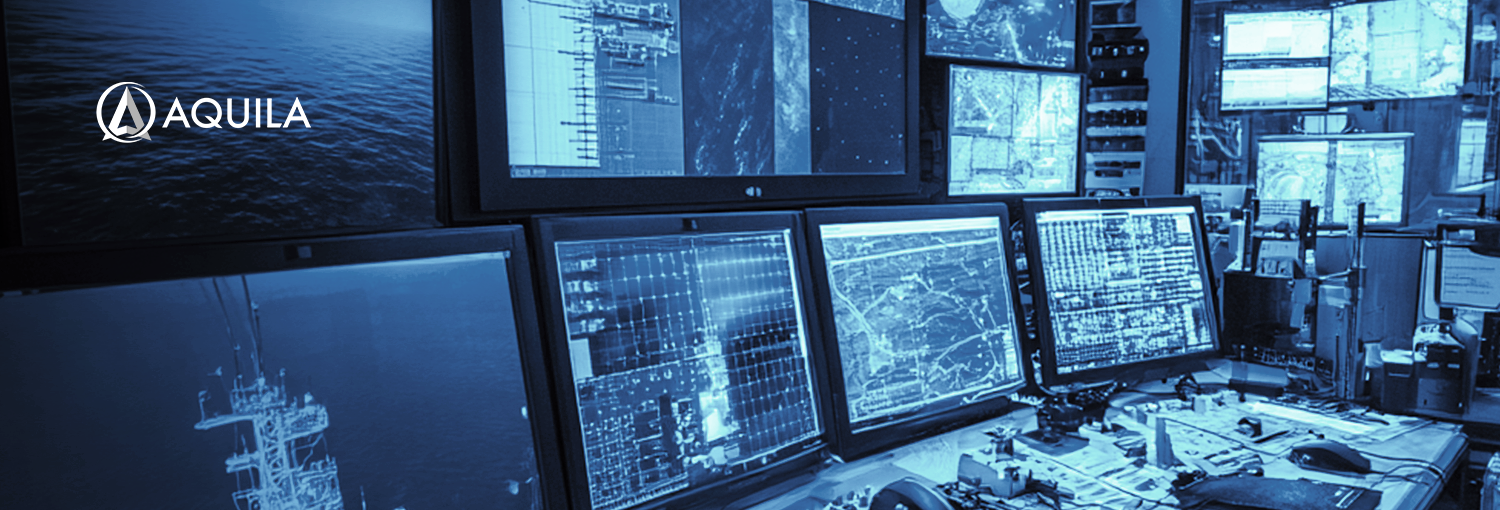
1. The Role of a 24/7 RTOC in Offshore Operations
Offshore operations operate continuously. Drilling, well integrity activities, BOP testing, and production monitoring do not pause — and neither does operational oversight. Aquila’s Real-Time Operational Center is structured to support this rhythm by providing continuous visibility and engineering support across assets and time zones.
Through real-time monitoring systems, integrated data pipelines, and engineering workflows, the RTOC enables teams to:
Monitor critical operational parameters in real time
Support offshore crews with engineering analysis and recommendations
Ensure alignment with operational procedures and regulatory requirements
Maintain consistency across rigs, wells, and campaigns
This continuous operational presence strengthens decision-making and reduces uncertainty in high-consequence offshore environments.
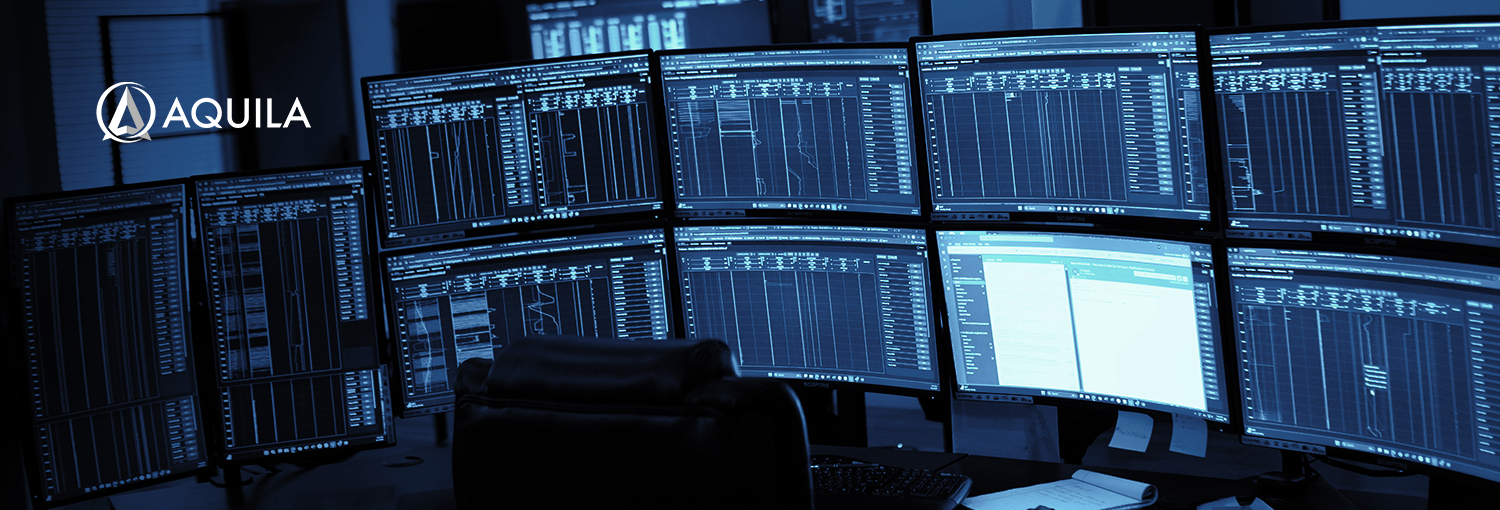
2. Inside Aquila’s RTOC: Technology and Expertise Working Together
What defines Aquila’s RTOC is the combination of advanced digital technology and highly qualified professionals. Engineers, analysts, and operational specialists work side by side, using real-time data to support offshore execution with precision and confidence.
Key capabilities of Aquila’s RTOC include:
Real-time monitoring of drilling and well operations
Digital BOP testing support, including pressure testing and data analysis
Integration of operational data with engineering models and historical context
Structured workflows that support consistency and auditability
Rather than operating in isolation, the RTOC is closely connected to offshore teams, acting as an extension of the rig — providing clarity, validation, and technical support when it matters most.

3. Supporting Offshore Teams Through Digital Assurance
In offshore operations, visibility alone is not enough. Teams need confidence that systems, equipment, and processes are performing as expected. Aquila’s RTOC supports this by moving beyond basic monitoring toward operational assurance.
By combining real-time data with engineering context, the RTOC helps:
Validate operational conditions during critical activities
Support BOP pressure testing and well integrity processes
Identify deviations early and support timely corrective actions
Ensure consistent execution across multiple assets and campaigns
This approach reinforces operational discipline while supporting offshore crews with reliable, actionable insights.
Conclusion
Aquila’s Real-Time Operational Center reflects how offshore operations work today: connected, data-driven, and highly collaborative. It is an environment where technology supports people — not the other way around — and where engineering expertise is amplified by digital systems.
By operating 24/7, Aquila’s RTOC plays a central role in supporting offshore safety, efficiency, and compliance. It brings together real-time monitoring, digital workflows, and experienced professionals to deliver measurable results across complex offshore operations.
In a sector where every decision counts, the RTOC is where operational confidence is built — continuously, consistently, and in real time.